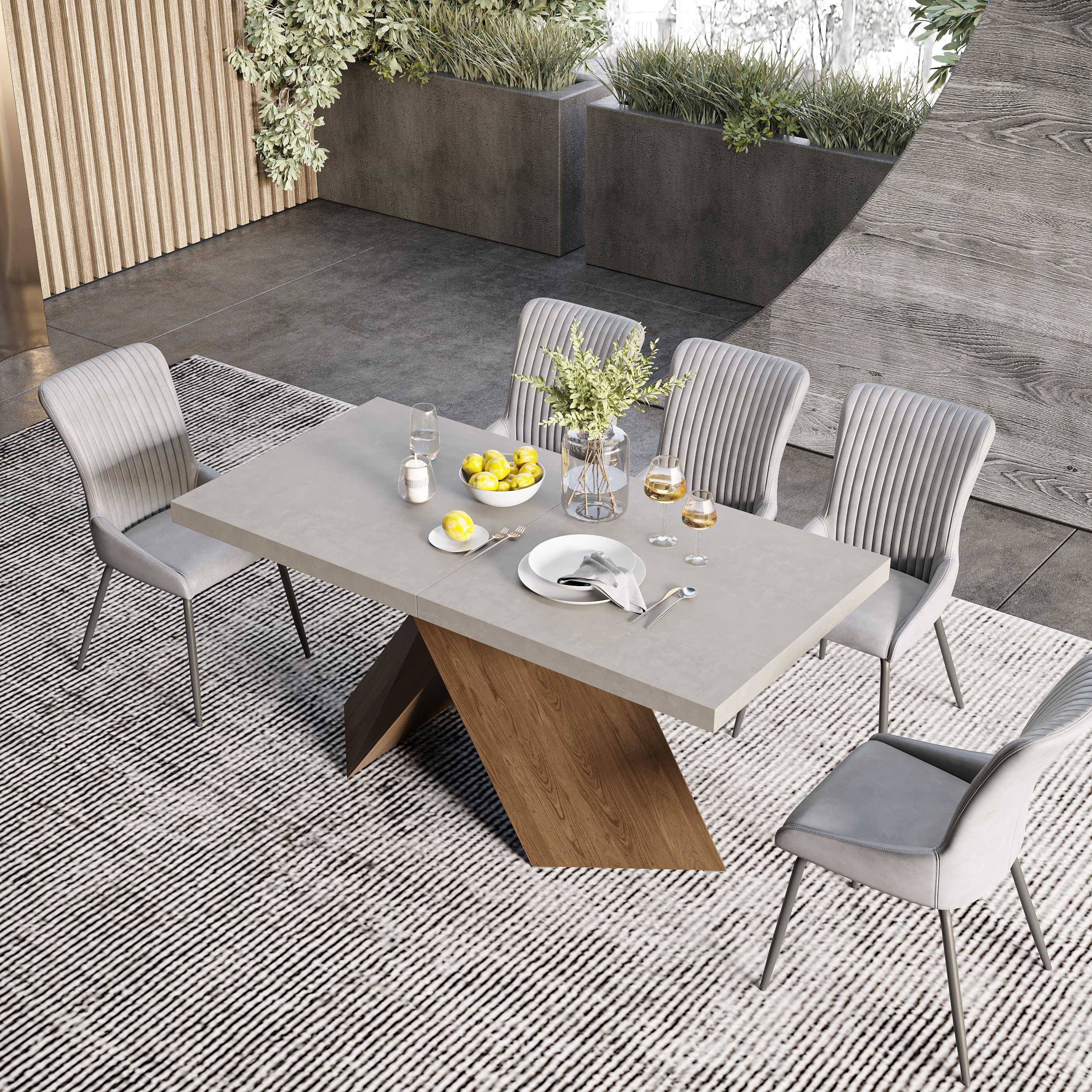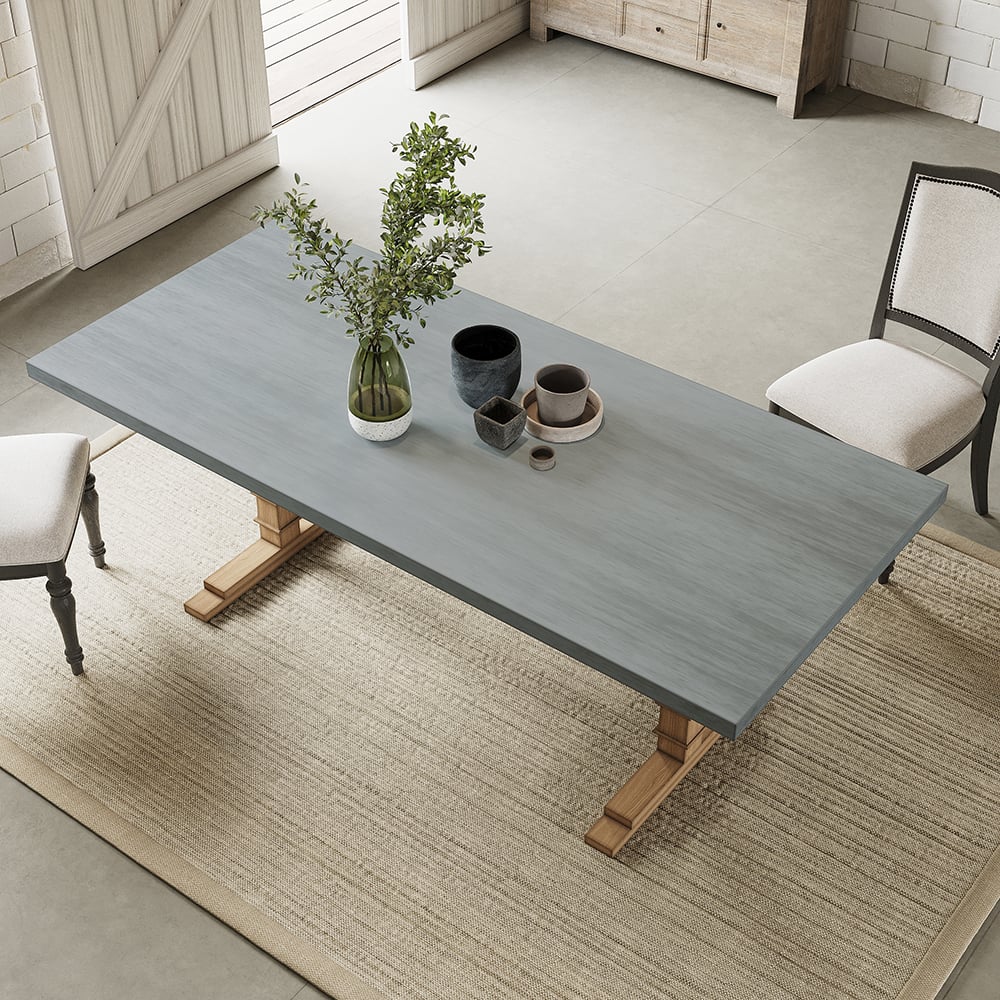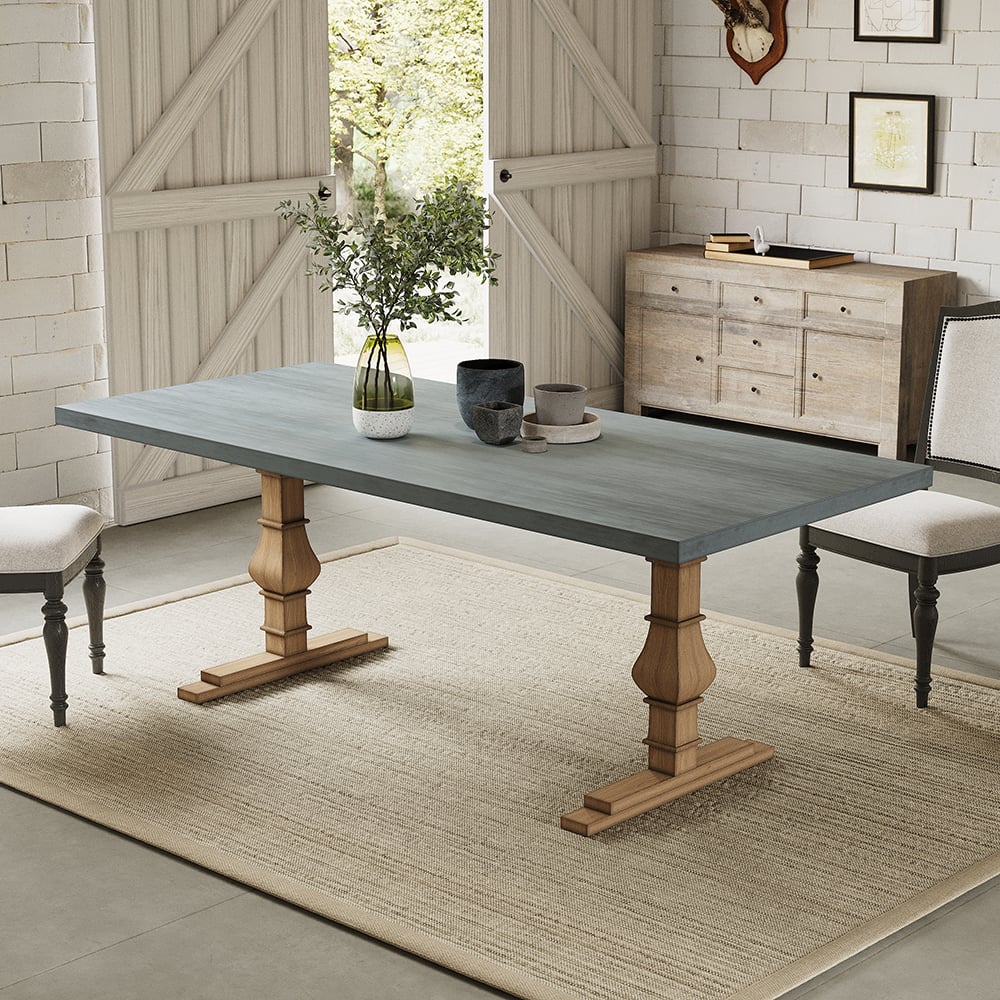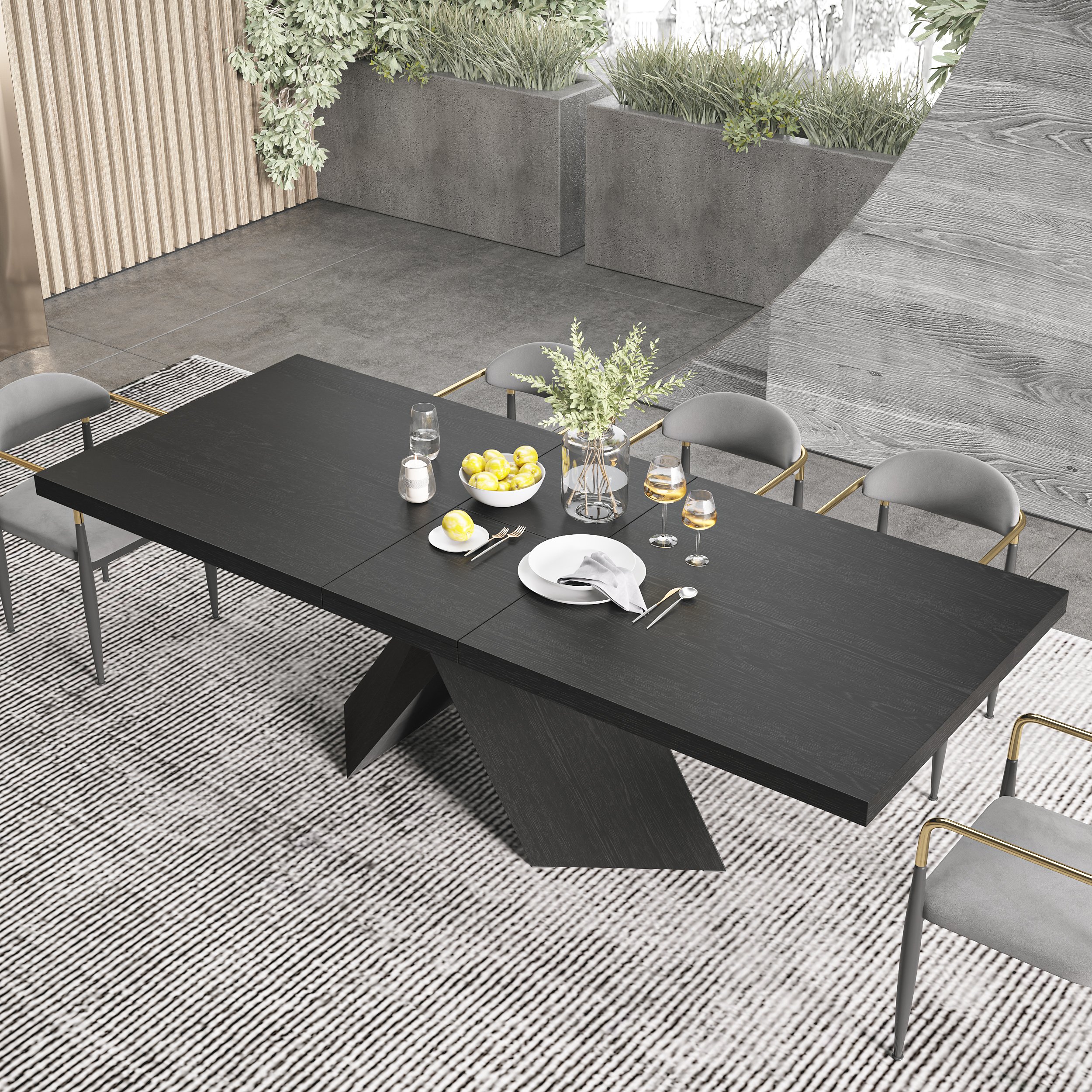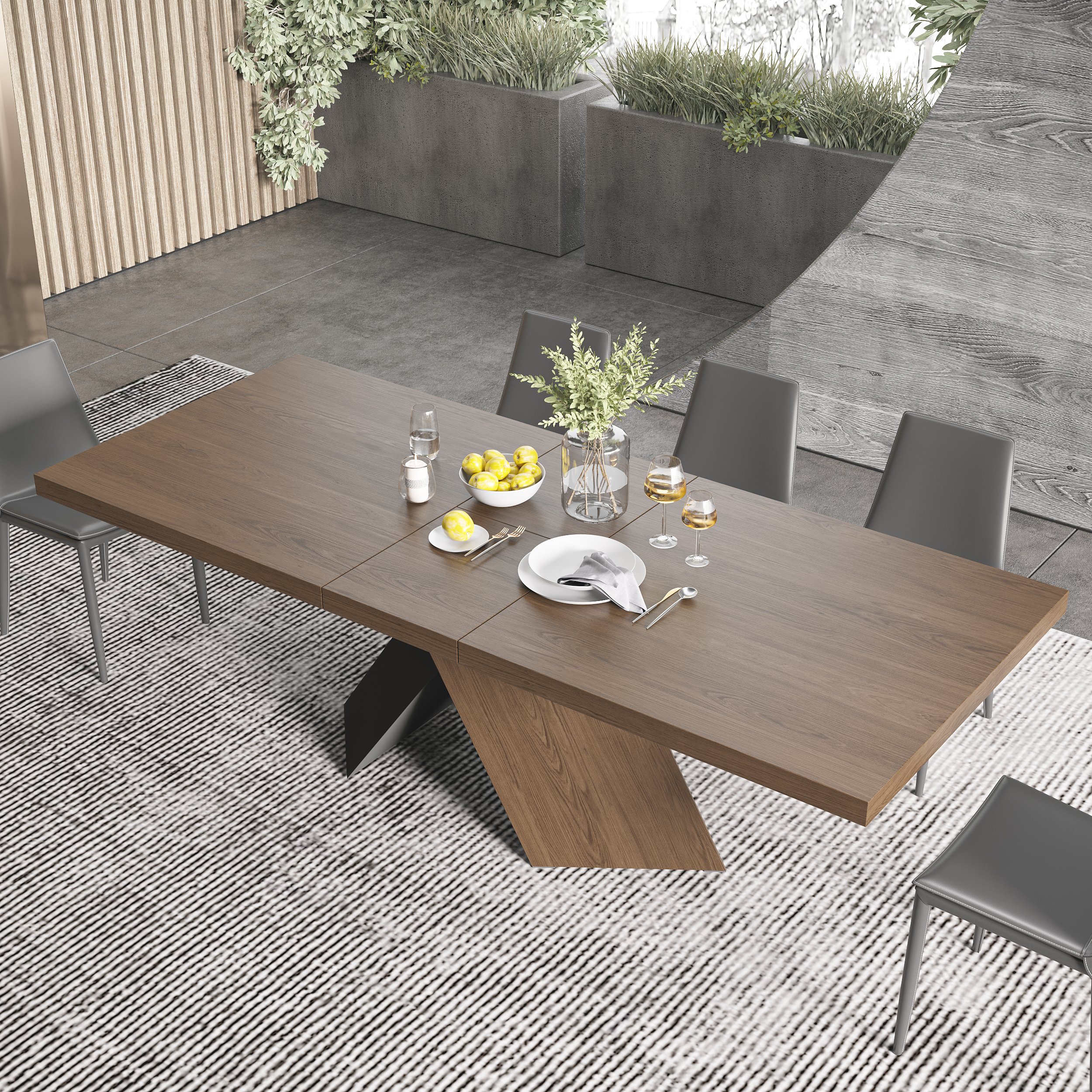
A farmhouse dining table takes a beating. Hot casserole dishes, wine glasses left too long, kids doing homework with markers, someone dragging a chair across the floor without lifting it. Most of the damage people worry about is preventable with a few small habits, and most of the damage that already happened can be fixed without buying a new table.
The short answer: clean a farmhouse dining table daily with a soft, slightly damp cloth and dry it right away, skip harsh chemical cleaners, use coasters and placemats to block heat and moisture, and treat water rings, scratches, and wobbly legs as separate small repairs rather than one big refinishing project. Painted or whitewashed finishes, natural stained wood, and reclaimed wood each need slightly different handling, which matters more than most cleaning guides mention.
Daily Cleaning: Keep It Simple
The biggest mistake is over-cleaning. A farmhouse table does not need a full scrub every day, just consistent light care.
- Wipe up crumbs and dust with a soft microfiber cloth. Skip feather dusters, since the quill can scratch a finish over time.
- For everyday messes, dampen a cloth with distilled water (tap water can leave mineral spots) and wipe with the grain, not against it.
- Dry the surface immediately with a second dry cloth. Water sitting on wood, even for ten minutes, is how rings and dull spots start.
- Never spray cleaner straight onto the tabletop. Spray it on the cloth first so it does not pool in seams or edges.
Avoid all-purpose sprays, bleach-based cleaners, ammonia, and vinegar-heavy solutions. These strip or cloud the topcoat on solid wood and can react badly with paint or whitewash finishes. If you need something beyond water, a few drops of mild dish soap in warm water is enough for most spills.
Protecting the Finish
Prevention does more for a farmhouse table than any cleaning product. A few habits keep the surface looking new for years.
- Use placemats, trivets, and coasters. Hot pans and cold glasses both cause damage, heat can soften finish and moisture seeps in around condensation rings.
- Add felt pads under centerpieces, lamps, and decor. Anything sitting on the table full time (a fruit bowl, a vase, a runner holder) can trap moisture or grind grit into the finish if it is ever slid around.
- Keep the table out of direct sunlight. UV exposure fades and dries out wood over months, and it fades unevenly if a runner or placemat blocks part of the surface. If the table sits near a window, rotate table runners occasionally or use a sheer curtain to cut direct rays during peak afternoon sun.
- Watch humidity swings. Solid wood expands and contracts with the seasons. A steady indoor humidity range (roughly 35 to 45 percent) helps prevent the cracking and gapping that shows up most in winter when heaters dry out the air.
Fixing Common Problems
Most table damage falls into a handful of categories, and each has a specific fix rather than a one-size-fits-all polish.
Water rings. These form when moisture gets trapped in the finish, not the wood itself, so they are usually fixable. Lay a clean cloth over the ring and run a warm (not hot) iron over it for a few seconds at a time, checking often. Alternatively, a small dab of non-gel toothpaste or a paste of baking soda and water, rubbed gently in the direction of the grain, can lift lighter rings. Wipe clean and let the wood dry fully before judging the result.
Scratches. Light surface scratches on stained wood often respond to a walnut, cut in half and rubbed over the mark. The natural oils in the nut darken the scratch enough to blend it in. Deeper scratches that reach bare wood need a matching wood touch-up marker or a small amount of wood filler followed by stain.
Wobbly legs. This is almost always loose hardware, not a structural problem. Flip the table (or reach underneath) and check the bolts or screws connecting the legs to the apron. Tighten with the correct hex key or screwdriver. If a screw hole has worn out and spins freely, pack it with a few wood toothpicks and wood glue, let it dry, then reinsert the screw.
Minor dents. A damp cloth and a warm iron (same technique as water rings) can swell compressed wood fibers back up in many cases. For deeper dents, a few drops of water left to sit for an hour, then blotted, often raises the wood enough that it is barely visible.
Painted, Natural Stained, and Reclaimed Wood: Different Care Needs
Not every farmhouse table finish behaves the same way, and treating them all identically is how people accidentally damage a good table.
| Finish type | What to watch for | Best care approach |
|---|---|---|
| Painted or whitewashed | Chipping at edges and corners, visible scuffs since light colors show marks | Dust and damp-wipe only, avoid abrasive scrubbing, touch up chips with matching paint pen rather than sanding the whole top |
| Natural stained wood | Fading from sun, water rings, scratches showing bare wood | Regular dusting, occasional conditioning oil or furniture polish, coasters and placemats are non-negotiable |
| Reclaimed wood | Uneven texture holds dust and grime in grain lines, nail holes or gaps are part of the design (not damage) | Clean with a soft brush plus damp cloth to reach into grain, avoid heavy sanding since character marks are the point, re-oil exposed areas yearly |

A whitewashed piece like the Homary Farmhouse 79 to 94 inch Extendable Whitewash Dining Table) (rated 4.8 from 55 reviews) needs gentler handling than a solid walnut table, since the whitewash sits closer to the surface and shows scuffs faster than a deep stain does. A dark walnut option like Homary’s extendable walnut farmhouse tables hides minor wear better but shows dust and water spots more visibly against the darker tone.
For conditioning natural and reclaimed wood, look for a product labeled specifically as a wood conditioner or furniture polish rather than a generic spray. Howard Products’ Feed-N-Wax, a beeswax and orange oil blend, is a commonly recommended option among furniture care guides for feeding dry wood without leaving a sticky film. Apply it sparingly, a few times a year is plenty, and always test on a hidden spot first.
When to Refinish vs. Just Touch Up
Refinishing means stripping the old finish and starting over. Touching up means addressing a specific mark without redoing the whole surface. Most tables never need a full refinish.
Reach for a touch-up when:
- The damage is limited to one or two spots (a ring, a scratch, a small dent)
- The rest of the finish still looks even and intact
- The table is less than 8 to 10 years old with normal daily use
Consider a full refinish when:
- Multiple areas across the tabletop show worn-through finish or bare wood
- The color has faded unevenly across large sections from sun exposure
- Sanding reveals the damage goes deeper than the topcoat
- You are changing the look entirely (going from stained to painted, for example)
A full refinish is a weekend project at minimum and often costs more in time than a touch-up marker and a bottle of conditioner. Try the smaller fix first. It solves the vast majority of farmhouse table complaints without ever touching sandpaper.
Key Takeaways
- Daily care is simple: a damp cloth, dry it fast, skip harsh chemicals.
- Prevention (coasters, placemats, felt pads, keeping the table out of direct sun) prevents more damage than any product fixes after the fact.
- Water rings, scratches, and wobbly legs are separate small repairs, not signs the table is failing.
- Match your care routine to the finish. Painted and whitewashed tables need gentler handling than natural stain, and reclaimed wood’s texture is part of its design, not damage to sand away.
If your farmhouse table is starting to show its age, a proper cleaning and conditioning routine this weekend will likely solve more than you expect before you ever consider refinishing it.
FAQ
How often should I clean my farmhouse dining table? A quick wipe after each meal is enough for crumbs and light spills. A more thorough clean with mild soap and water once a week keeps grime from building up in the finish, and conditioning oil a few times a year keeps the wood from drying out.
Can I use Murphy Oil Soap on a farmhouse table? Murphy Oil Soap is generally safe on sealed, finished wood in small diluted amounts, but it can leave residue or dull certain finishes over repeated use. Test on a hidden spot first, and a simple water and mild dish soap mix is usually the safer everyday choice.
Why does my table have white spots after wiping it? White or cloudy spots usually mean moisture got trapped in the finish rather than the wood itself. The iron-and-cloth method or a light rub with baking soda paste typically clears them.
Is it bad to put a farmhouse table near a window? Direct sunlight fades and dries out wood finishes over time, especially with dark stains. It is fine to have a table near a window as long as it is not in a direct sun path for several hours a day, or you use curtains to filter the light during peak sun.
Do reclaimed wood tables need more maintenance than new wood tables? Reclaimed wood generally needs about the same cleaning routine, but the grain is often rougher and holds more dust, so it benefits from a soft brush during cleaning. It also tends to need conditioning oil more regularly since older wood dries out faster.
What causes a farmhouse table to wobble? Wobbling almost always comes from loose bolts or screws where the legs meet the base or apron, not a crack in the wood itself. Tightening the hardware with the correct tool fixes the vast majority of wobble complaints.
Can I use furniture polish with silicone on a wood dining table? Avoid silicone-based polishes on solid wood tables. They build up a film over time that is hard to remove and can interfere with future refinishing or touch-up work. A beeswax or natural oil-based conditioner is the safer long-term choice.
How do I get scratches out of a whitewashed or painted table? Since paint and whitewash sit on the surface rather than soaking into the grain, a walnut trick will not help. A matching paint touch-up pen or a small artist’s brush with matched paint works best for chips and scratches on painted finishes.
Should I use a tablecloth to protect my farmhouse table all the time? A tablecloth is not required daily, and covering solid wood constantly can actually trap moisture underneath if anything spills, so make sure it stays dry underneath. Placemats and coasters usually offer better protection during regular meals since they let the wood breathe.
When is it time to refinish instead of touch up a farmhouse table? If the damage is limited to a few spots and the rest of the surface is even, a touch-up marker or wood filler is usually enough. Refinish only when the finish is worn through in multiple places, faded unevenly across large areas, or you want to change the color entirely.