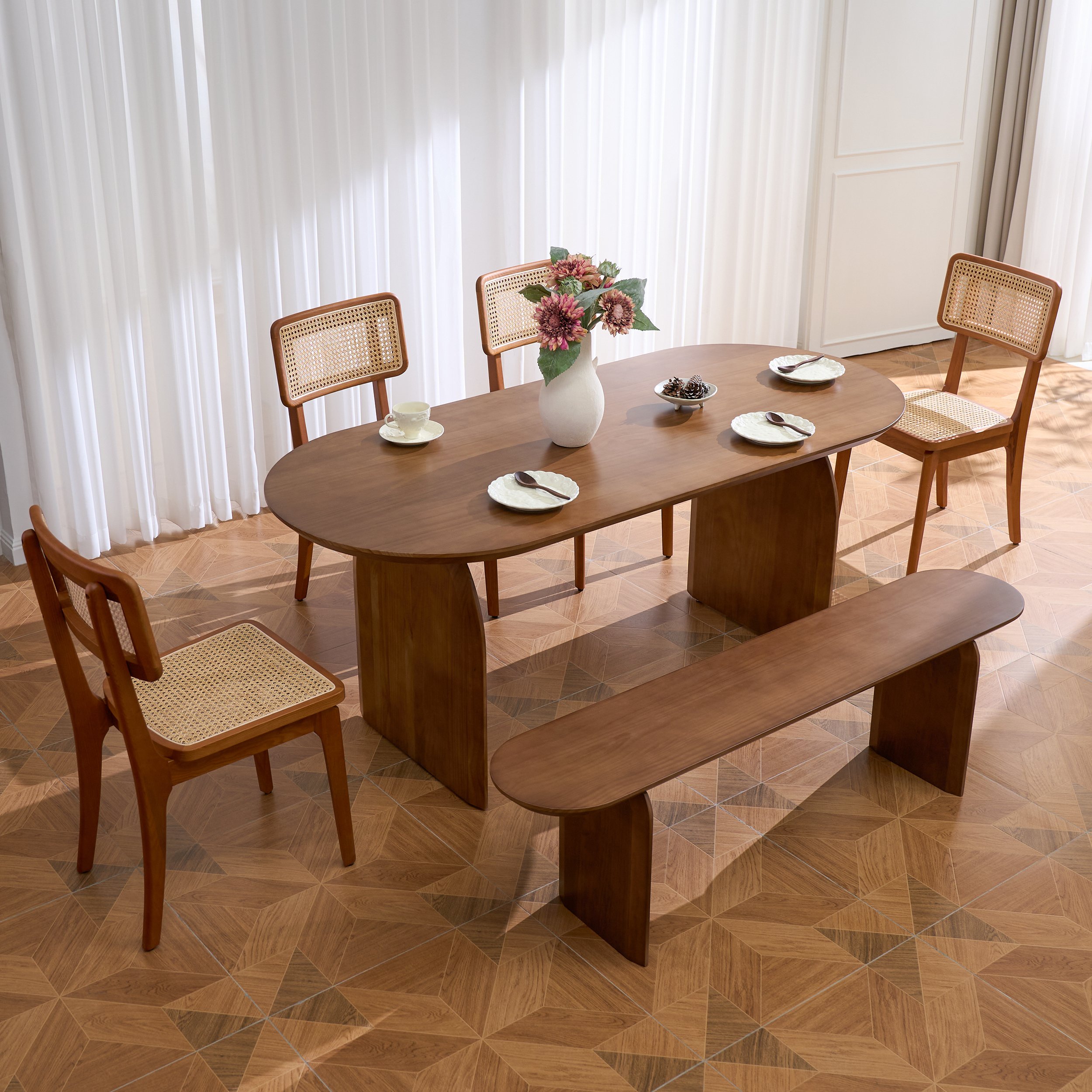
You pinned a Pottery Barn farmhouse table to your mood board, then checked the price tag and closed the laptop for a week. That’s a common pattern for anyone shopping this style. The tables look great in the catalog photos, but the price point isn’t for everyone, and a lot of shoppers just want to see what else is out there before they commit.
Pottery Barn’s farmhouse dining tables are known for chunky trestle or pedestal bases, planked or extendable tabletops, and finishes like seadrift, gray wash, or rustic mahogany, sold at premium retail prices that reflect their brand positioning and design services. Shoppers looking for the same aesthetic at a lower entry point often compare Pottery Barn against direct-to-consumer furniture brands like Homary, which sell similar farmhouse and pedestal-style tables in solid wood construction.
This guide breaks down what actually defines the Pottery Barn farmhouse look, and shows real alternatives worth comparing before you buy.
What Makes a Pottery Barn Farmhouse Table Look Like a Pottery Barn Table
Pottery Barn didn’t invent the farmhouse table, but their catalog made it a recognizable style. A few design details repeat across their farmhouse and modern farmhouse lines:
- Trestle or double pedestal bases. Instead of four individual legs, the table stands on a solid center support, which is a hallmark of the farmhouse and rustic look.
- Extendable tops. Many of their farmhouse tables use leaf inserts, so a table can grow from around 76 inches to well over 100 inches for gatherings.
- Planked wood tabletops. The tops show visible wood grain and seams, mimicking the look of an old farm table built from separate boards.
- Neutral, weathered finishes. Seadrift, fog gray, and warm brown tones dominate the line, designed to look worn in rather than brand new.
As of this writing, Pottery Barn’s own site lists farmhouse-style dining tables ranging from about $1,799 for the Rustic Farmhouse Extendable Dining Table up to around $2,499 for pieces like the Modern Farmhouse Extendable Dining Table and the Heritage Farmhouse Pedestal Extendable Dining Table. Pottery Barn is a premium home retailer, and prices reflect that positioning, along with in-home delivery, white-glove assembly options, and access to their design services. Prices and availability change often, so always check potterybarn.com directly for current numbers before you shop.
Why Shoppers Look for Alternatives
There’s nothing wrong with the Pottery Barn look. Plenty of people buy from Pottery Barn and love the table for years. But if you’re comparing options, here’s what usually drives the search:
- Budget. A $2,000+ table is a big line item, especially if you still need chairs, a rug, and lighting for the same room.
- Style overlap exists elsewhere. Trestle bases, planked tops, and farmhouse finishes aren’t exclusive to one retailer. Other furniture brands build tables with the same design language.
- Shipping and lead times. Custom or made-to-order pieces at any retailer can take weeks to arrive, so shoppers compare in-stock options too.
Real Homary Alternatives in a Similar Style
Homary is a furniture retailer that sells solid wood dining tables in farmhouse, pedestal, and Japandi styles, generally at lower price points than premium catalog brands. Here are two verified, currently listed options worth comparing side by side with the Pottery Barn look.
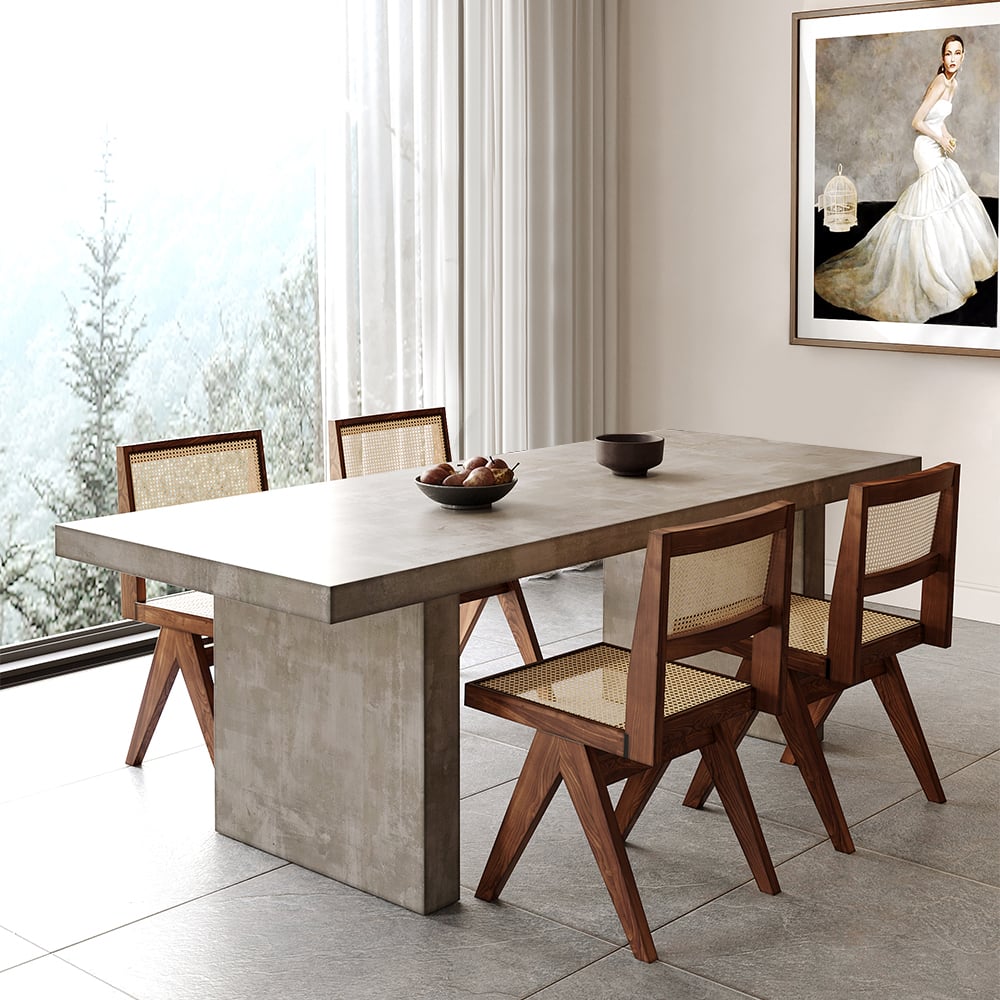
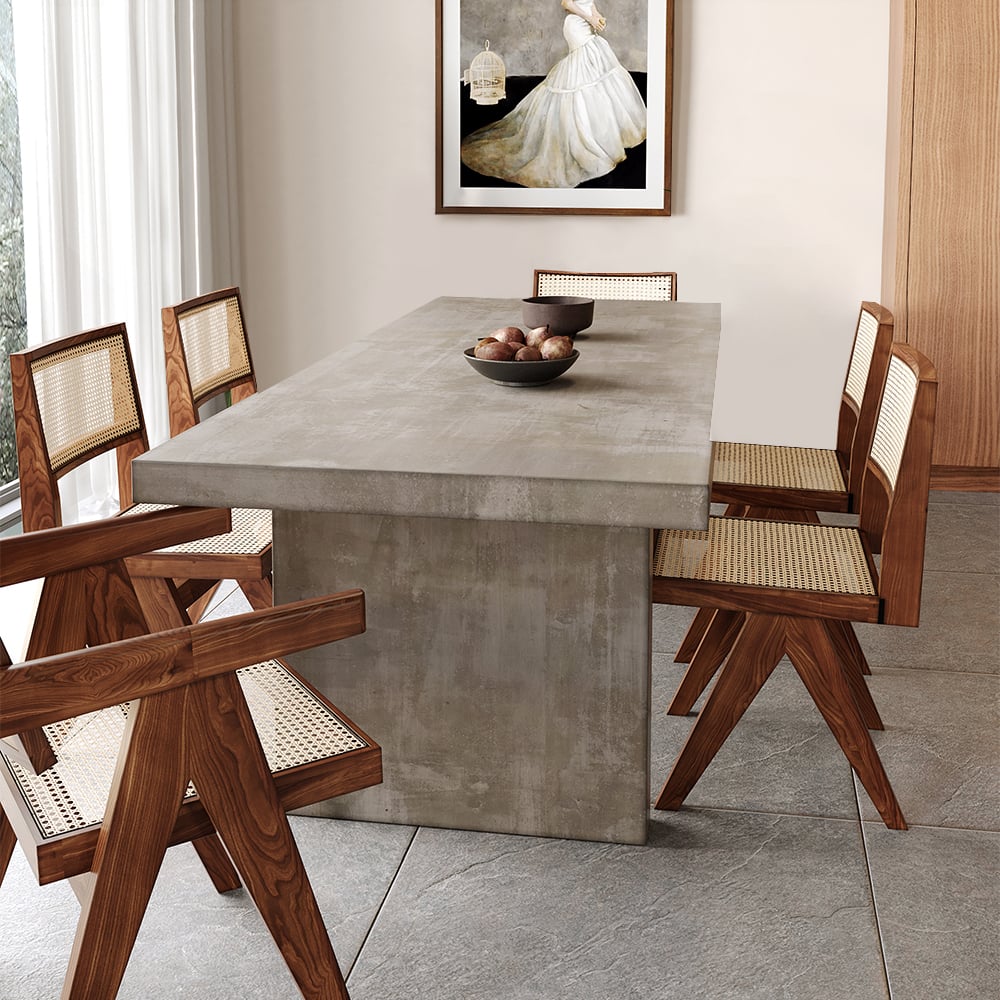
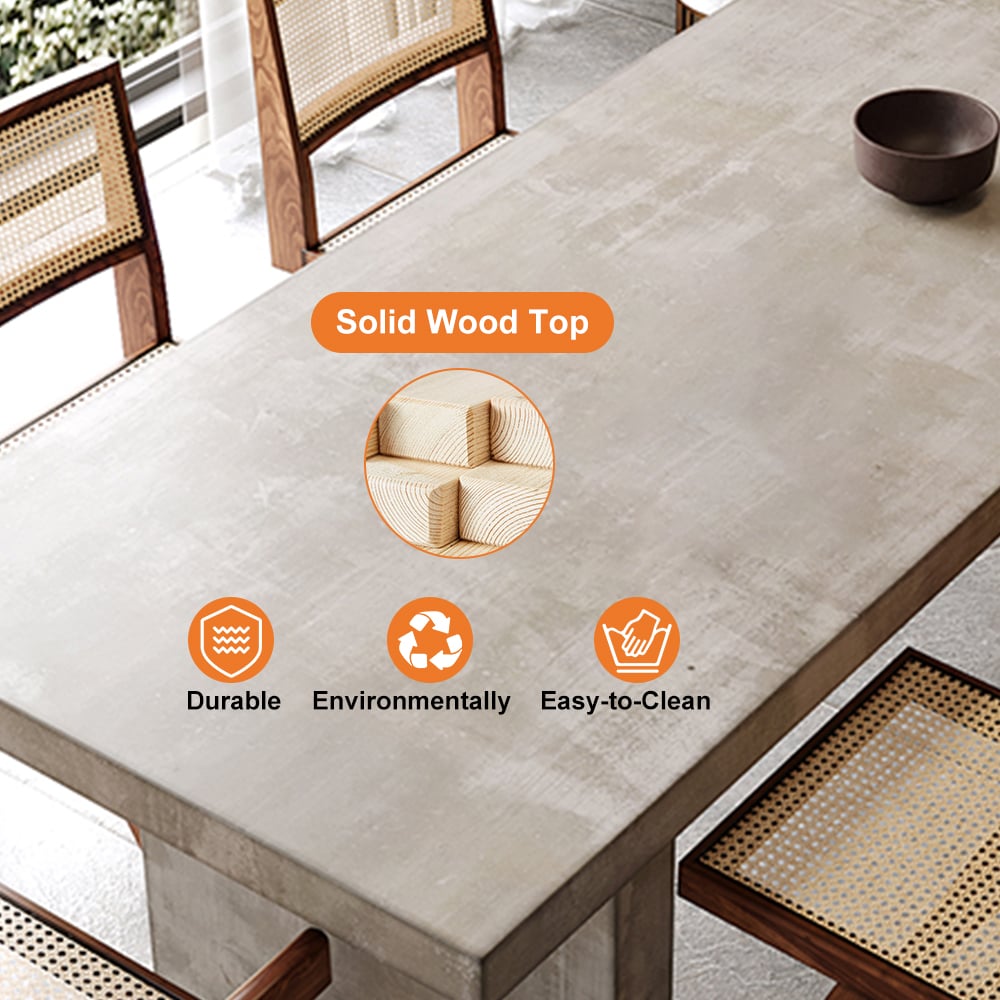
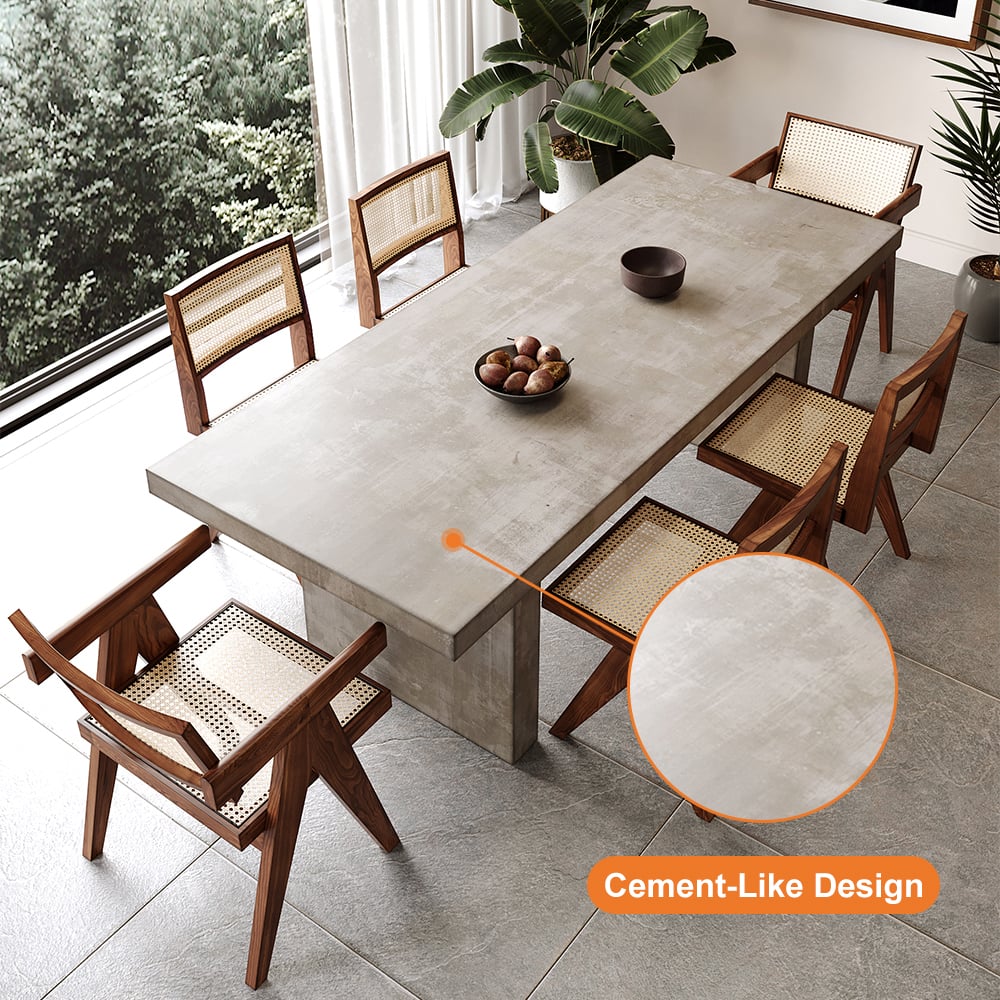
Upoak Series 70.9” Farmhouse Rectangle Wood Dining Table
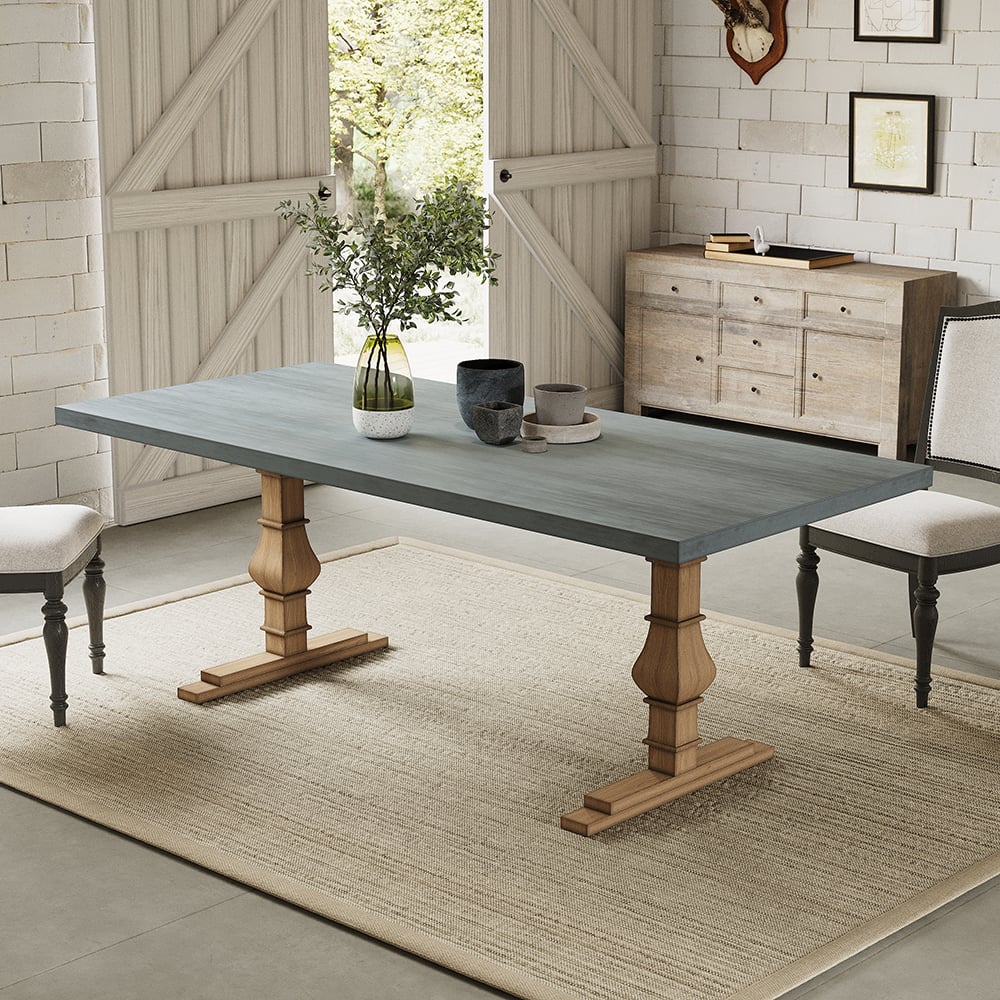
This table leans into the same double pedestal design that shows up across Pottery Barn’s farmhouse and Toscana lines. It’s built from solid wood with a gray finish, seats 4 to 6 people, and currently lists for $1,159.99. It holds a 4.9 star rating from 36 reviews at the time of writing.
- Style: Farmhouse, double pedestal base
- Material: Solid wood, gray finish
- Seating: 4 to 6 people
- Price: $1,159.99
- View the Upoak Series table on Homary
Tintica Series 70.9” Japandi Oval Wood Dining Table
If you like the pedestal base but want something a little softer than a rectangle, this oval table blends farmhouse solidity with a cleaner, Japandi-influenced shape. It’s solid wood, seats 4 to 6, and is currently priced at $759.99, marked down from $1,119.99. It has a 4.8 star rating from 132 reviews.
- Style: Japandi-farmhouse hybrid, oval top, double pedestal base
- Material: Solid wood
- Seating: 4 to 6 people
- Price: $759.99 (was $1,119.99)
- View the Tintica Series table on Homary
Both tables share the pedestal-base construction and solid wood build that define the farmhouse look Pottery Barn is known for, at a lower entry price. If neither shape fits your space, Homary’s full dining table catalog has other pedestal, trestle, and extendable options worth browsing before you decide.
Side-by-Side Comparison
| Feature | Pottery Barn Farmhouse Tables | Homary Upoak Series | Homary Tintica Series |
|---|---|---|---|
| Verified price (at time of writing) | About $1,799 to $2,499 | $1,159.99 | $759.99 (was $1,119.99) |
| Base style | Trestle or pedestal | Double pedestal | Double pedestal |
| Shape | Rectangle, round, oval | Rectangle | Oval |
| Material | Solid wood | Solid wood | Solid wood |
| Seating capacity | 6 to 10, depending on model | 4 to 6 | 4 to 6 |
| Extendable option | Yes, on several models | No | No |
| Customer rating | Varies by product | 4.9 (36 reviews) | 4.8 (132 reviews) |
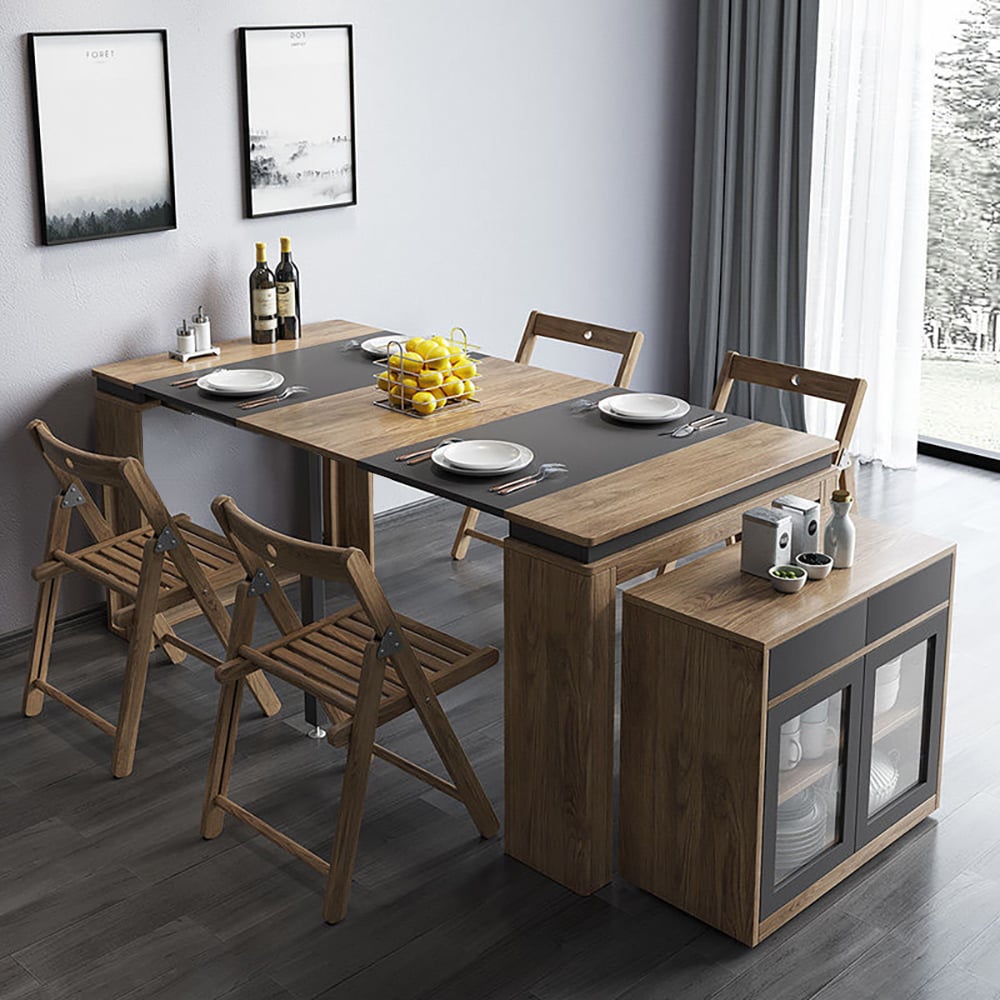
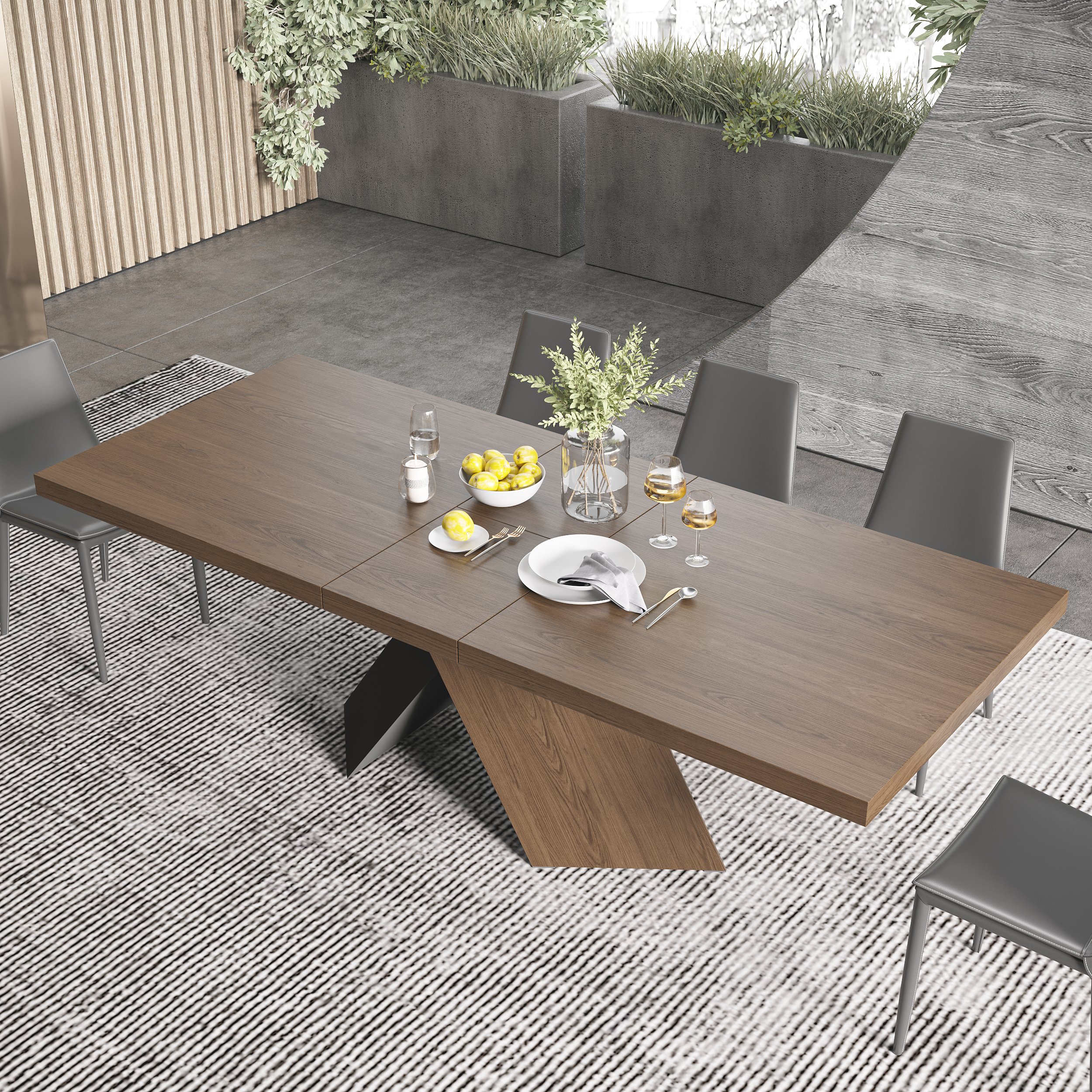
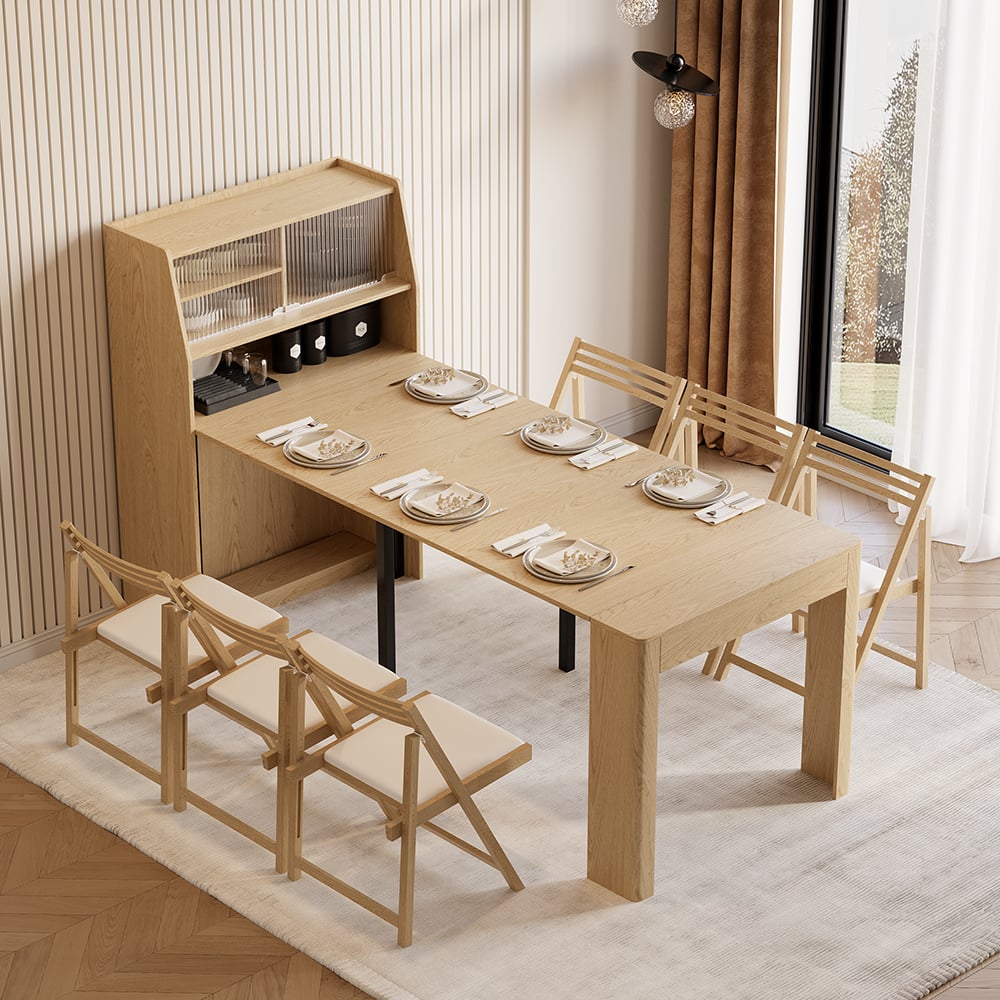
Extendable leaves are one real trade-off. Several Pottery Barn farmhouse tables extend to seat more guests for holidays, while the two Homary tables above are fixed-size. If you regularly host large groups, check Homary’s broader catalog for extendable models, or measure your seating needs against a fixed 70.9 inch table before buying.
How to Decide Between Them
Think through these three questions before you buy either brand:
- How many people do you seat regularly? A fixed 70.9 inch table comfortably seats 4 to 6. If you need to expand for holidays, look for an extendable model regardless of brand.
- What’s your actual budget ceiling? If $2,000+ is comfortable and you value in-home design consultation, Pottery Barn’s service model may be worth it to you. If you want the same visual style closer to $750 to $1,200, a table like the Tintica or Upoak series covers that gap.
- Do you want a warm gray farmhouse look or something closer to Japandi? The Upoak leans classic farmhouse. The Tintica splits the difference between farmhouse and a calmer, more minimal look.
Key Takeaways
- Pottery Barn’s farmhouse dining tables are recognizable for their pedestal or trestle bases, planked wood tops, and neutral weathered finishes, priced at premium levels that reflect their retail positioning and services.
- Homary sells solid wood dining tables with the same design details, including pedestal bases and farmhouse-adjacent finishes, at notably lower price points.
- The Upoak Series ($1,159.99) and Tintica Series ($759.99) are two verified, in-stock examples worth comparing directly.
- Extendable tops are a real feature some Pottery Barn tables have that these two Homary options don’t, so match the table to how often you host larger groups.
If the farmhouse look is what you’re after and the budget needs to stretch further, start by comparing the pedestal base and wood finish on a table like the Upoak or Tintica series against your Pottery Barn shortlist. Measure your space first, since a 70.9 inch table needs a different footprint than an extendable one.
FAQ
What is a farmhouse dining table? A farmhouse dining table is a style built around a solid, sturdy base (often trestle or pedestal) topped with a planked wood surface, usually in a light, gray, or weathered wood finish. The look is meant to evoke old farm tables built for large family meals.
Are Pottery Barn farmhouse tables solid wood? Many of Pottery Barn’s farmhouse dining tables use solid wood construction, though specific materials vary by collection. Always check the individual product page on potterybarn.com for the exact material listed on the table you’re considering.
How much does a Pottery Barn farmhouse dining table cost? At the time of writing, Pottery Barn’s farmhouse dining table collection ranges from about $1,799 to $2,499 depending on size and style, though prices and sales change regularly, so check their site for current numbers.
Is Homary a legitimate furniture company? Yes, Homary is an online furniture retailer that sells dining tables, bedroom furniture, bathroom vanities, and outdoor pieces directly to consumers, with published customer reviews and star ratings on individual product pages.
What’s the difference between a trestle table and a pedestal table? A trestle table uses two or more angled leg supports connected by a horizontal beam, while a pedestal table stands on one or more central columns. Both styles skip the traditional four-corner-leg design and are common in farmhouse furniture.
Do farmhouse dining tables come in extendable sizes? Many do. Extendable farmhouse tables use leaf inserts to grow the tabletop for larger gatherings, then collapse back down for daily use. Not every farmhouse table offers this feature, so check the product specs before buying if seating flexibility matters to you.
What wood finish is closest to the Pottery Barn farmhouse look? Gray wash, seadrift, and light weathered wood finishes are closest to Pottery Barn’s signature farmhouse and modern farmhouse tones. These finishes show visible wood grain while muting the natural warm tone of the wood.
How many people does a 70.9 inch dining table seat? A table around 70.9 inches long typically seats 4 to 6 people comfortably, depending on chair width and whether you’re using benches on one side.
Can I mix a farmhouse table with modern chairs? Yes. Pairing a farmhouse table with simpler modern or Scandinavian-style chairs is a common design choice that keeps the room from feeling too rustic or themed. Mixing eras and materials is a standard interior design approach.
Is it cheaper to buy a farmhouse table online instead of in a store? Online-first furniture retailers often have lower overhead than brands with physical showrooms and design consultation services, which can translate to lower prices for comparable materials and construction. That said, always compare the actual specs (wood type, base construction, dimensions) rather than assuming price alone reflects quality.