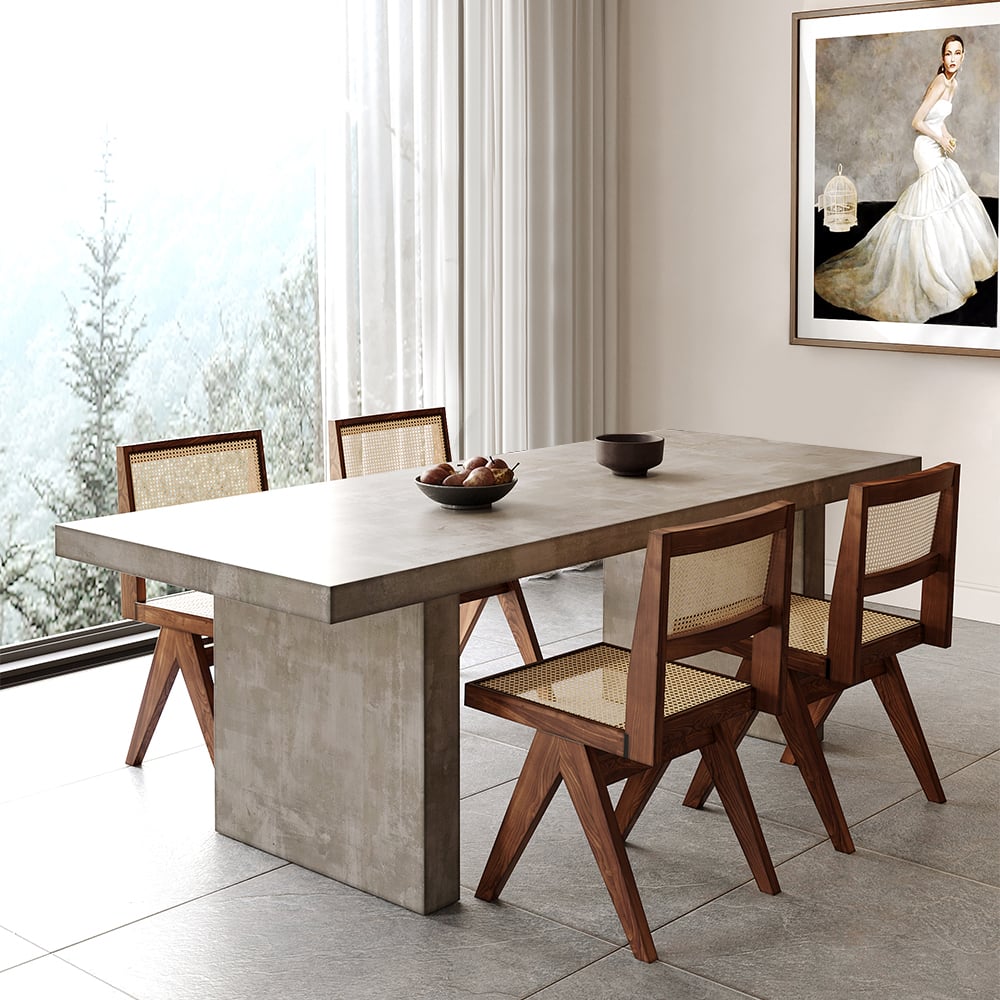
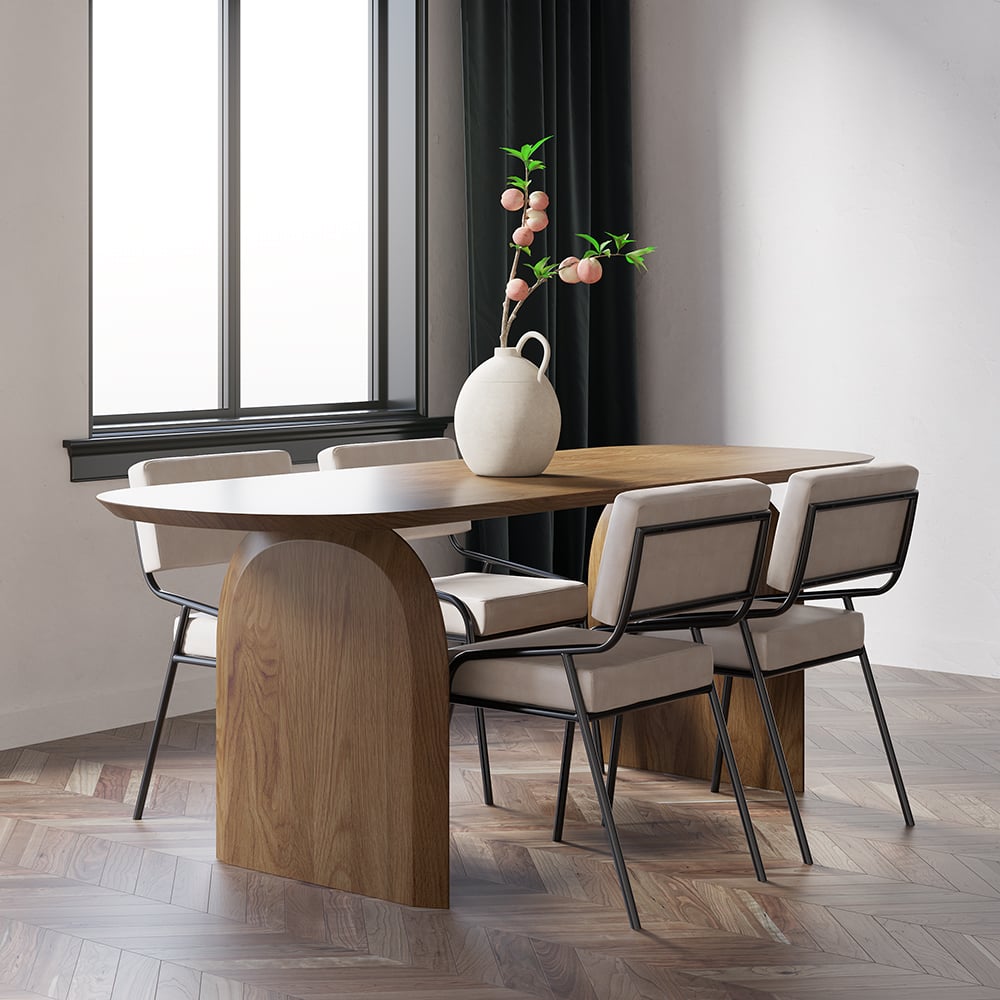
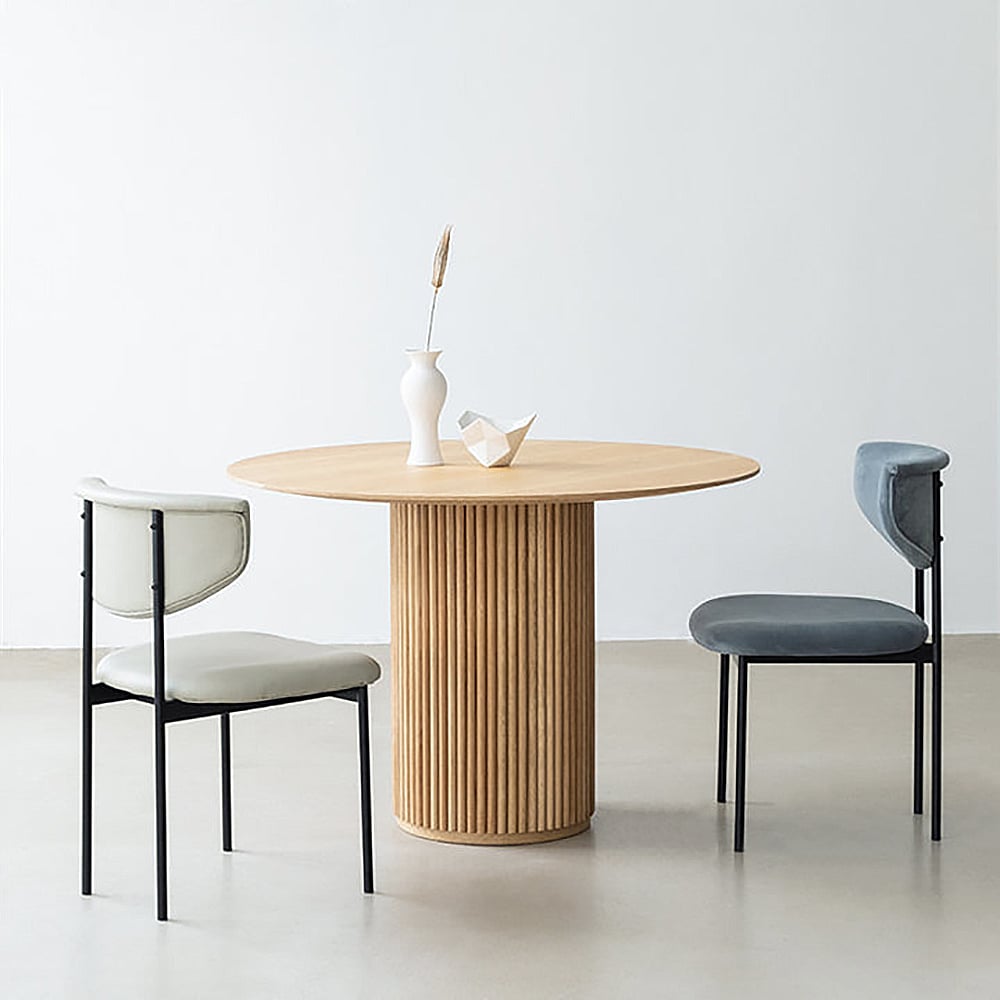
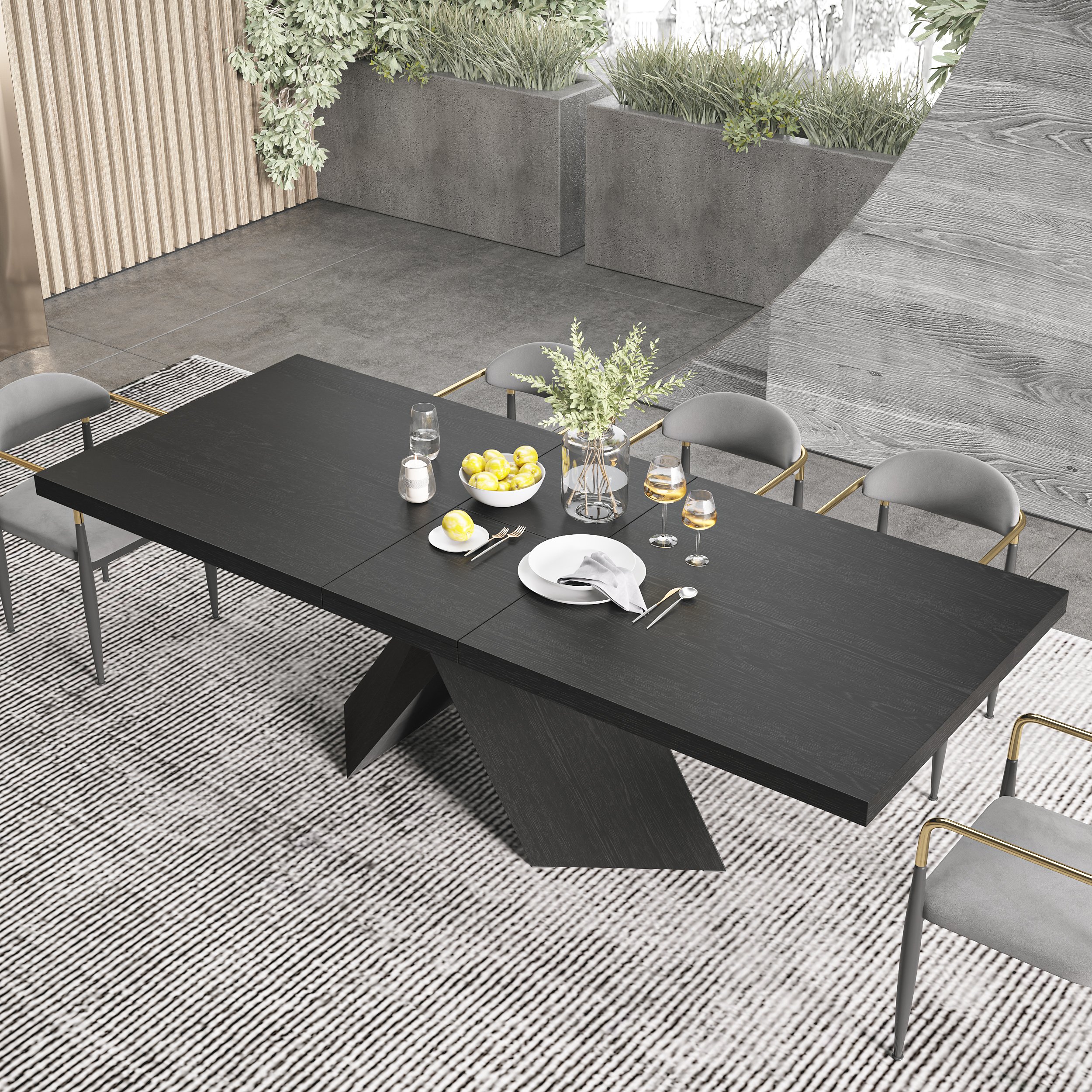
You measured your dining room, picked out a beautiful farmhouse table, and now you’re staring at it wondering if six chairs will actually fit around it without everyone bumping elbows. This is one of the most common snags in dining room planning, and the answer comes down to simple math most people never think to run before they buy.
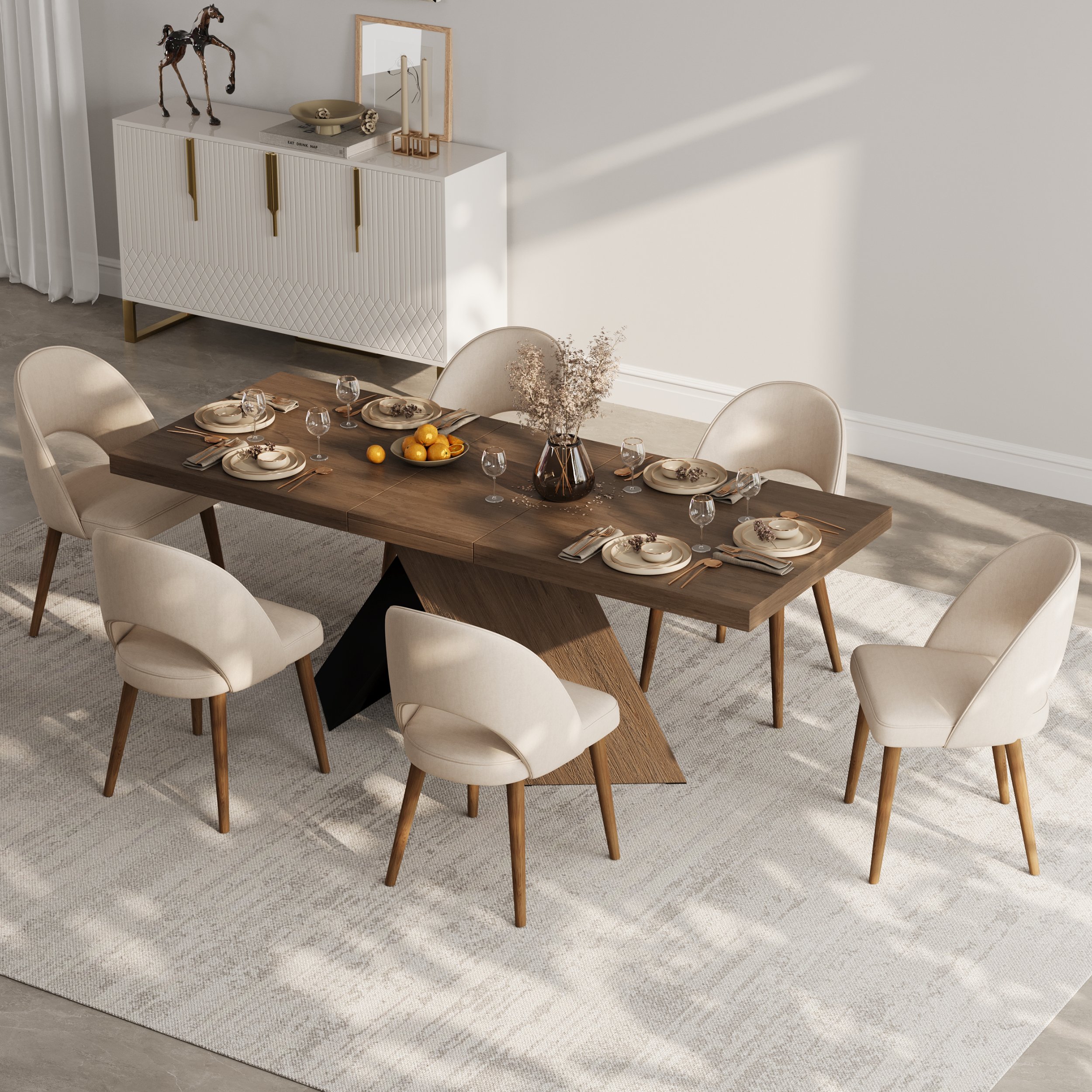
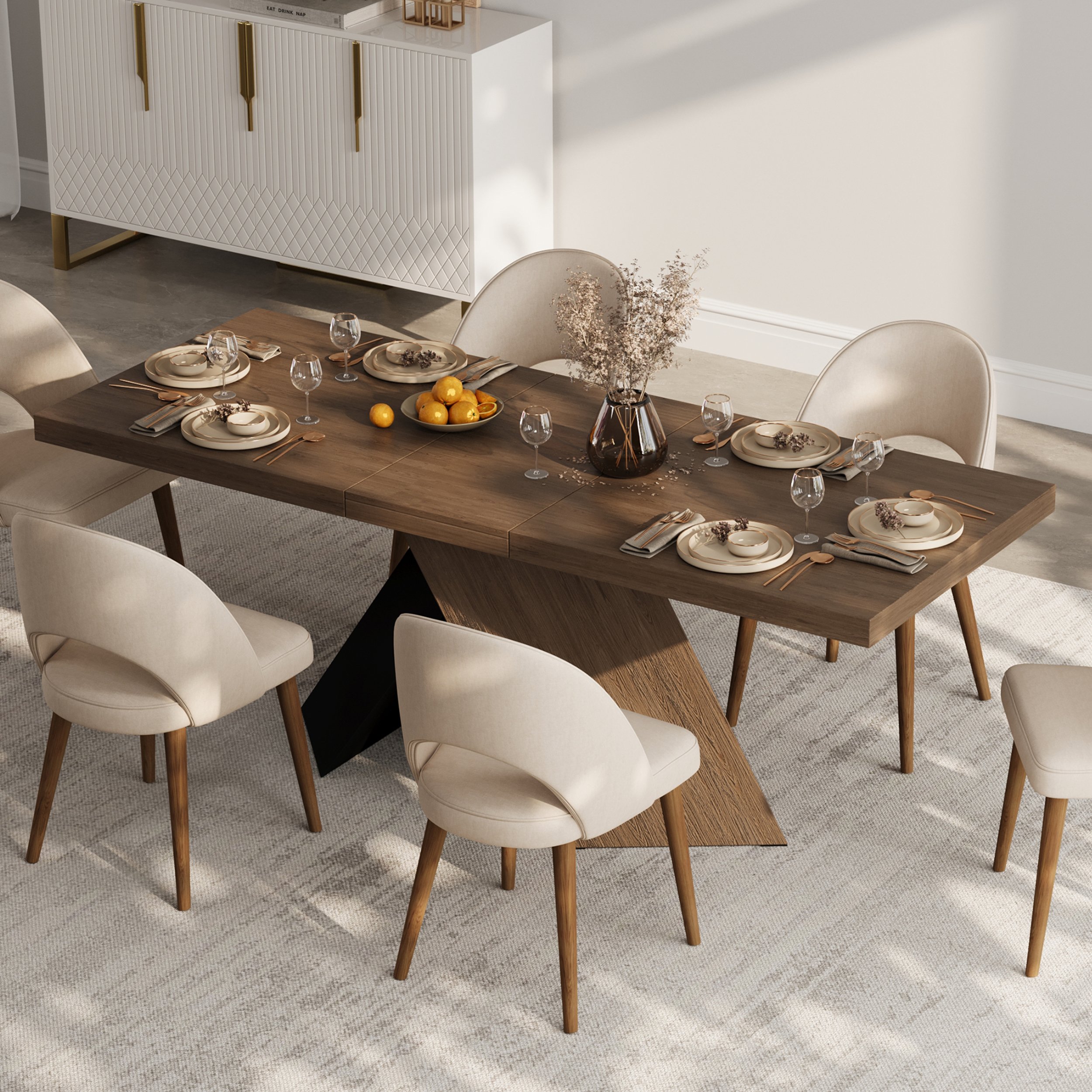
The short answer: most dining tables need 24 to 30 inches of table length per chair, depending on the chair style. A 48 to 60 inch table fits 4 chairs, a 60 to 78 inch table fits 6, a 78 to 96 inch table fits 8, and anything past 96 inches can handle 10 or more. Benches change this math because they don’t need fixed spacing between seats.
That’s the rule in one paragraph. The rest of this guide breaks down why the number changes based on chair type, gives you a full reference table, and covers the bench and corner questions that trip up a lot of shoppers.
The Space-Per-Person Rule, Explained
Furniture designers plan dining seating around a simple unit: how much table edge one person needs to eat comfortably without their elbow in the next person’s plate. For a standard dining chair with no arms, that’s 24 inches.
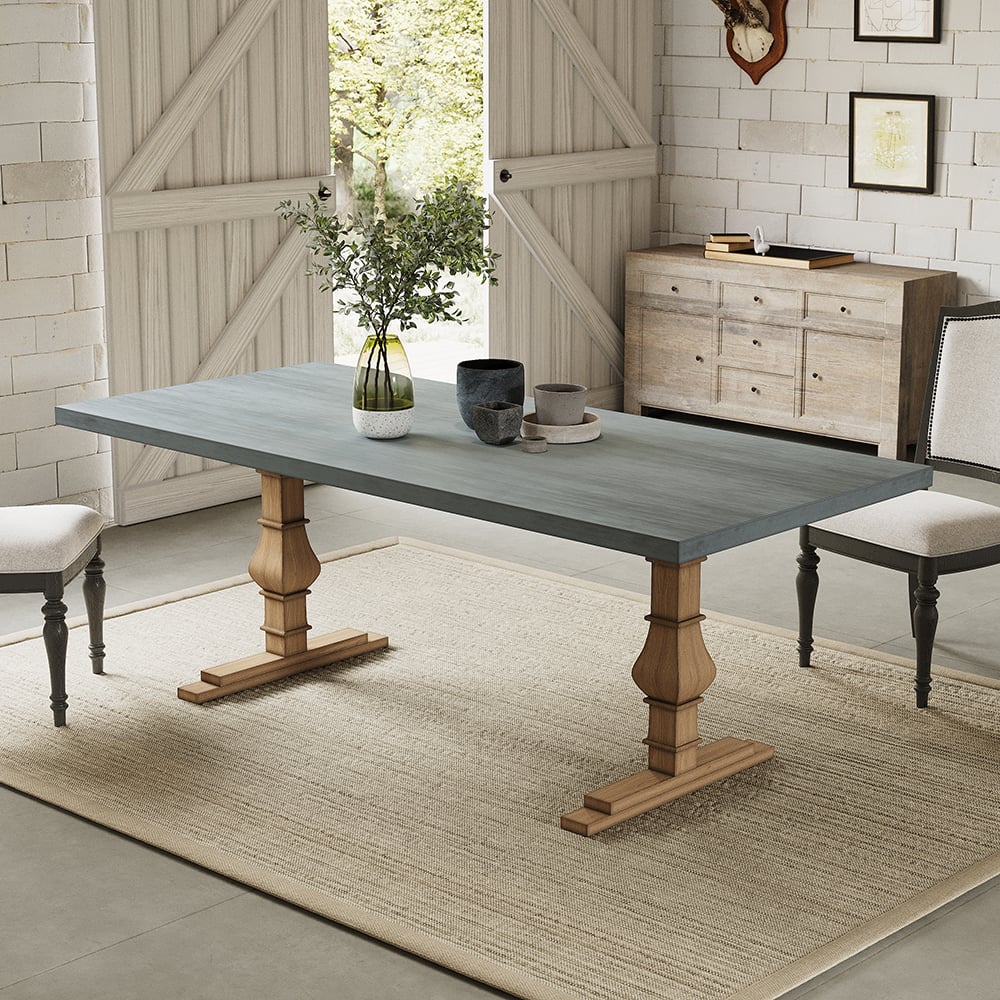
That 24-inch figure is the baseline used across the furniture industry and it’s what we use in our Farmhouse Dining Table Size Guide when mapping table dimensions to seat counts. It assumes a simple wood or upholstered side chair sitting flush against the table edge.
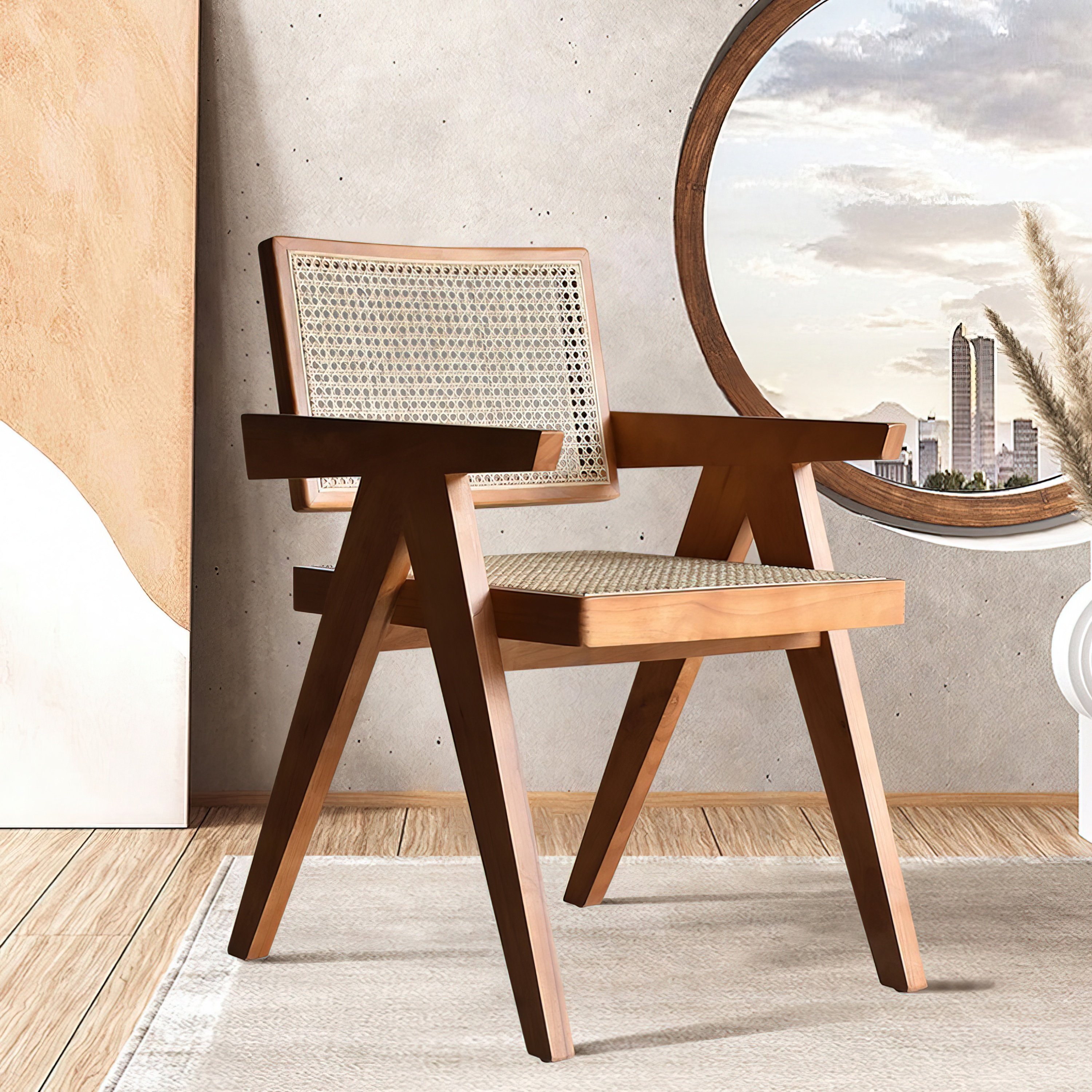
Chairs with arms or thick upholstered backs need more room. Plan on 26 to 30 inches per seat if you’re using armchairs, wingback-style dining chairs, or anything wider than a typical slat-back farmhouse chair. Arms alone can add 2 to 4 inches of width per chair, and that adds up fast around a full table.
So the real formula looks like this:
- Standard chairs (no arms): 24 inches per seat
- Upholstered or wide chairs: 26 to 28 inches per seat
- Chairs with arms: 28 to 30 inches per seat
If you already own chairs, measure the widest point (usually across the arms or the seat cushion) before you assume a table will seat as many people as the marketing photos suggest.
Reference Table: Table Length to Realistic Seat Count
Here’s how that spacing translates into real seat counts for rectangular farmhouse tables, the shape most farmhouse dining sets use.
| Table Length | Seats (Standard Chairs) | Seats (Wide/Armed Chairs) |
|---|---|---|
| 48 to 60 inches | 4 | 4 |
| 60 to 78 inches | 6 | 4 to 6 |
| 78 to 96 inches | 8 | 6 to 8 |
| 96 inches and up | 10 or more | 8 to 10 |
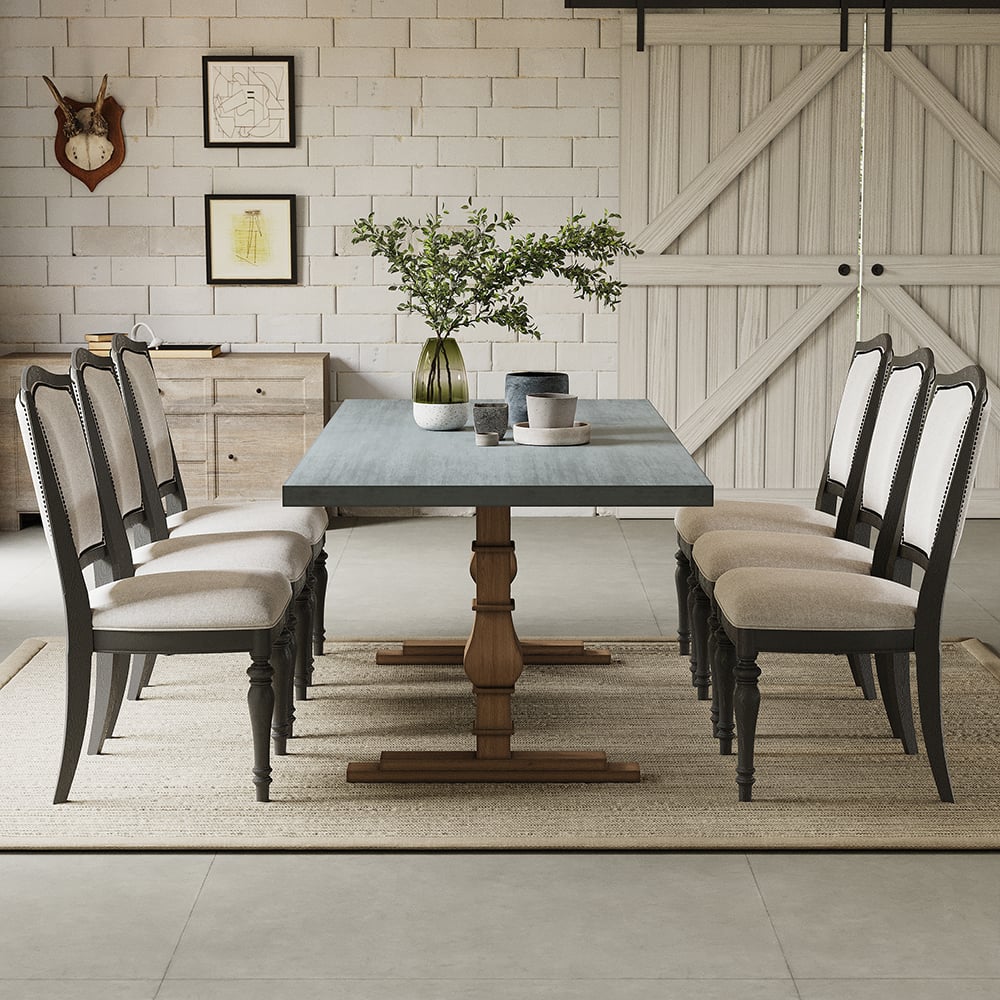
These numbers assume chairs on both long sides plus one at each end. If you’re using armchairs at the ends only (a common farmhouse look, mixing side chairs with a pair of captain’s chairs), you can usually keep the higher seat count in the “standard” column since only two of the seats need the extra clearance.
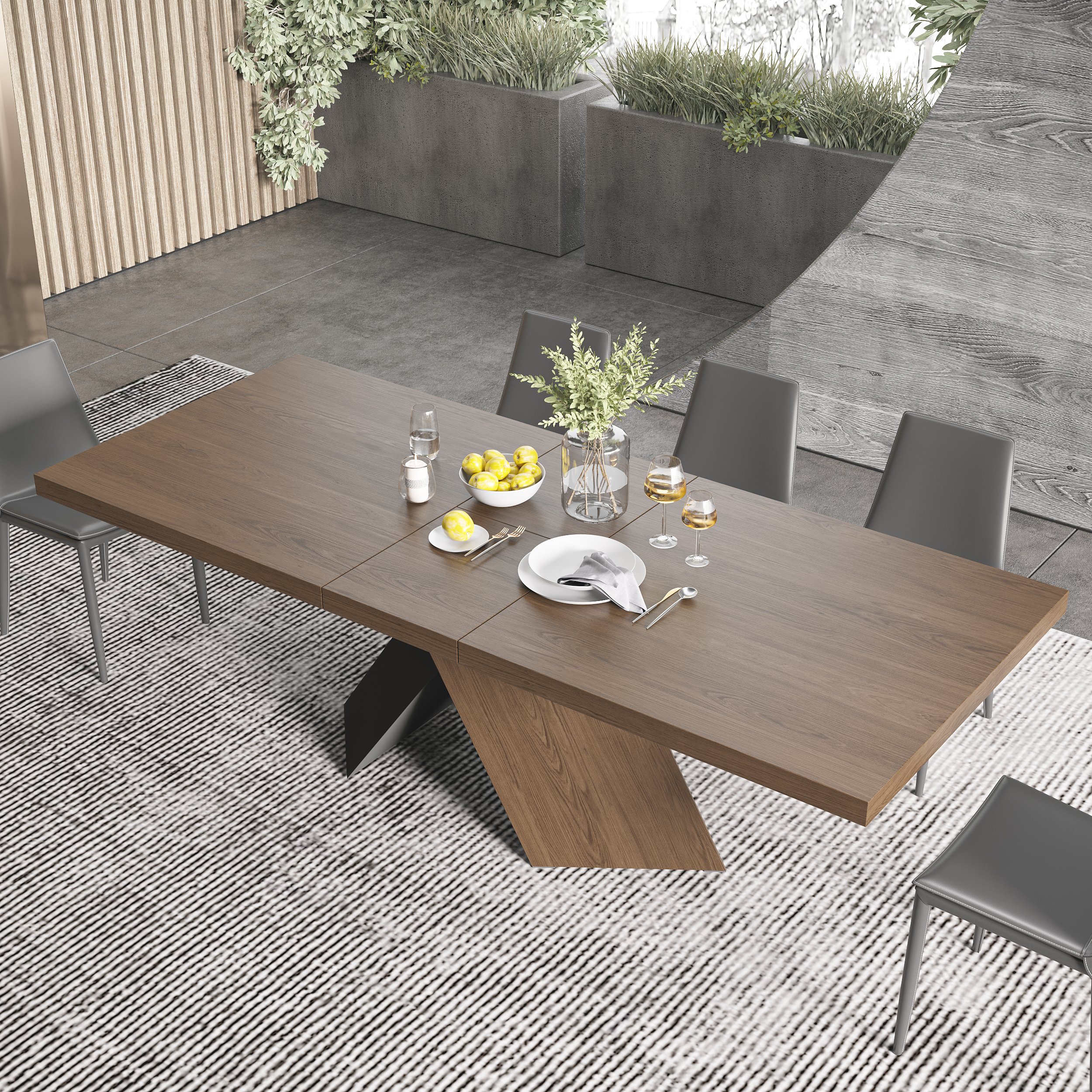
A table in the 79 to 94 inch extendable range, like the Farmhouse 79 to 94 Inch Extendable Rectangular Walnut Dining Table ($1,599.99), is built exactly around this math. Homary lists it as seating 6 to 8 at its shorter length and stretching to fit more once extended, which lines up with the 78 to 96 inch row in the table above.
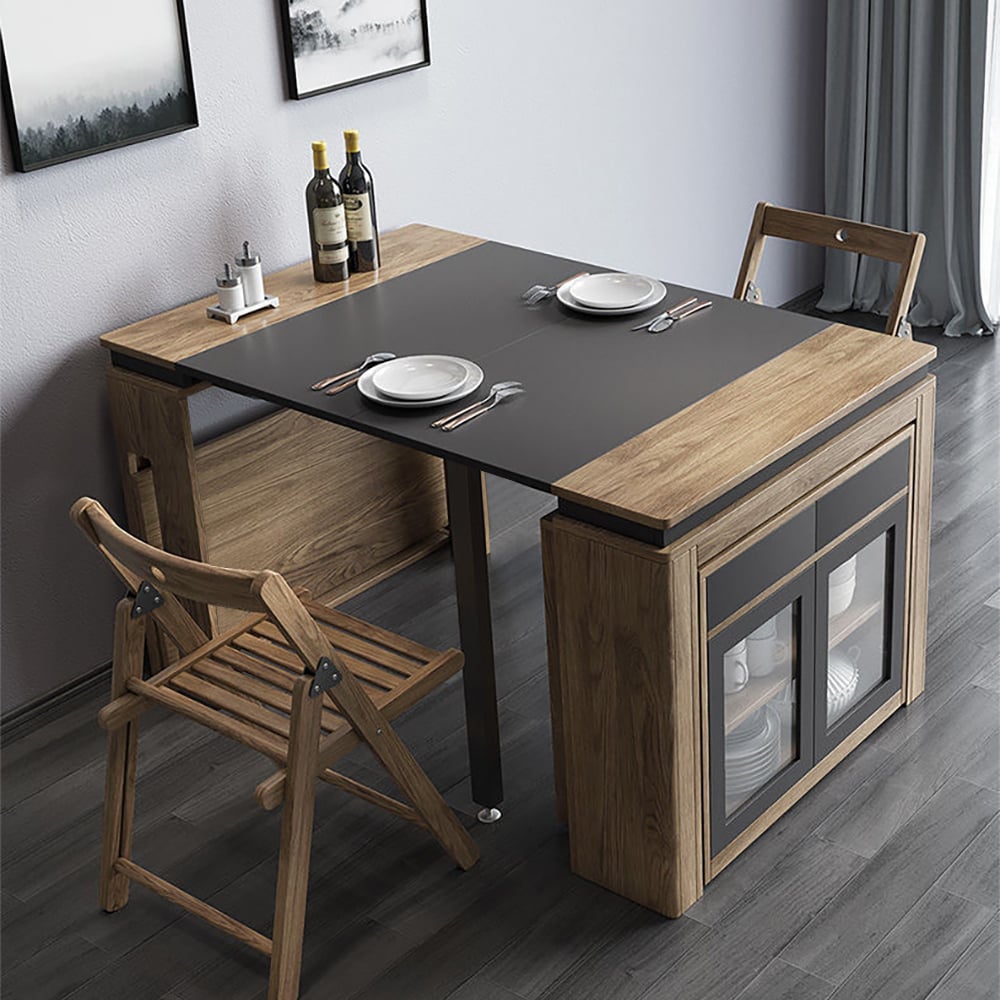
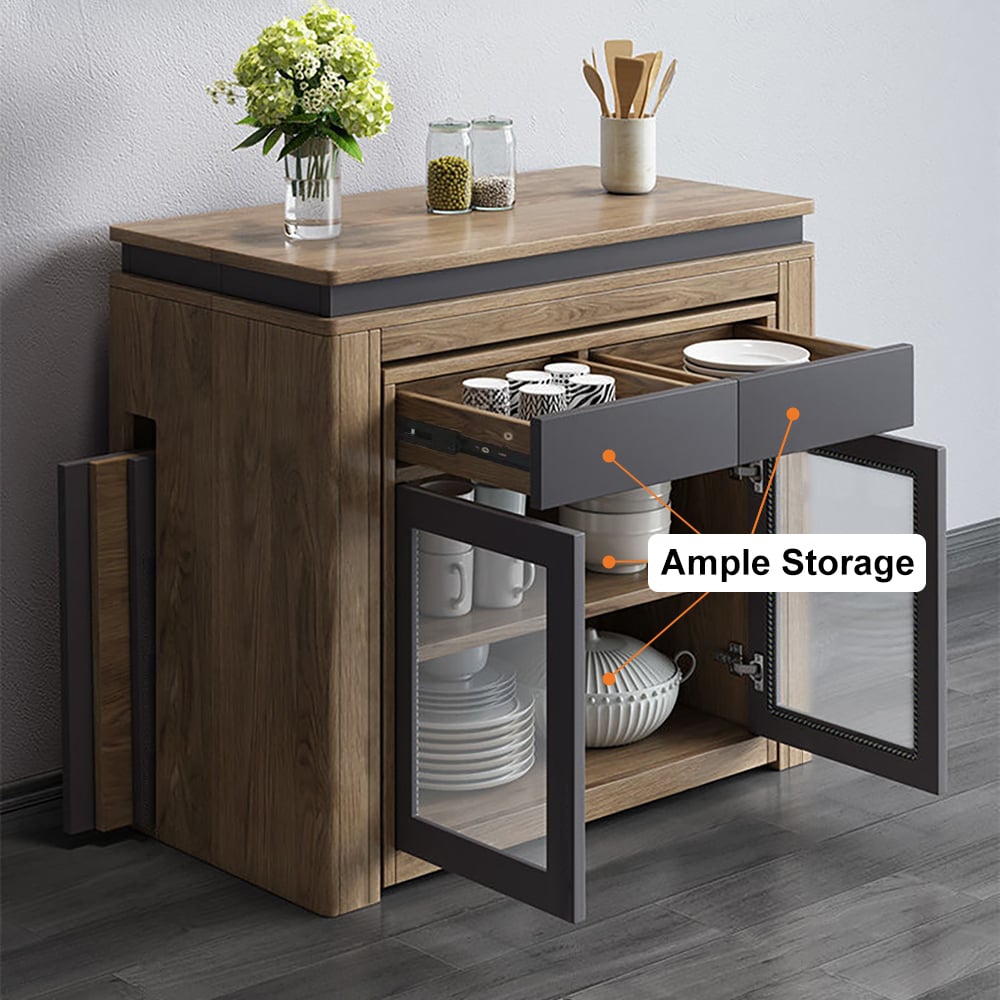
For smaller spaces, a 71 inch extendable table such as the Farmhouse 71 Inch Extendable Rectangular Dining Table with Sideboard ($599.99) is rated for 4 to 6 seats, which fits the 60 to 78 inch band once extended.
If your household is bigger and you need seating past 8, our Farmhouse Dining Table for 10+ guide walks through the longer table lengths and layout tricks that make a big table work in a normal-sized room.
How Benches Change the Math
A bench doesn’t need the same fixed spacing a chair does, because people can shift, scoot, and sit closer together than they would with a hard chair frame between them. Where an individual chair needs a dedicated 24 to 30 inches, a bench can seat people at roughly 20 to 22 inches per person, sometimes tighter for kids.
That means a 6-foot bench (72 inches) can often seat 3 to 4 adults, compared to 3 chairs taking up that same stretch of table. Swap one long side of a rectangular table for a bench and you can typically add one extra seat to that side without changing the table itself.
This is also why farmhouse tables paired with a bench on one side and chairs on the other are so common. You get flexible extra seating for guests or kids on the bench side, while the chair side keeps a more formal, defined seat for everyday use. Our Farmhouse Dining Table with Bench guide covers specific bench-and-table pairings and length matching in more detail.
One tradeoff: benches don’t have back support, and that’s a real comfort factor for anyone sitting through a long dinner. Most people put the bench on the side facing a wall or window, and reserve armchairs for the heads of the table.
Corner and End Seat Considerations
The two short ends of a rectangular table usually seat one person each, and those seats can actually be more generous on space than the side seats. There’s no neighbor immediately to the left or right, so an end chair can be wider or have arms without crowding anyone.
This is why farmhouse dining sets often put the captain’s chairs (the ones with arms) at the ends and slimmer side chairs along the length. It’s a practical solution, not just a style choice: the end position is the one spot on the table that can absorb the extra 4 to 6 inches an armchair needs without shrinking the room for everyone else.
The exception is a table with an apron or leg positioned close to the end. Check the underside of the tabletop or the product’s dimension diagram (Homary lists overall depth and clearance on most farmhouse table listings) before assuming an end chair will slide in without hitting a leg. Pedestal and trestle-base tables, which many farmhouse styles use, tend to have more legroom at the ends than traditional four-leg tables.
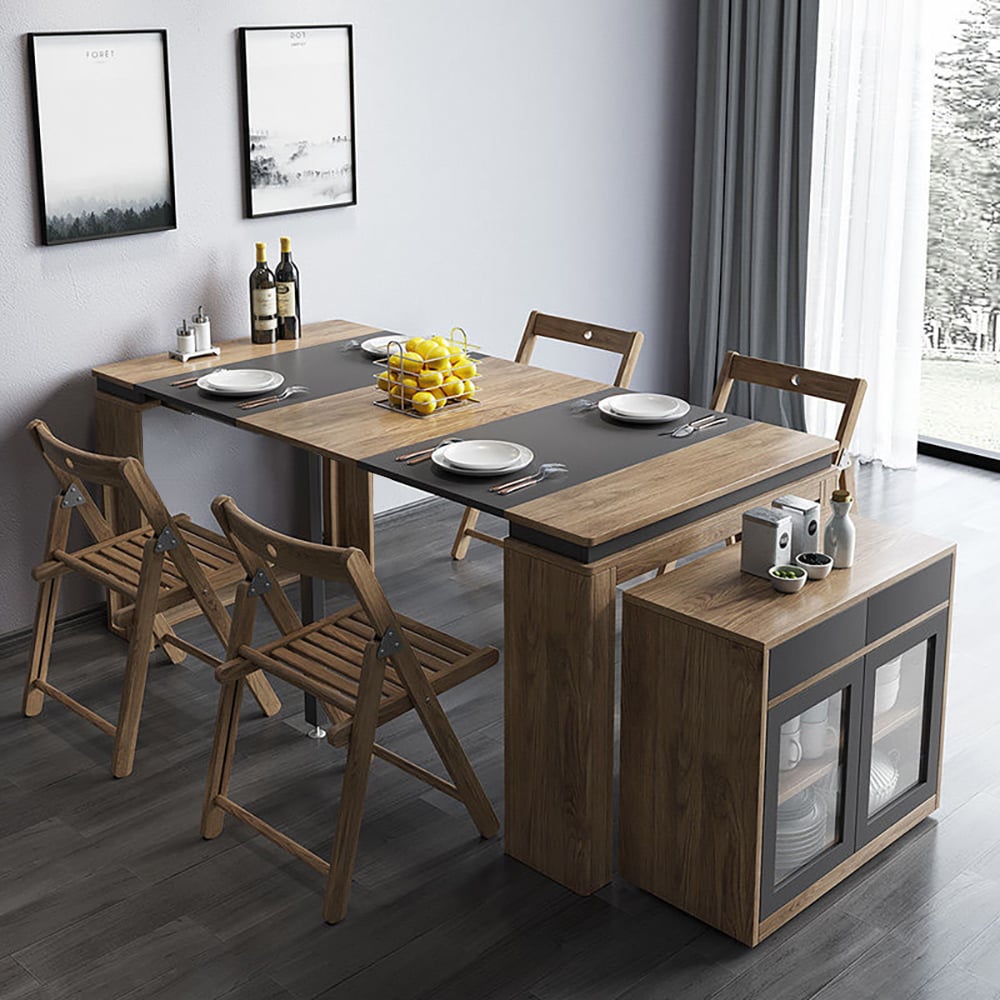
If you haven’t settled on chairs yet, our Farmhouse Dining Chairs Buying Guide breaks down which chair styles work best for end seats versus side seats, including width and armrest height comparisons.
Key Takeaways
- Standard chairs need about 24 inches of table length each; armed or heavily upholstered chairs need 26 to 30 inches.
- Match your table length to the reference table above: 48 to 60 inches fits 4, 60 to 78 inches fits 6, 78 to 96 inches fits 8, and 96 inches or more fits 10 or more.
- Benches seat more people per linear foot than chairs, often adding one extra seat to a side without changing the table.
- End seats can handle wider or armed chairs without crowding the table, making them the natural spot for statement chairs.
Measure your actual chairs (or the ones you’re eyeing) before you commit to a table length, and cross-check against your room’s clearance for pulling chairs out. That combination will get you a much more accurate seat count than guessing from a table’s advertised size alone.
FAQ
How many chairs fit at a 6 foot farmhouse table? A 6-foot (72 inch) table typically seats 6 people with standard chairs, or 4 to 6 if you’re using wide or armed chairs. Adding a bench to one side can push that to 7 or 8 total seats.
How many chairs fit at a 8 foot table? An 8-foot (96 inch) table generally seats 8 to 10 people with standard chairs. This falls right at the edge of the 78 to 96 inch and 96-plus categories, so exact seating depends on the chair width you’re using.
Do I need 24 or 30 inches per chair? Use 24 inches per person for standard armless dining chairs. Move up to 26 to 30 inches per person if your chairs have arms or thick upholstered sides.
Can a bench seat more people than the same length in chairs? Yes. A bench typically seats people at 20 to 22 inches each, compared to 24 to 30 inches per chair, so a bench can often fit one extra person in the same amount of space.
How much space do you need between dining chairs? Most guides recommend at least 6 inches of clearance between the edges of adjacent chairs so elbows don’t collide while eating.
Is it better to have fewer chairs than a table technically fits? Often yes. Squeezing in the maximum number of chairs a table can physically hold usually leaves guests cramped. Many designers recommend one fewer chair than the strict math allows for a more comfortable meal.
Do end chairs need more or less space than side chairs? End chairs generally need less lateral space from neighbors since nobody sits directly beside them, which is why armchairs and captain’s chairs are commonly placed at the ends of farmhouse tables.
How do I know if my chairs will fit around my table? Measure the widest point of each chair (including arms if it has them) and divide your table’s length by that number. Compare the result to the reference table in this guide to see if your chair count is realistic.
Does an extendable table change how many chairs fit? Yes. Extendable farmhouse tables usually list two seat counts, one for the base length and one for the extended length, since adding a leaf can open up room for 2 more chairs.
What table length do I need for 8 people? Plan for a table between 78 and 96 inches for 8 people with standard chairs. If your chairs have arms, you may need to be closer to the 96 inch end of that range to keep everyone comfortable.