A friend of mine spent three hours in a dining chair last Thanksgiving and came home with a sore tailbone. Her chairs were solid oak, gorgeous, and completely unforgiving after the second helping of pie. That’s the trade-off at the heart of this whole decision.
Upholstered farmhouse dining chairs win on comfort for long meals and add a softer, more layered look. Wood farmhouse dining chairs win on cleaning, upfront cost, and how long they hold up under daily wear. Most farmhouse dining rooms today actually mix the two: a wood table paired with upholstered chairs, sometimes with a wood bench on one side.
Comfort: This Is Where Upholstered Chairs Pull Ahead
Wood seats are flat and hard. For a quick breakfast, that’s fine. For a two-hour holiday dinner or a home office chair doubling as a dining seat, it gets old fast.
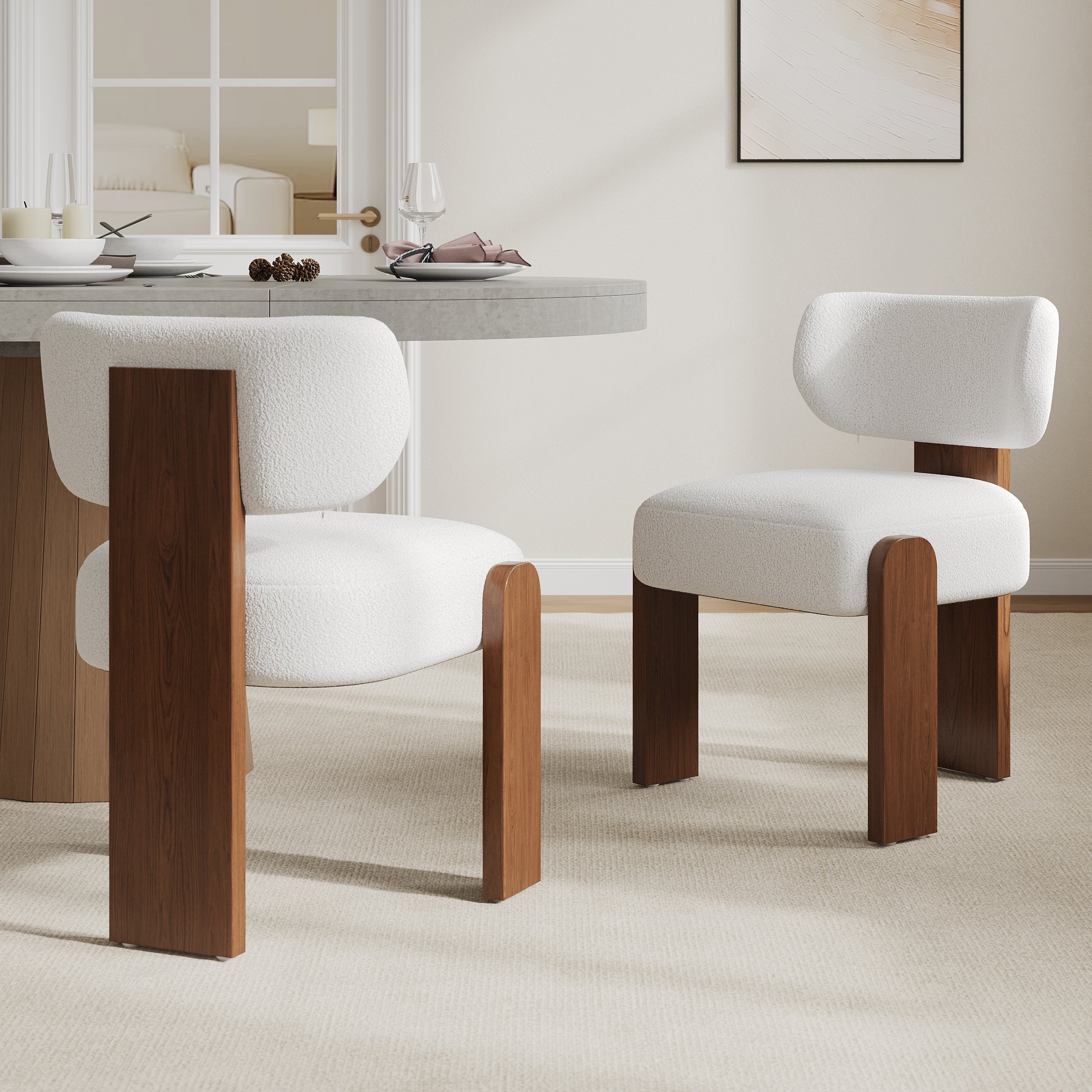
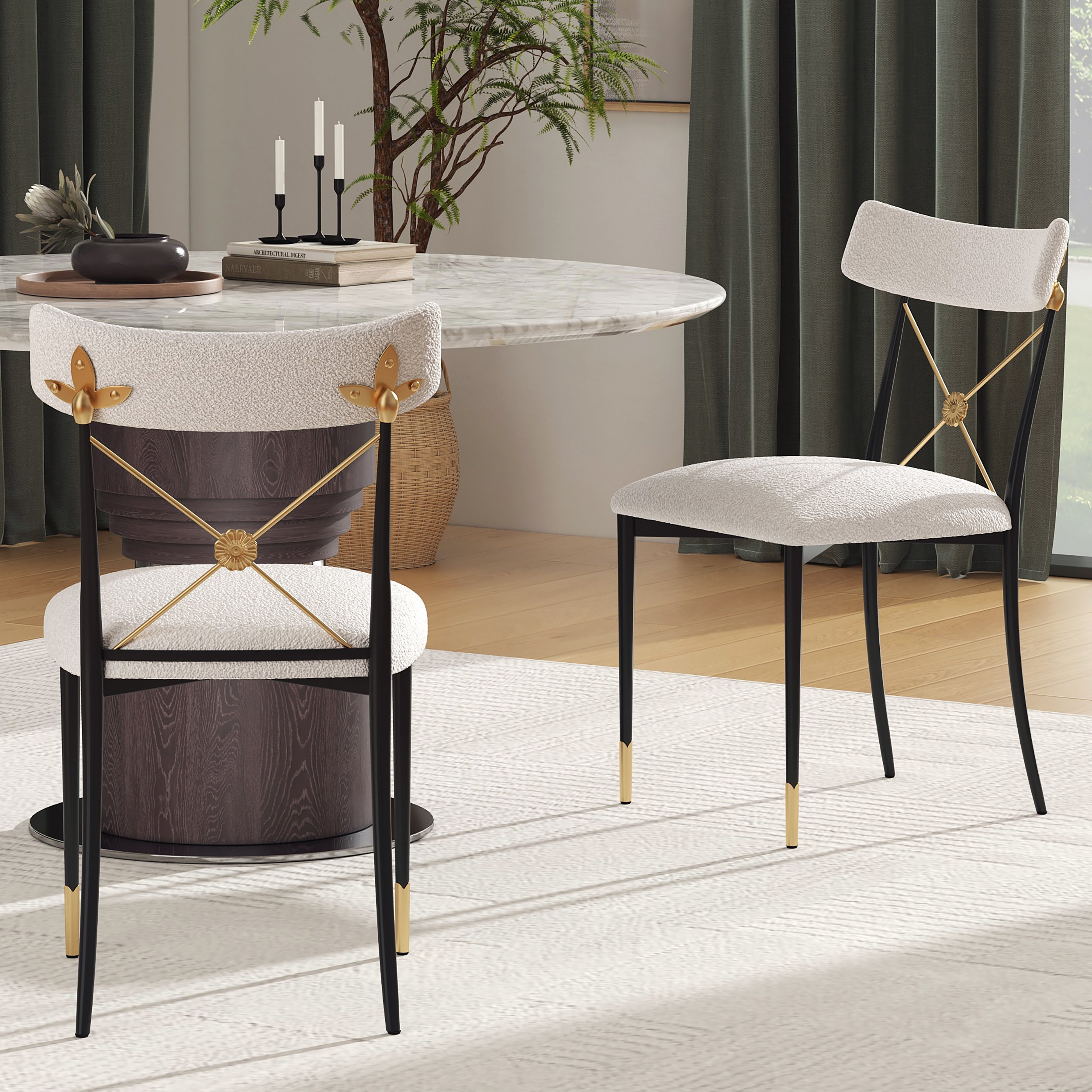
Upholstered seats have padding, usually foam wrapped in fabric or faux leather, that spreads your weight out instead of concentrating it on your tailbone and thighs. A curved, cushioned back also supports your spine better than a flat wood slat.
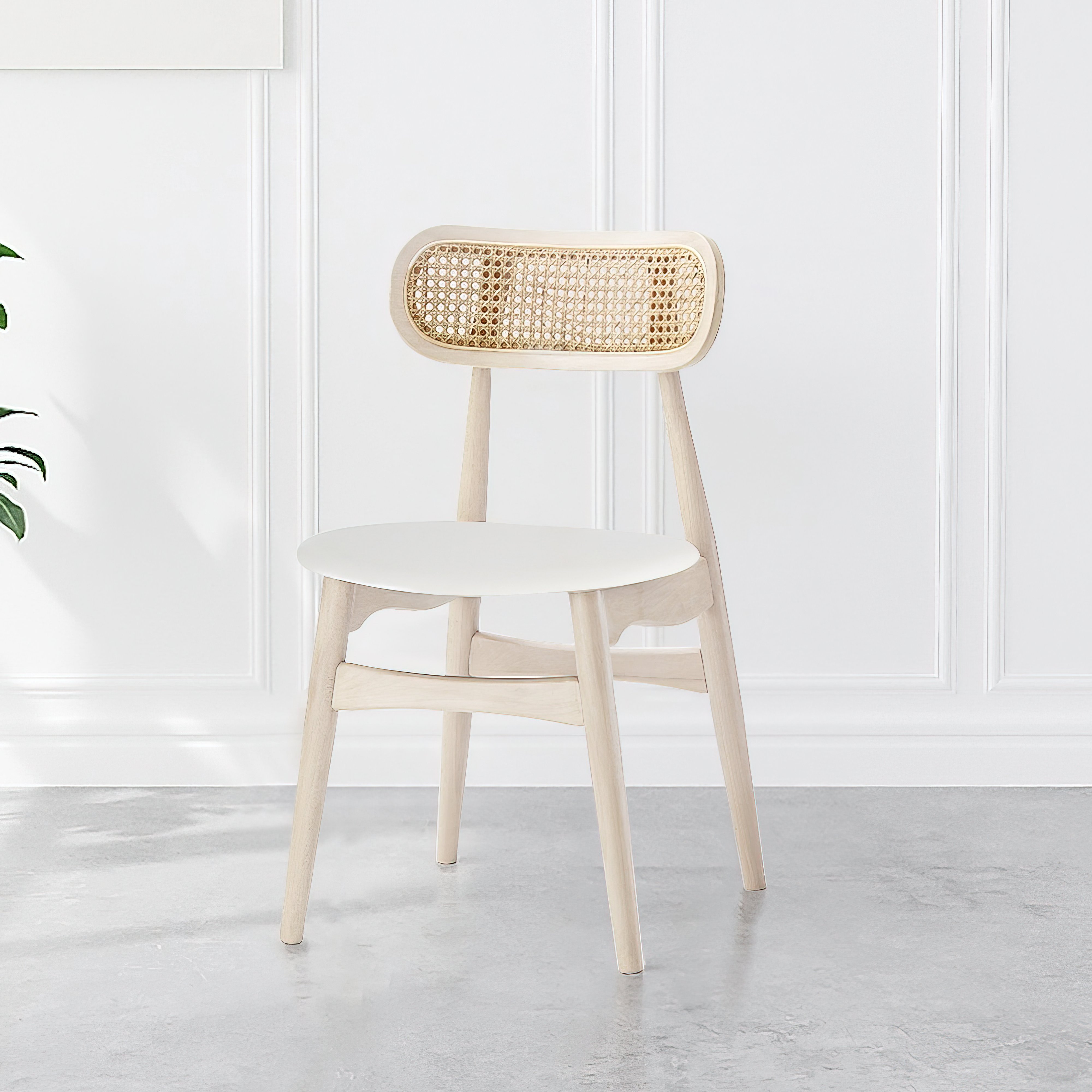
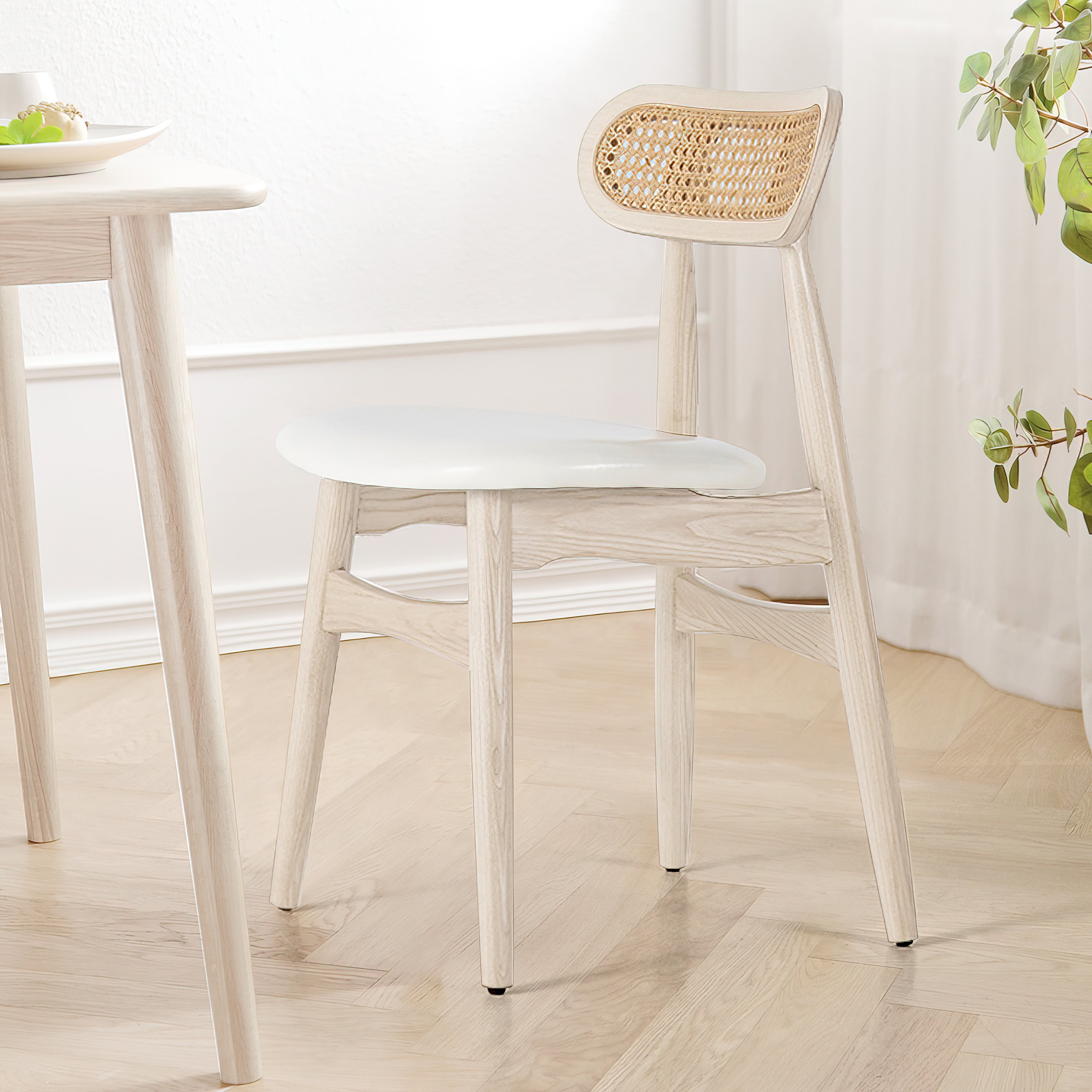
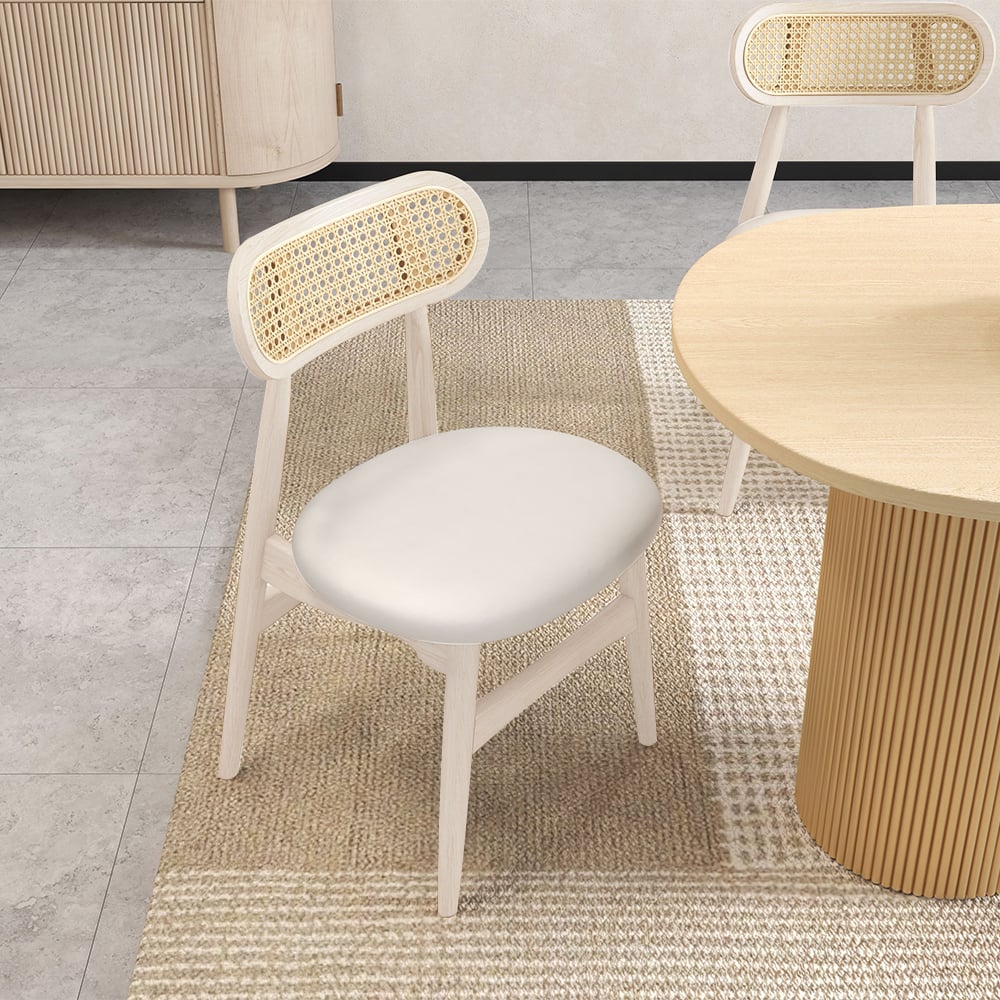
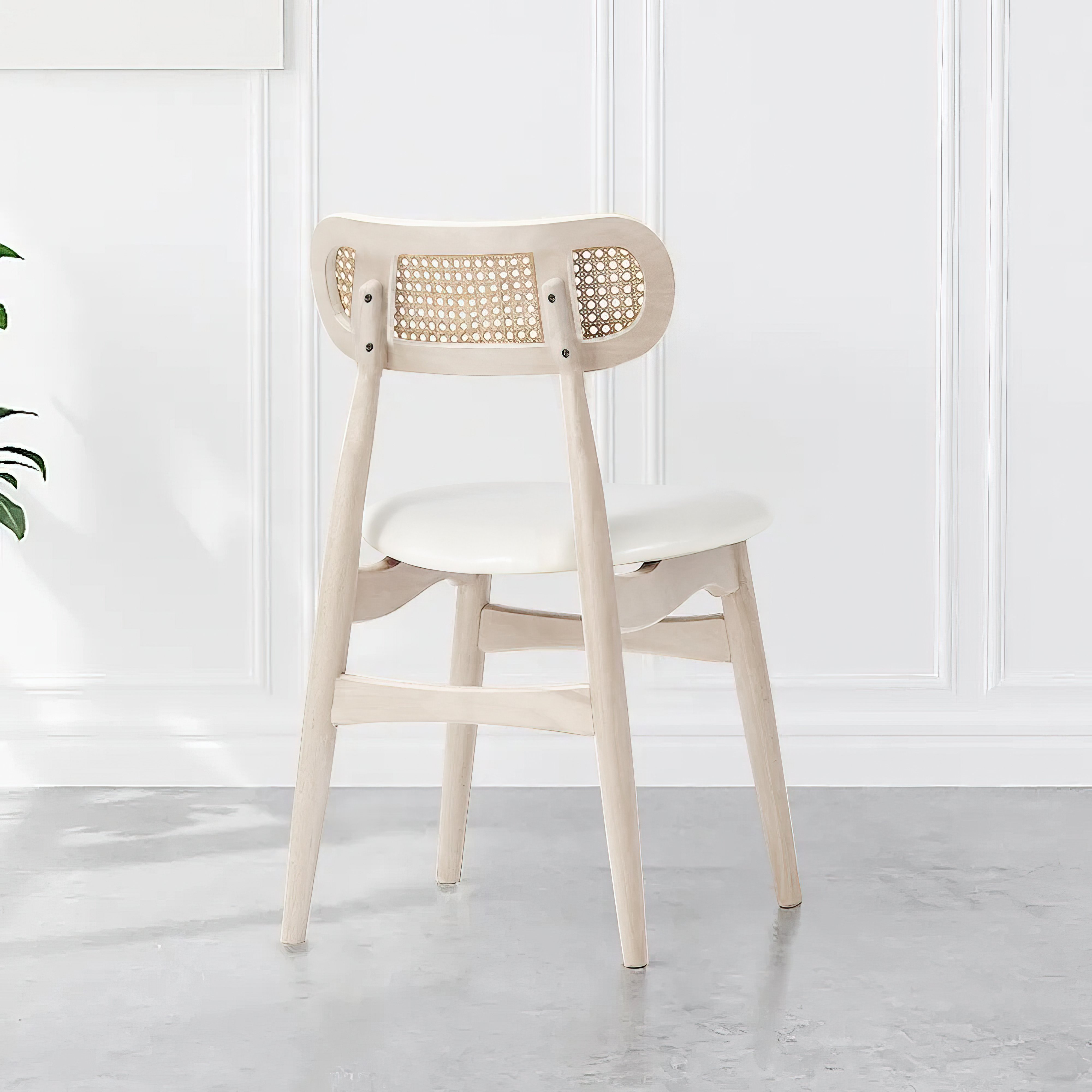
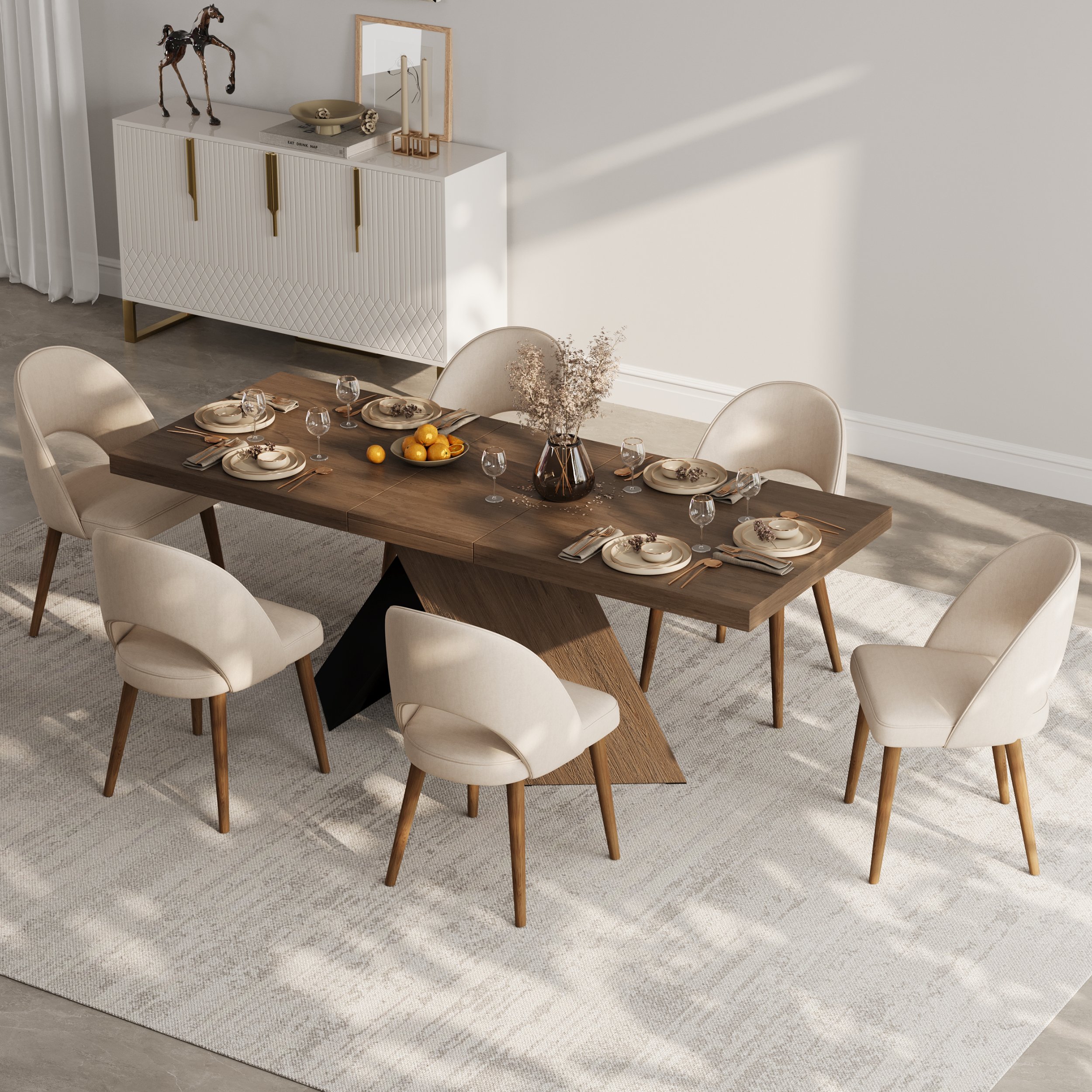
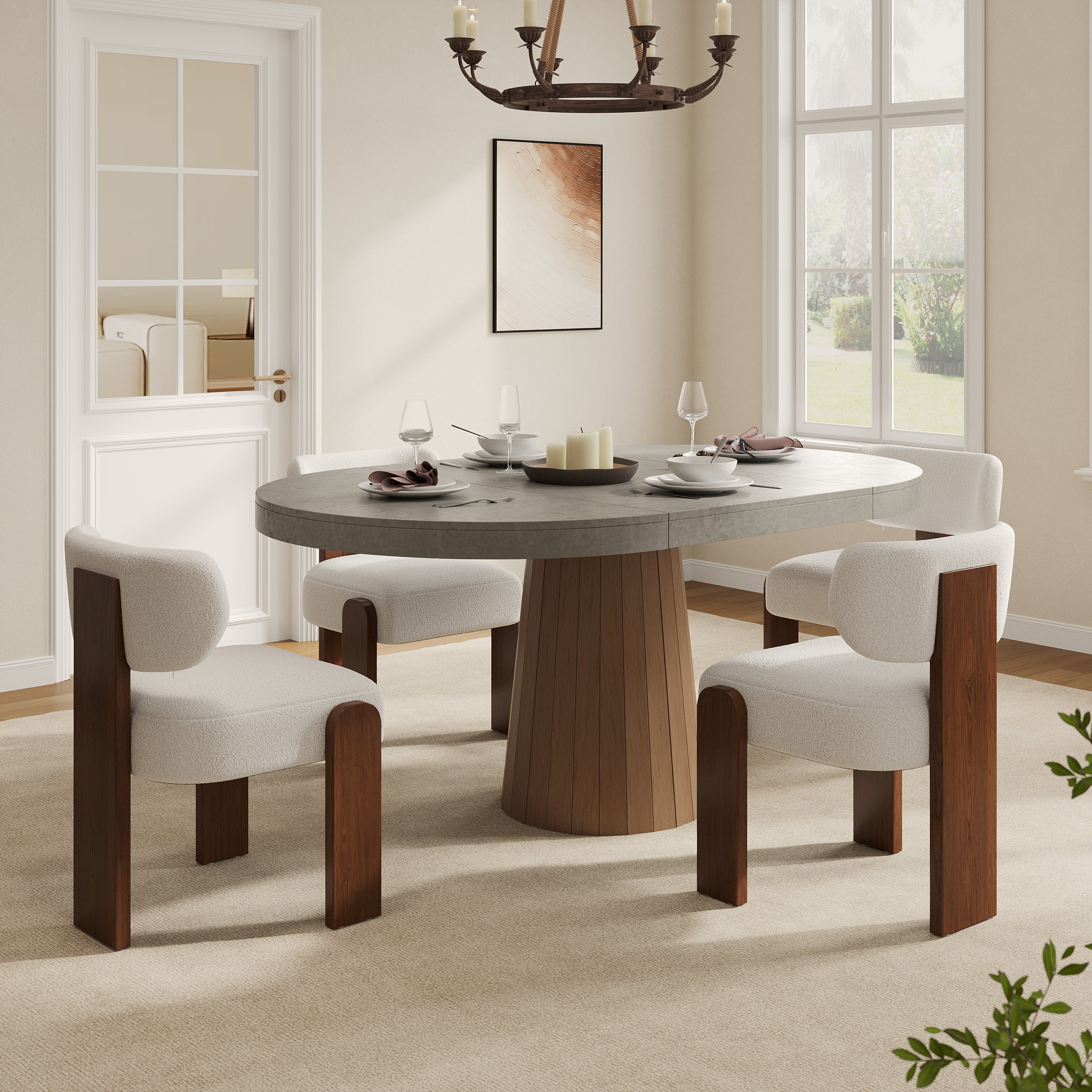
Homary’s Japandi Bleached Wood PU Leather Upholstered Dining Chair is a good example of this. It pairs a solid ash wood frame with a foam-filled, faux leather seat and a curved back built for posture support. You get the warmth of real wood legs plus a seat that doesn’t punish you after 45 minutes.
If your household hosts long dinners, game nights, or holiday gatherings where people linger at the table, comfort should weigh heavily in your decision.
Cleaning and Maintenance: Wood Is Easier, But Not by as Much as People Think
Wood chairs wipe clean with a damp cloth in seconds. Spilled wine, ketchup, or a kid’s juice box comes off the surface and that’s the end of it. There’s no fabric to soak into, no need to worry about staining.
Upholstered chairs take more care, but the gap has narrowed. Many upholstery options now use performance fabrics or PU leather (a synthetic, leather-like material) that resist stains and wipe clean almost as easily as wood. PU leather in particular sheds spills rather than absorbing them.
Real woven fabric, like linen or boucle, is the highest-maintenance option. It looks soft and inviting, but it needs blotting, spot cleaning, and occasional professional cleaning if something soaks in before you catch it.
| Seat Material | Everyday Spills | Deep Stains | Effort Level |
|---|---|---|---|
| Solid wood | Wipes off instantly | Rarely stains, but scratches show | Low |
| PU leather / faux leather | Wipes off, mostly stain-resistant | Occasional stain if left too long | Low to Medium |
| Woven fabric (linen, boucle, velvet) | Needs blotting right away | Can stain, may need spot cleaner | Medium to High |
If you have young kids or you host messy dinners often, wood chairs or PU leather upholstery are the safer bet over woven fabric.
Durability: Both Can Last, But They Fail Differently
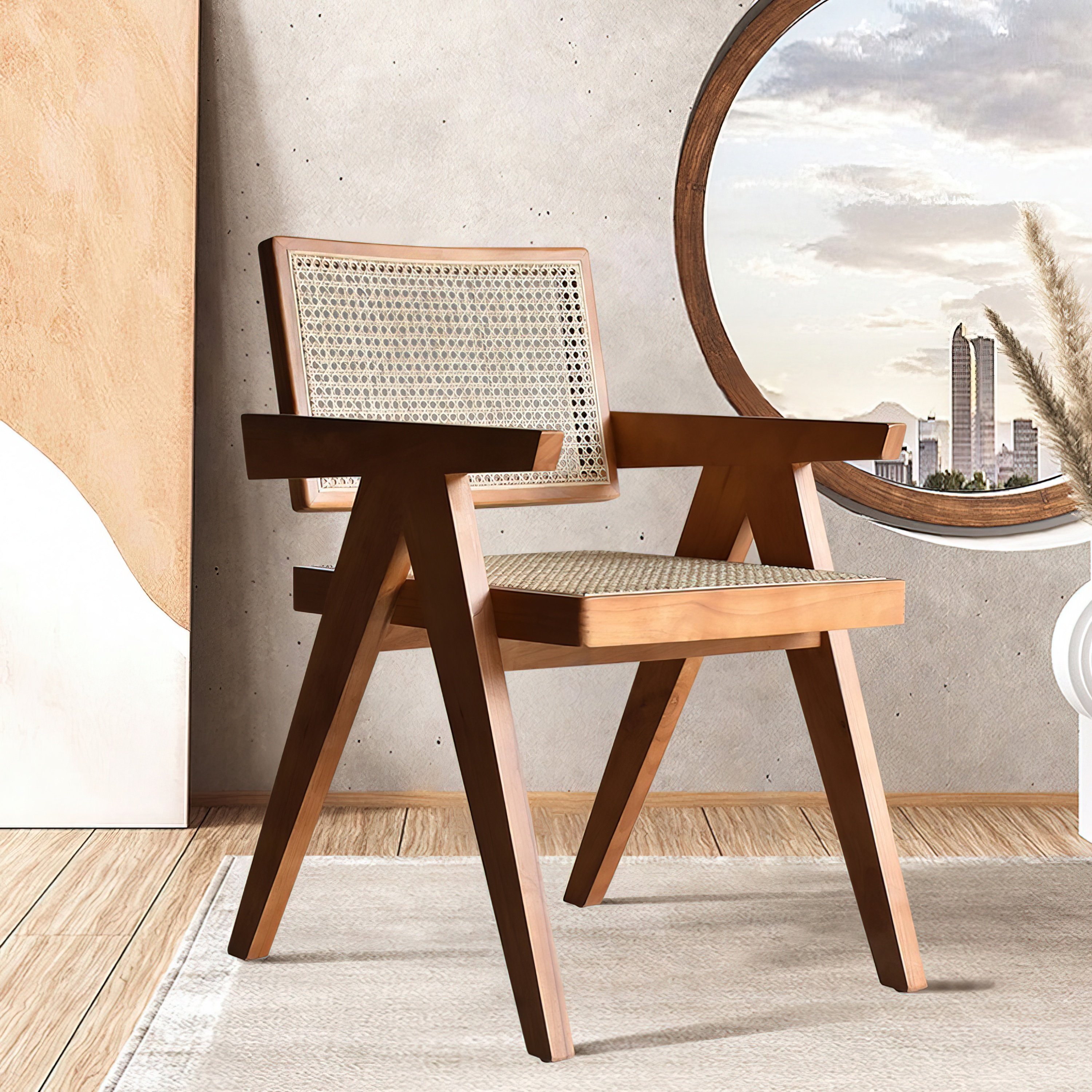
Solid wood dining chairs, especially ones made from ash, oak, or rubberwood, can last well over a decade with basic care. The main risks are scratches, dents, and loose joints from repeated tipping back on two legs.
Upholstered chairs have two parts that can wear out separately: the frame and the fabric. A well-built frame under the padding can outlast the upholstery itself. Fabric and foam typically show wear, flattening, or fraying somewhere in the 5 to 10 year range under regular use, though PU leather tends to hold its finish longer than woven fabric before it needs attention.
The practical takeaway: a wood chair usually needs a repair (tightening a leg, refinishing a scratch) rather than a full replacement. An upholstered chair with a solid wood frame can often be reupholstered instead of thrown out, which stretches its life if you’re willing to do that work later.
Cost: Wood Chairs Are Usually the Budget Pick
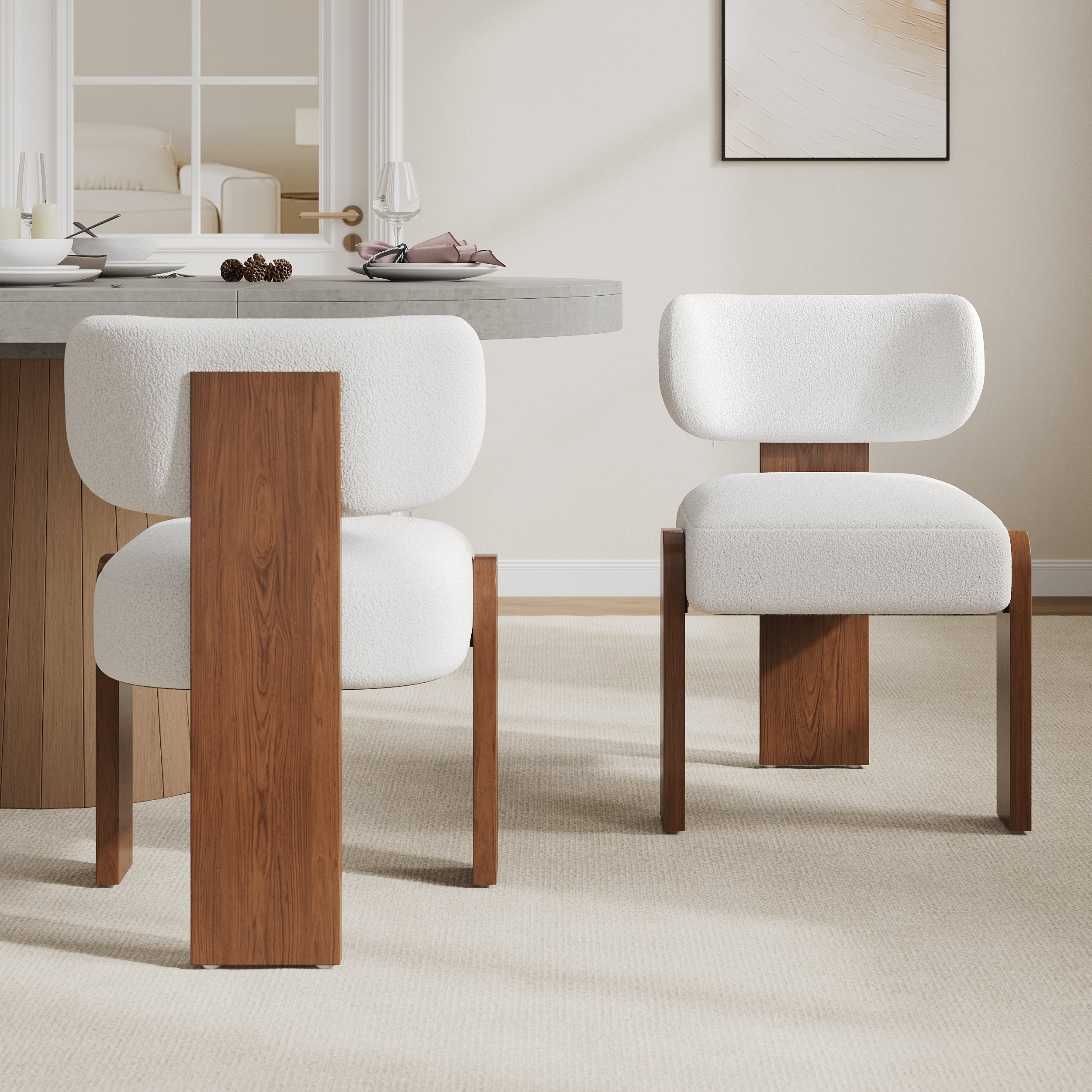
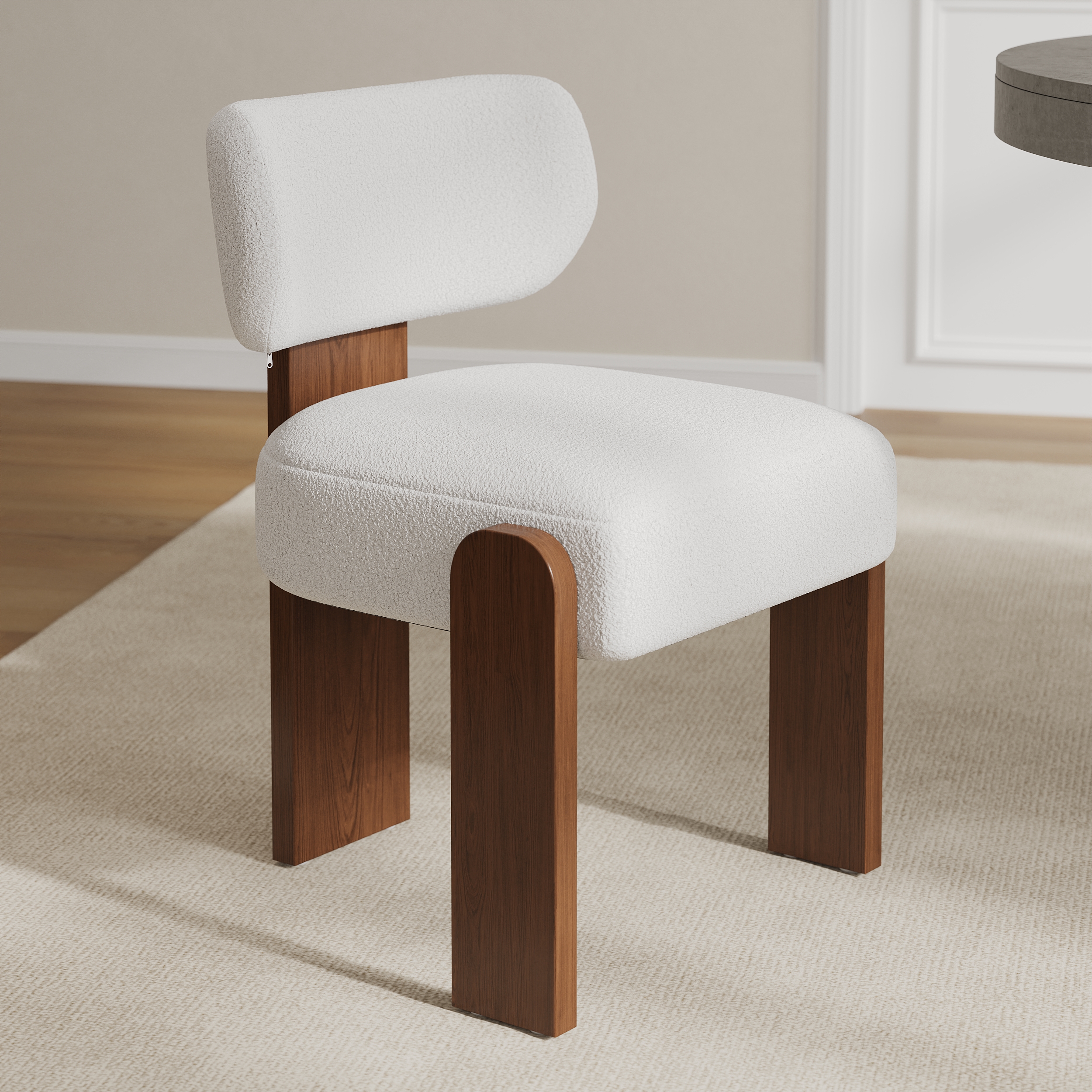
All-wood dining chairs tend to cost less because they use one primary material and skip the padding, foam, and fabric layers. Homary’s Mid-Century Modern Wood Dining Chairs run $229.99, and that price reflects a simple, solid build without upholstery costs baked in.
Upholstered chairs cost more because you’re paying for the frame plus foam plus fabric plus the labor to wrap and finish it. The Japandi upholstered set mentioned above runs $1,709.99 for six chairs (marked down from $2,519.99), which works out to roughly $285 per chair, a jump over the comparable wood option.
If you’re furnishing a full table on a tight budget, wood chairs stretch your money further. If comfort matters more than the sticker price, the extra cost of upholstery buys you a seat you’ll actually want to sit in.
How Each Style Looks in a Farmhouse Room
All-wood chairs are the classic, traditional farmhouse look. Turned or ladder-back wood chairs around a chunky wood table is the image most people picture when they hear “farmhouse dining room.” It reads as simple, sturdy, and a little rustic.
Upholstered chairs paired with a wood table is the modern farmhouse move, and it’s extremely common right now. The wood table keeps the room grounded and warm, while upholstered chairs (often in linen, boucle, or a neutral faux leather) soften the space and add a layer of texture that pure wood can’t. This mixed pairing shows up constantly in modern farmhouse and Japandi-farmhouse rooms because it balances rustic and refined in one setup.
A middle-ground option many people miss: mix a few upholstered chairs at the ends or head of the table with a wood bench along one side. You get comfort where people sit longest and easy-clean wood where kids or guests tend to make a mess.
Which One Should You Actually Pick?
Ask yourself three questions. How long do people usually sit at your table? Do you have kids, pets, or frequent messy meals? And is your farmhouse style leaning traditional and rustic, or softer and more modern?
If you want the most traditional farmhouse look, easy cleanup, and the lowest price, go with wood chairs. If comfort during long meals matters more and you don’t mind a bit more care, upholstered chairs (ideally with a stain-resistant PU leather or performance fabric) are worth the extra cost. If you can’t decide, the modern farmhouse pairing of a wood table with upholstered chairs gives you both looks without picking a side.
Key Takeaways
- Upholstered chairs are more comfortable for long meals; wood chairs are easier to clean and generally cheaper.
- PU leather and performance fabrics close much of the maintenance gap that used to favor wood.
- All-wood seating reads as classic farmhouse; a wood table with upholstered chairs is the more common modern farmhouse pairing today.
- A mixed setup (upholstered chairs plus a wood bench) is a practical way to get comfort and easy cleanup in the same room.
Whichever direction you lean, sit in a floor sample or check the return policy before buying six chairs at once. What feels fine for ten minutes in a showroom can feel very different after an hour at your own table.
Frequently Asked Questions
Are upholstered dining chairs worth it for a farmhouse dining room? Yes, if comfort during longer meals matters to you. They add a softer, layered look that pairs well with a wood farmhouse table, though they cost more upfront and need more care than plain wood seats.
Do upholstered dining chairs stain easily? It depends on the fabric. Woven fabrics like linen or boucle can stain if spills sit too long, while PU leather and other performance fabrics resist most everyday spills and wipe clean quickly.
Are wood dining chairs more durable than upholstered ones? Solid wood frames themselves are very durable and can last over a decade. Upholstery (the fabric and foam) tends to wear out faster than the frame underneath it, so a wood chair often needs less maintenance over time.
Can you mix wood and upholstered chairs at the same farmhouse table? Yes, and it’s a common modern farmhouse choice. Many people use upholstered chairs at the head or sides of the table and a wood bench along one edge for a mix of comfort and easy cleanup.
What is the most stain-resistant upholstery for dining chairs? PU leather and faux leather are among the easiest upholstered options to clean because spills sit on top of the surface instead of soaking in. Performance fabrics designed for stain resistance are the next best option if you want a fabric look.
How much more do upholstered dining chairs cost than wood chairs? It varies by brand and material, but upholstered chairs commonly cost noticeably more per chair than comparable all-wood chairs because of the added foam, fabric, and labor. Comparing similar six-chair sets is the fairest way to see the actual price gap.
Do wood dining chairs work with a modern farmhouse style? Yes, wood chairs fit modern farmhouse rooms well, though the more traditional farmhouse look leans toward all-wood seating while the modern farmhouse look more often pairs a wood table with upholstered chairs.
How long do upholstered dining chairs last before they need reupholstering? Under average household use, upholstered chairs typically need reupholstering or fabric replacement somewhere between 5 and 10 years, depending on the fabric quality and how much daily use they get.
Are wood dining chairs comfortable for long dinners? On their own, flat wood seats get uncomfortable after sitting for an extended period. Many people add a cushion or seat pad to a wood chair to get some of the comfort of upholstery without giving up the easy-clean surface.
What dining chair option is best for families with young kids? Wood chairs or PU leather upholstered chairs tend to work best for families with young kids because both wipe clean quickly and hold up to frequent spills better than woven fabric upholstery.