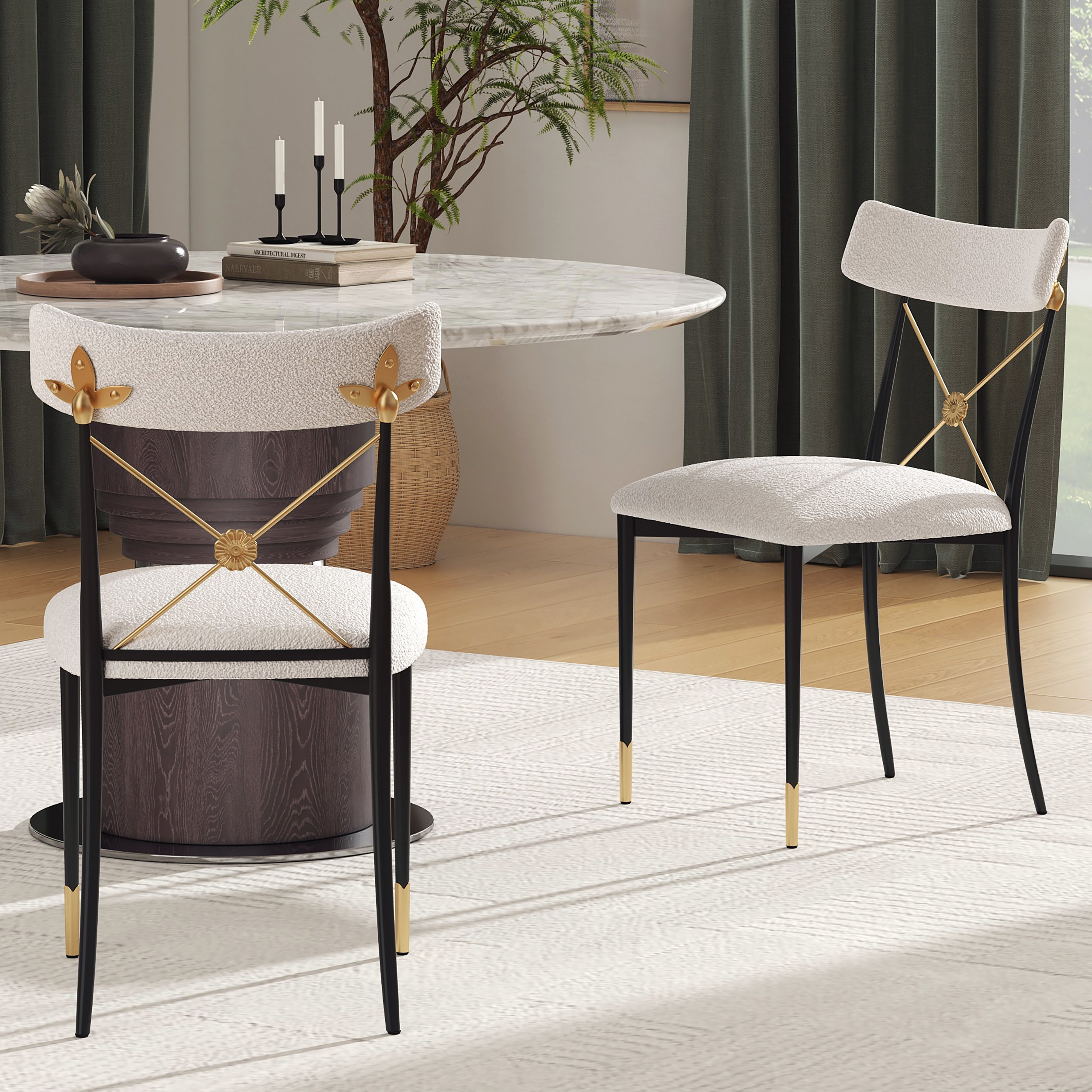
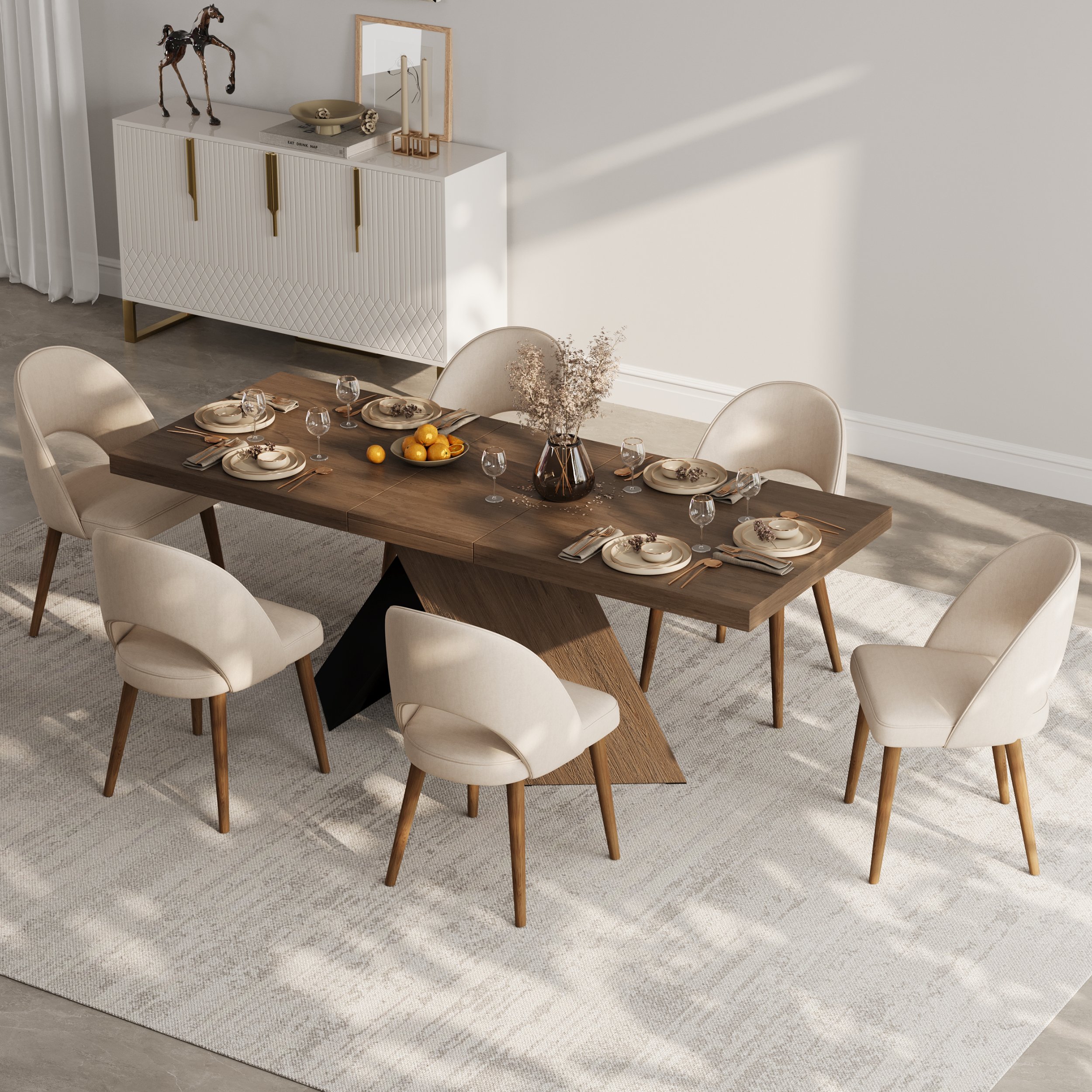
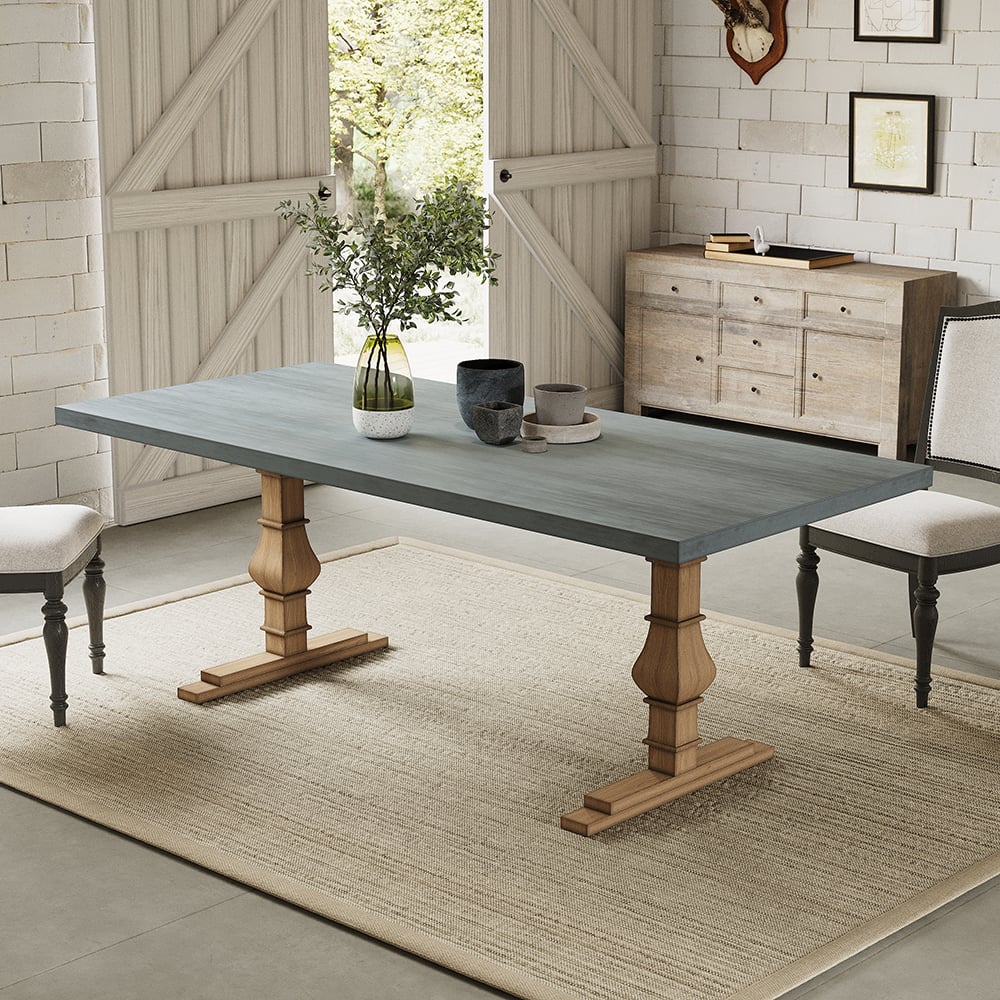
A farmhouse dining table is only as good as the chairs surrounding it. Choosing the right seating is a balancing act of comfort, size, and visual style. From classic Windsor and ladder-back chairs that offer open airiness to upholstered seats that encourage long, lingering dinners, your chair selection defines how cozy and functional your dining room will feel.
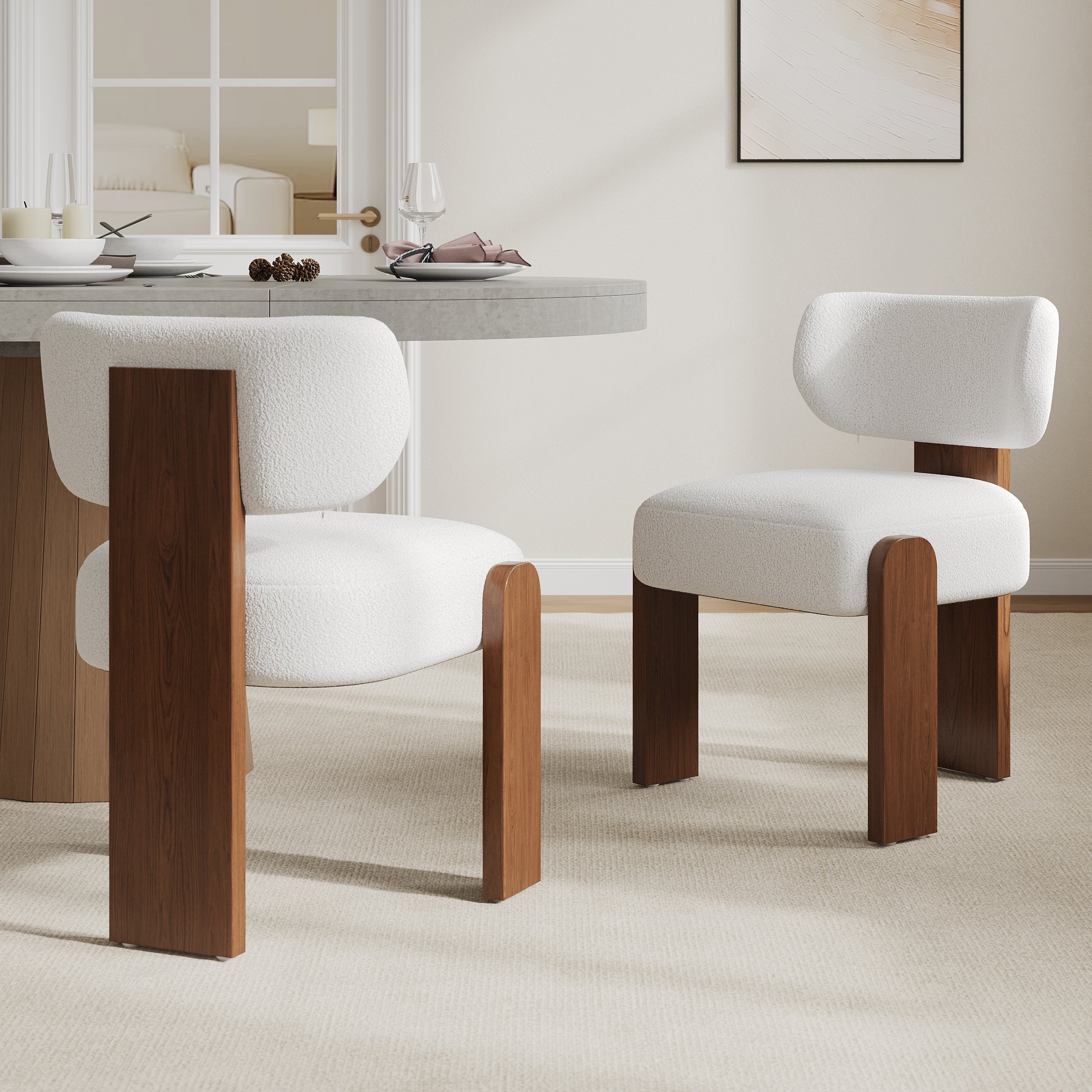
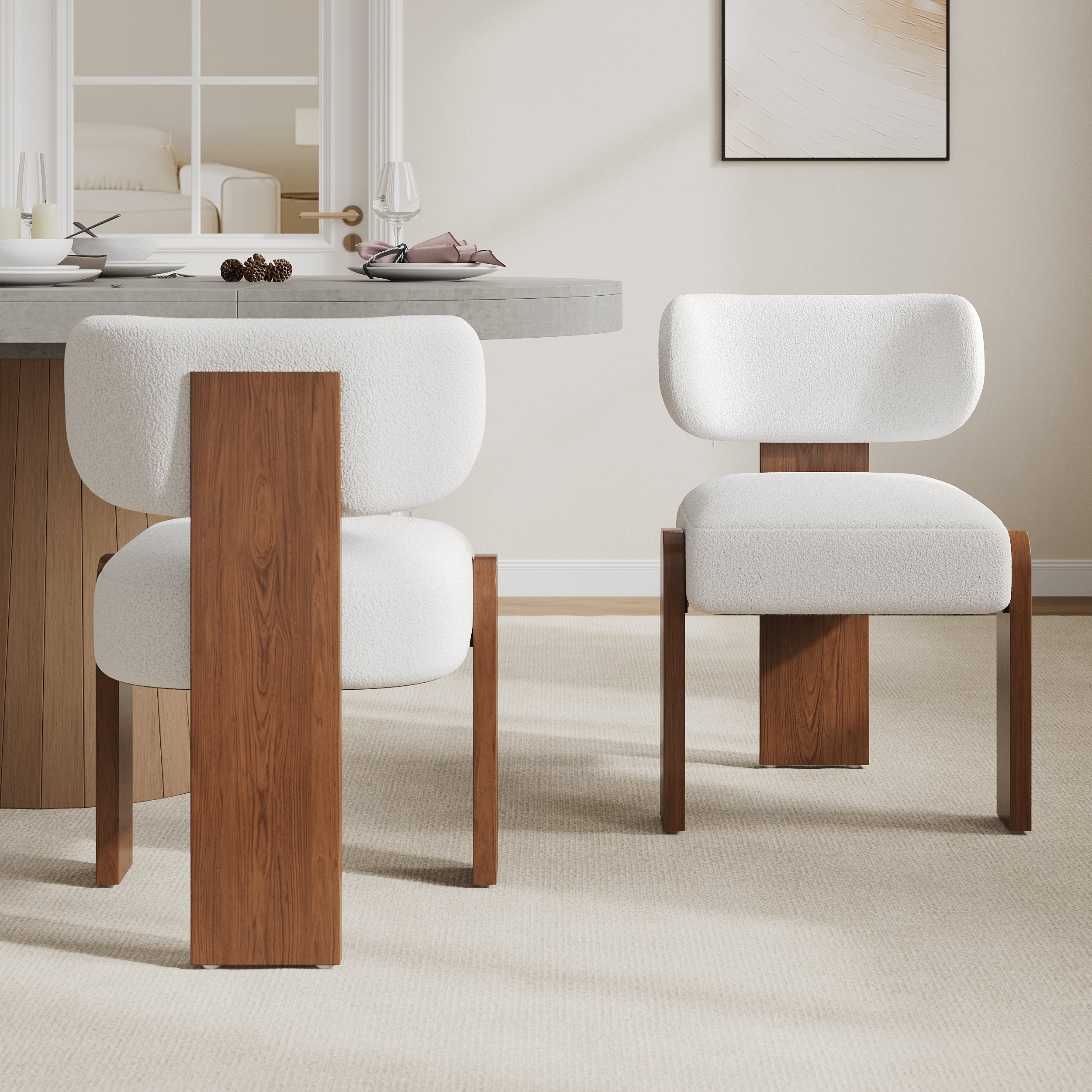
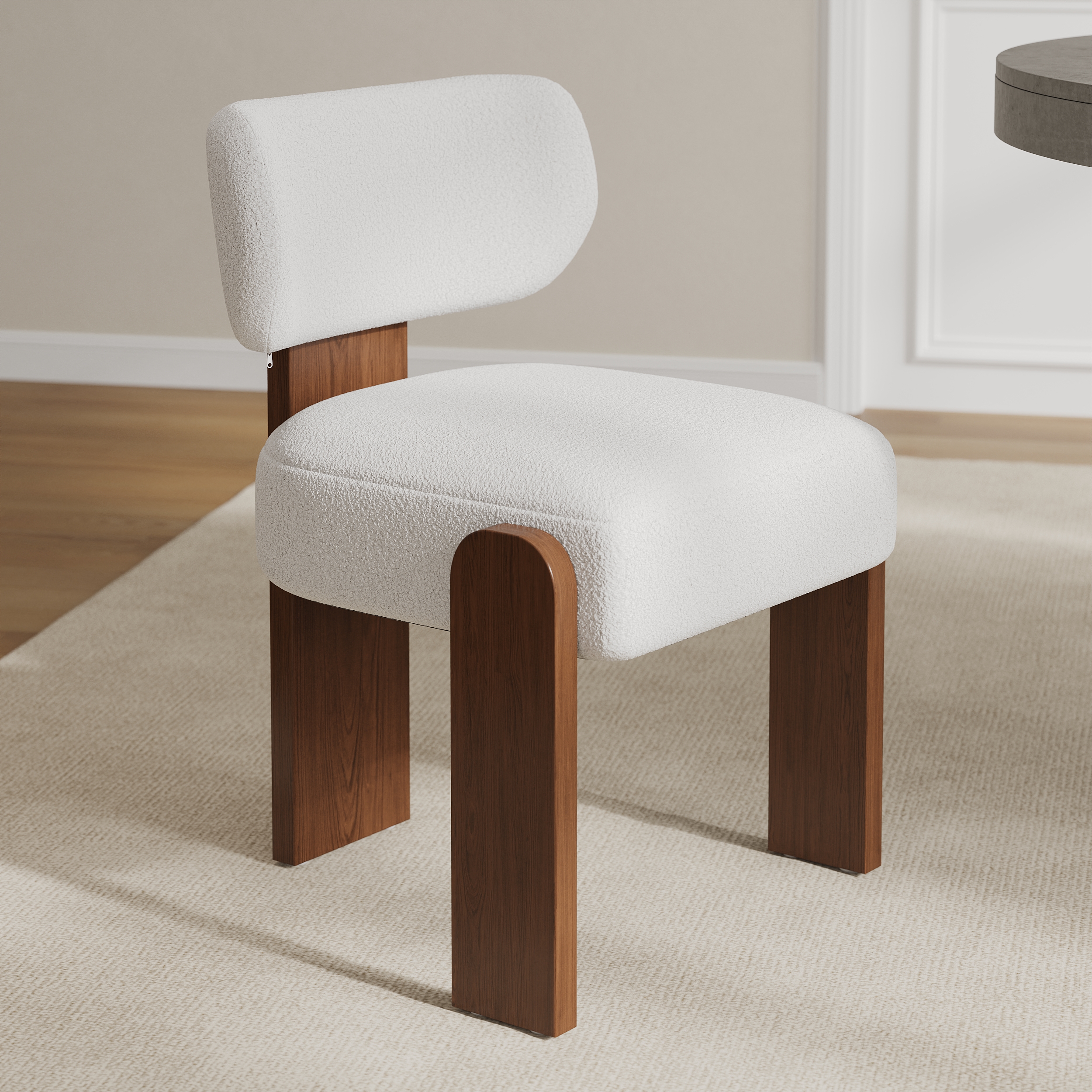
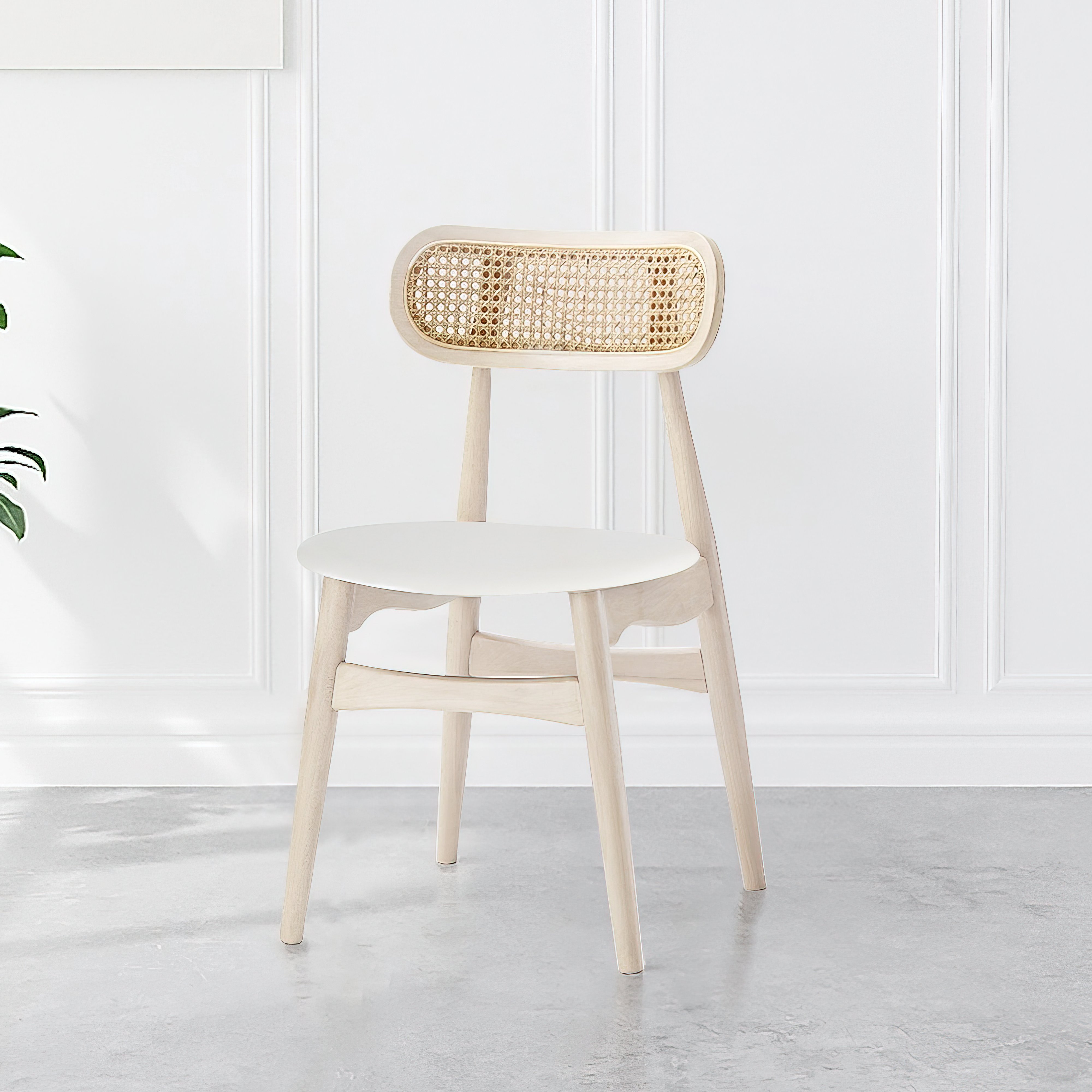
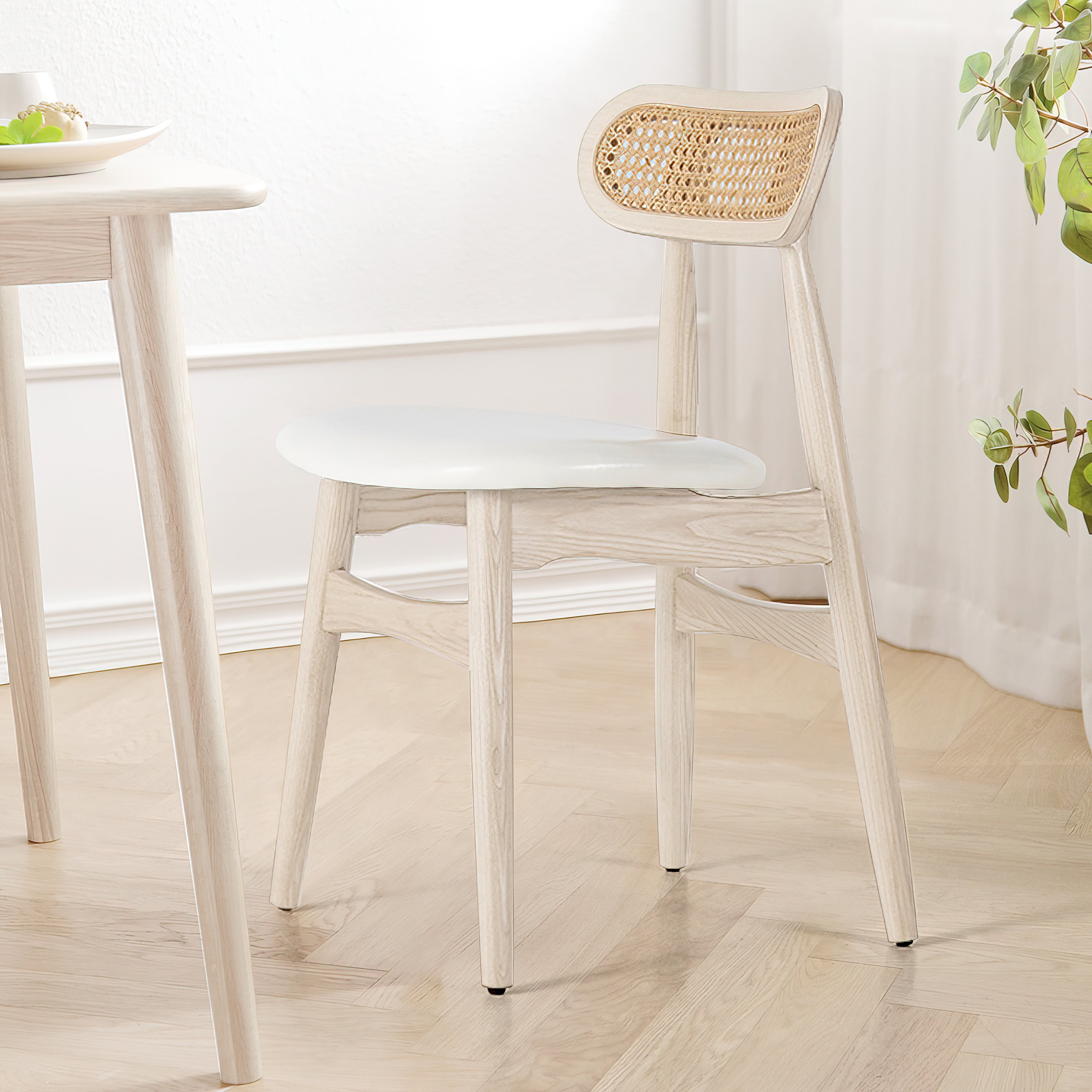
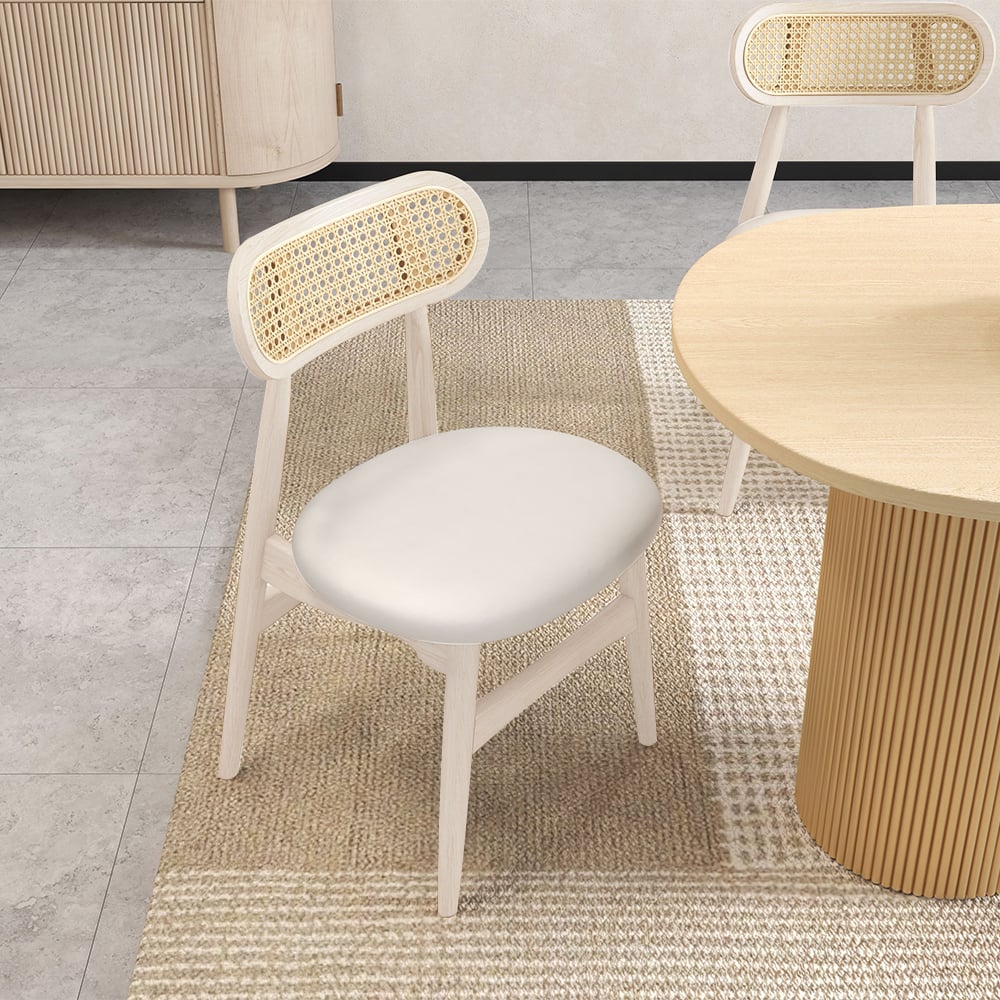
Before you begin shopping, make sure to read the How Many Chairs Fit a Farmhouse Table Guide prominently near the top of your planning, as correct spacing is critical to avoid a cramped dining experience.
To find the perfect seating match for your farmhouse table, check out our full range of guides below, and don’t forget to pair them back to our main Dining Tables Guide for style consistency.
You found the perfect farmhouse dining table. Then you opened a chair website and saw four hundred options with names like “wingback,” “cross-back,” and “ladder-back,” and no idea which one actually belongs in your kitchen. That confusion is normal. Chairs get less attention than tables, but they take more daily abuse (sliding in and out, kids climbing on them, spills) and they’re what actually touches your body for an hour every dinner.
Farmhouse dining chairs are simply built, sturdy chairs made from natural wood or painted finishes, usually with a ladder-back, spindle, Windsor, or cross-back silhouette and visible joinery instead of hidden hardware. They favor function over flash: a plain vertical or horizontal back, a solid wood or woven seat, and legs that taper instead of curve. You can find them upholstered or bare wood, and in price points from under $100 to well over $500 per chair.
This guide covers what actually makes a chair farmhouse style, how to pick between wood and upholstered, the seating math that keeps people from bumping elbows, mixing chairs with a bench, and real chairs you can check out right now.
What Makes a Chair “Farmhouse Style”
Farmhouse furniture grew out of practical rural homes where chairs got made by hand, from local wood, to survive decades of hard use. That history still shows up in four traits.
Simple joinery. Look for mortise-and-tenon joints, turned spindles, or pegged connections. You’ll often see the joints (or at least their outline) rather than a smooth, seamless plastic-molded shape.
Natural wood or painted finish. Oak, pine, acacia, and rubberwood are common. Finishes run from a raw natural stain to a distressed white or black paint that shows some wood grain through it.
Sturdy, stocky build. Farmhouse chairs are rarely delicate. Legs are thicker than a mid-century chair’s tapered pins, and the whole frame reads as solid rather than airy.
A recognizable silhouette. Three shapes dominate the category:
- Ladder-back: horizontal slats stacked up the back, the most classic farmhouse look.
- Windsor: spindles fanning out from a solid seat, often with a curved crest rail.
- Cross-back (X-back): an X or crisscross pattern in the lower back, a French country cousin that’s now considered core farmhouse.
If a chair has chrome legs, a fully upholstered shell with no visible wood, or a swoopy modern curve, it’s probably not reading as farmhouse, no matter what the color is.
Wood vs. Upholstered: How to Choose
This is the first real decision, and it comes down to how you use your table more than how a chair looks in a photo.
Solid wood chairs (bare or painted) are easier to wipe clean, hold up better around kids and pets, and cost less on average. They’re also colder and harder on the tailbone for long dinners unless you add a cushion. Pick these if your dining space doubles as a work-from-home spot, a craft table, or a high-traffic kitchen nook.
Upholstered farmhouse chairs usually keep the wood frame and legs but add a fabric or faux leather seat pad, sometimes a fabric back too. Linen, boucle, and performance fabrics are common upholstery choices in this style right now. They’re more comfortable for two-hour holiday dinners, but they show stains and need occasional cleaning or fabric protection.
A practical middle ground: buy wood chairs and add tie-on cushions. You get the durability of bare wood with the comfort of upholstery, and you can swap cushion covers when they get dirty or when you want a color refresh.
| Factor | Solid Wood | Upholstered |
|---|---|---|
| Comfort for long meals | Lower without a cushion | Higher |
| Cleaning | Wipe down, very low effort | Needs fabric care, spot cleaning |
| Cost (per chair) | Often $80 to $250 | Often $150 to $500+ |
| Best for | Kids, high traffic, easy care | Formal dining, longer sit times |
| Durability | Very high if solid wood | Depends on fabric and frame |
How Many Chairs Do You Need? The Seating Math
This mirrors the same math that matters for the table itself: each diner needs roughly 24 inches of table edge to sit comfortably without elbow-bumping their neighbor. That number comes from standard dining and ergonomics guidance used by furniture makers and interior designers, and it holds whether you’re seating people in chairs or on a bench.
To figure out how many chairs fit your table:
- Measure the usable length of one side of your table (the long side, not counting rounded corners).
- Divide that length by 24 inches.
- Round down to a whole number. That’s how many chairs comfortably fit that side.
For example, a 72-inch table gives you 72 divided by 24, which is 3 chairs per long side, so 6 total plus still many fit at the ends (usually one per end if the table is at least 36 inches wide). A 60-inch table fits 2 chairs per side comfortably, which is why “farmhouse dining chairs set of 4” is such a common search: it’s the natural fit for a compact farmhouse table.
Don’t just count how many chairs “look full” in a showroom photo. A table that seats 8 in a store display often has people sitting closer than 24 inches apart, which feels cramped once you’re actually eating with elbows and serving dishes involved.
Also check total chair width against seat spacing, not just table length. Most dining chairs run 18 to 22 inches wide at the widest point (including arms, if any). If your chairs are on the wider end, you may need to use the more conservative end of the 24-inch rule, or drop to one fewer chair per side than the math suggests.
Mixing Chairs With a Bench
“Farmhouse dining chairs and bench” is one of the most searched combinations in this category, and for good reason: a bench on one side (usually against a wall) frees up floor space, seats more people per linear foot than chairs do, and gives the table an easy, collected-over-time look.
A few rules keep the mix from looking accidental:
- Match the wood tone or finish family, even if the bench and chairs are different shapes. A natural oak bench with natural oak ladder-back chairs reads intentional; a gray bench with honey-oak chairs reads mismatched.
- Keep bench height close to chair seat height. Most dining chair seats sit 17 to 19 inches off the floor. A bench should land in the same range so the tabletop clearance feels consistent on both sides.
- Use the bench for the side with less daily traffic, usually against a wall, since sliding a bench in and out is more work than pulling out a single chair.
- Benches seat more people per foot. Where a chair needs about 24 inches of width, people can often shift slightly closer on a shared bench, fitting one extra diner on a 6-foot bench that would otherwise seat only 3 chairs’ worth of space.
Price Tiers: What You Actually Get at Each Level
Under $100 per chair. Usually engineered wood or a wood veneer over particleboard, often flat-pack with assembly required. Fine for a rarely used spare table or a very tight budget, but joints tend to loosen faster under daily use.
$100 to $250 per chair. The sweet spot for most farmhouse dining rooms. This range gets you solid wood frames (pine, acacia, or rubberwood), real ladder-back or cross-back construction, and often a factory-applied distressed or painted finish that holds up.
$250 to $500 per chair. Step up to hardwoods like oak or ash, thicker upholstery padding, and details like nailhead trim or a more complex woven or rattan seat. This is where you start seeing chairs built to be reupholstered rather than replaced.
$500+ per chair. Custom or small-batch Amish and craft-built chairs, premium upholstery fabrics, or matched sets designed to go with a specific high-end table. Worth it if you want the chairs to outlast multiple tables over the decades.
Real Chairs Worth Looking At
Homary, a furniture retailer, carries a small but genuine selection of farmhouse-leaning wood dining chairs alongside its larger modern and upholstered catalog. Two are worth a look if you want real wood construction at a reasonable price:
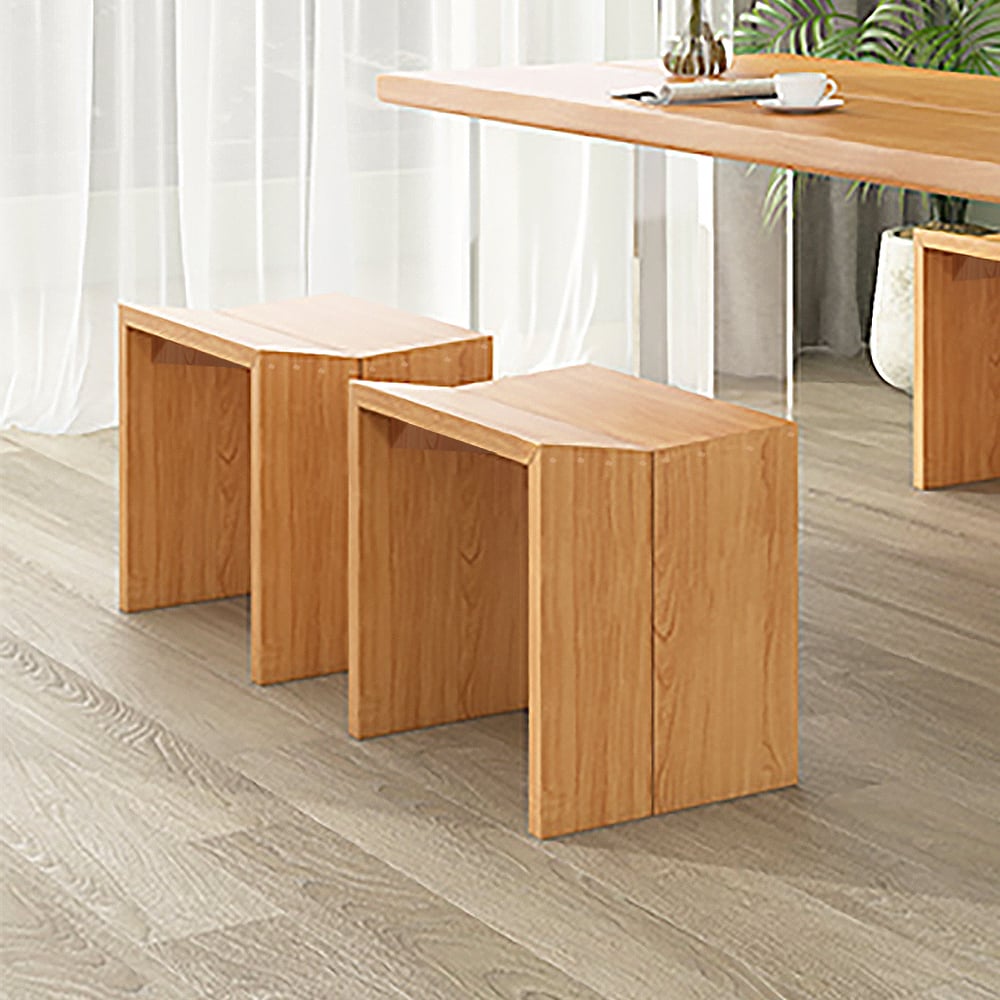
Farmhouse Modern Backless Dining Chair, Wood Dining Stool, Natural (Set of 2), priced at $239.99 with a 5.0 rating across 20 reviews. This is a backless stool-style seat in natural wood, a good fit for a kitchen island or a casual farmhouse table where you want simple, stackable seating that won’t dominate the room visually.
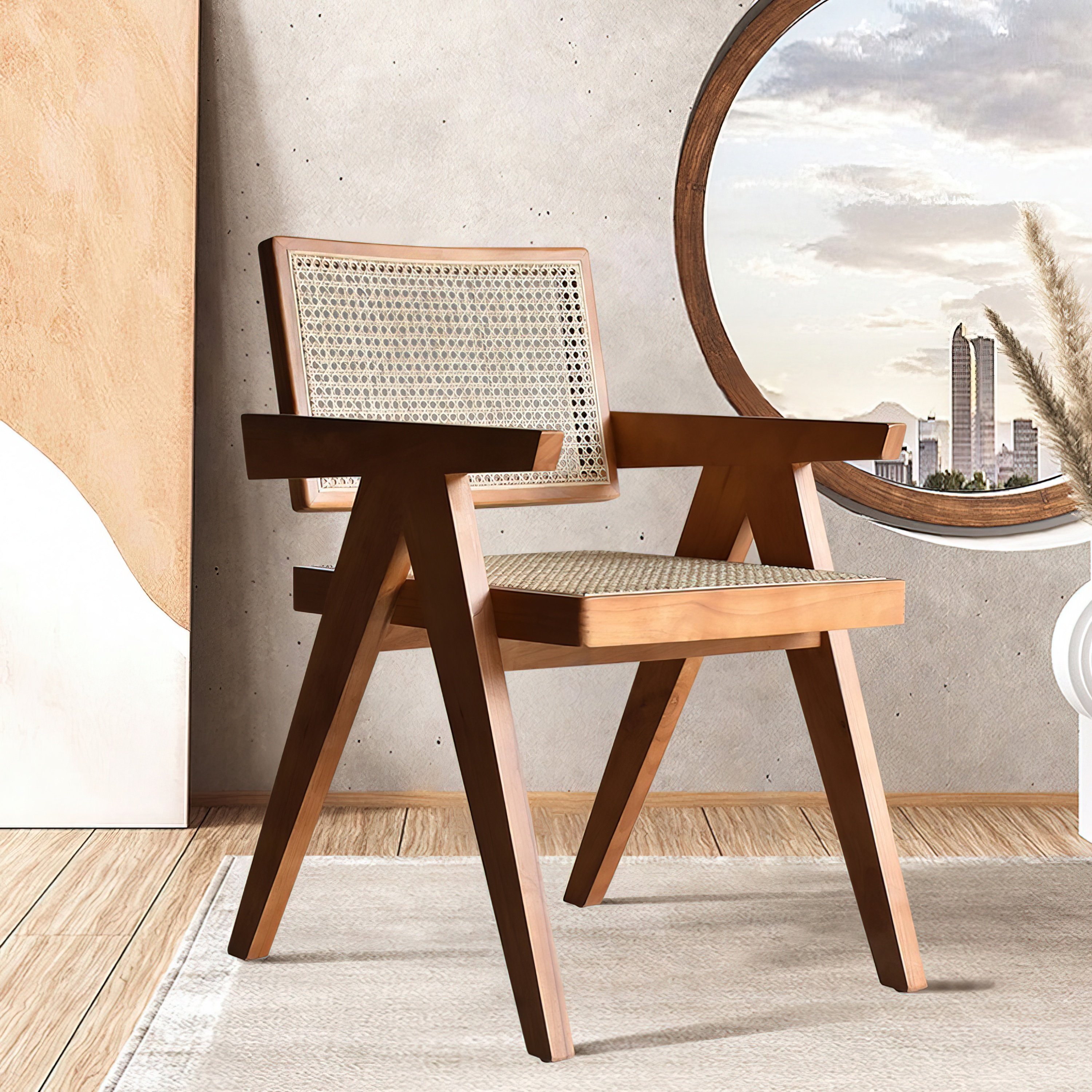
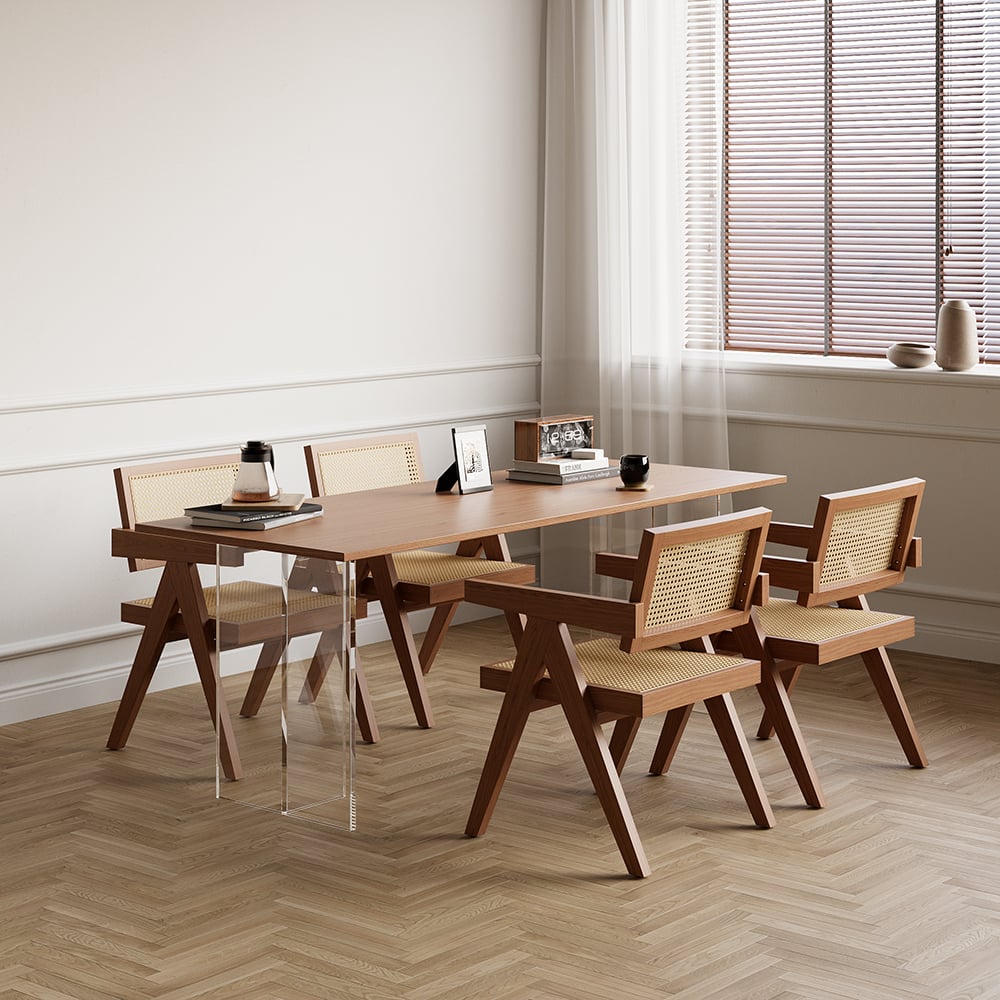
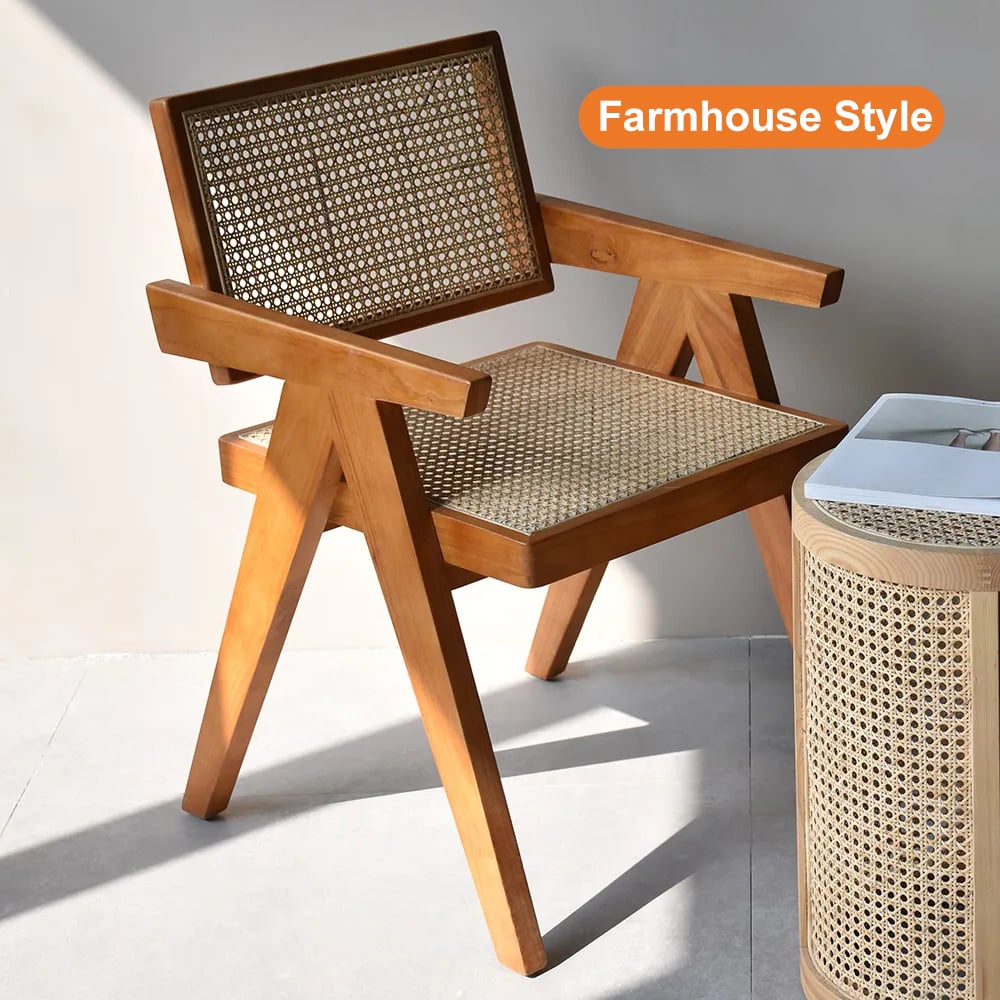
Archic Walnut Wood Dining Chair with Armrest, priced at $249.99 (down from $289.99) with a 4.9 rating across 44 reviews. It pairs a solid wood frame with a woven rattan seat and a solid back for posture support, landing closer to the Japandi-farmhouse crossover look that shows up often in “modern farmhouse” search results. It’s sold individually, so you can mix armchairs at the ends of your table with side chairs along the length.
Homary’s dedicated “farmhouse style” filter on its main dining chair category currently comes back close to empty, since most of its dining chair catalog leans modern, velvet, or PU leather rather than classic ladder-back or cross-back farmhouse construction. If you want a full matched set of 6 or 8 true farmhouse ladder-back chairs, Amish furniture makers and dedicated farmhouse retailers (the kind that show up directly for “farmhouse dining chairs” searches) currently have deeper selection in that specific silhouette than general modern furniture retailers do. Pairing one or two Homary pieces as accent or end chairs with a farmhouse-style set from a specialty retailer is a reasonable way to get both real wood construction and the classic silhouette.
Key Takeaways
- Farmhouse chairs are defined by simple joinery, natural or painted wood, sturdy build, and a ladder-back, Windsor, or cross-back shape, not by any single color or brand.
- Budget 24 inches of table edge per diner when deciding how many chairs your table can hold, and measure your actual table before assuming a “seats 6” listing fits your room.
- Wood chairs cost less and clean up easier; upholstered chairs cost more but sit more comfortably for long meals. Tie-on cushions can bridge the gap.
- A bench on one side, matched in wood tone and seat height to your chairs, adds seating without adding floor clutter.
If you already have a farmhouse table picked out, start with the chair width and seat height that table’s manufacturer recommends, then shop within that range instead of falling in love with a chair first and hoping it fits later.
FAQ
What is considered a farmhouse dining chair? A farmhouse dining chair is a simply built chair, usually solid wood or a wood frame with fabric upholstery, featuring visible joinery and a classic silhouette like ladder-back, Windsor, or cross-back. It favors sturdy, functional design over ornate or highly polished details.
How many chairs do I need for a farmhouse dining table? Divide the usable length of your table by 24 inches per person to find how many chairs fit comfortably on each side, then add chairs for the ends if the table is at least 36 inches wide. A 60-inch table typically seats 4, and a 72-inch table typically seats 6.
Are farmhouse dining chairs comfortable for long dinners? Bare wood chairs can feel firm after an hour without a cushion, while upholstered farmhouse chairs or wood chairs with tie-on cushions hold up better for longer meals. Adding a seat cushion to wood chairs is a simple way to improve comfort without changing the look.
Can I mix different farmhouse dining chair styles at one table? Yes, mixing is a common farmhouse technique, as long as the wood tones or finishes relate to each other and the seat heights match. A common combination is matching side chairs with two different armchairs at the head and foot of the table.
Is it okay to pair a bench with farmhouse dining chairs? Yes, pairing a bench with chairs is one of the most popular farmhouse dining combinations. Keep the bench seat height close to the chair seat height (usually 17 to 19 inches) and match the wood finish so the set looks intentional rather than mismatched.
What wood is best for farmhouse dining chairs? Oak and ash are the most durable hardwood choices for daily use, while pine and rubberwood are common in mid-range chairs and still hold up well with normal care. Engineered wood or wood veneer chairs are the least durable option and are better suited to occasional use.
How wide is a standard farmhouse dining chair? Most farmhouse dining chairs run 18 to 22 inches wide, including armrests if the chair has them. Wider armchairs are usually reserved for the ends of a table, while narrower side chairs line the long sides.
What is the difference between a ladder-back and a cross-back farmhouse chair? A ladder-back chair has horizontal wood slats stacked up the back like the rungs of a ladder, while a cross-back (or X-back) chair has a crisscross pattern in the lower back panel. Both are classic farmhouse silhouettes, and the choice usually comes down to personal preference rather than one being more “authentic” than the other.
Do farmhouse dining chairs need to match the table exactly? No, farmhouse style actually favors a slightly collected, not-perfectly-matched look, so chairs in a different wood tone than the table can still work if the overall room feels cohesive. What matters more is that the chair height and style suit the table’s height and formality.
How much should I expect to spend on a full set of farmhouse dining chairs? A set of 4 solid wood farmhouse chairs in the mid-range typically costs $400 to $1,000 total, while budget engineered wood sets can run under $400 and premium hardwood or upholstered sets can exceed $2,000. Price per chair typically runs from $100 to $250 for a solid, durable option that isn’t custom-built.