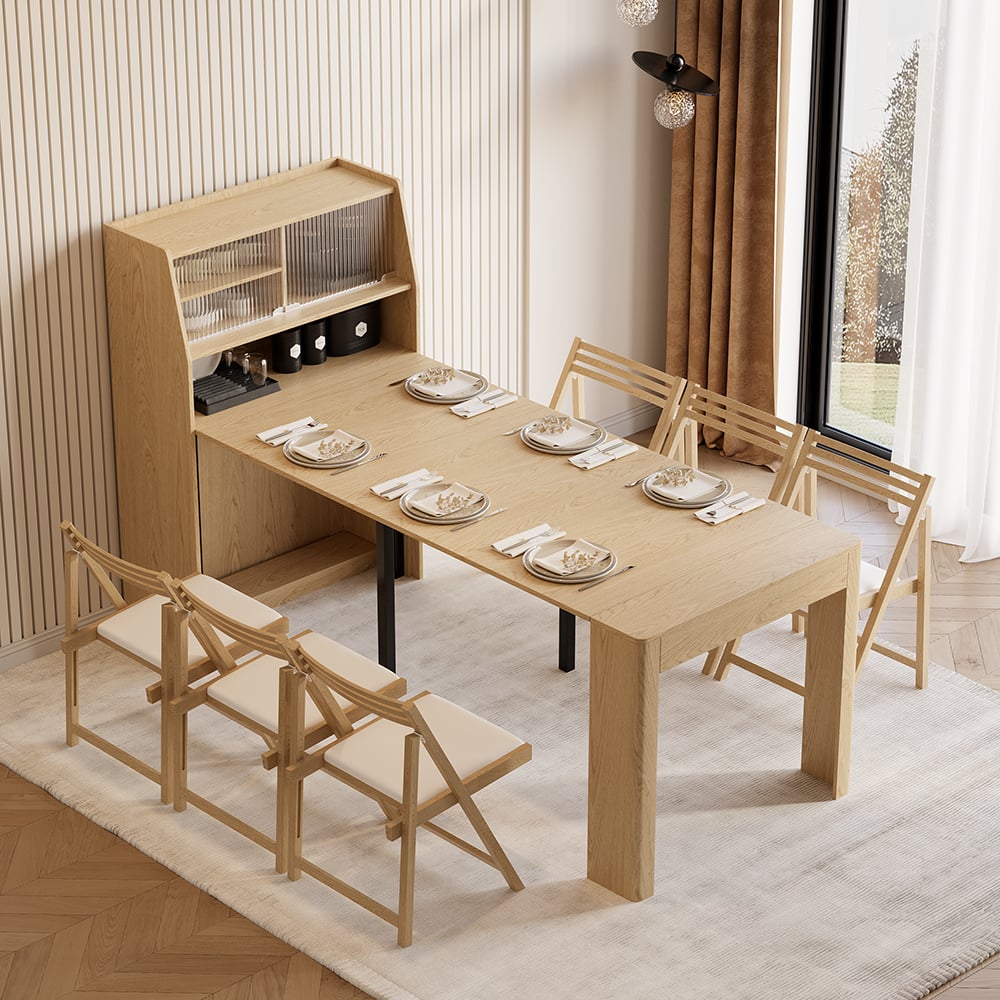
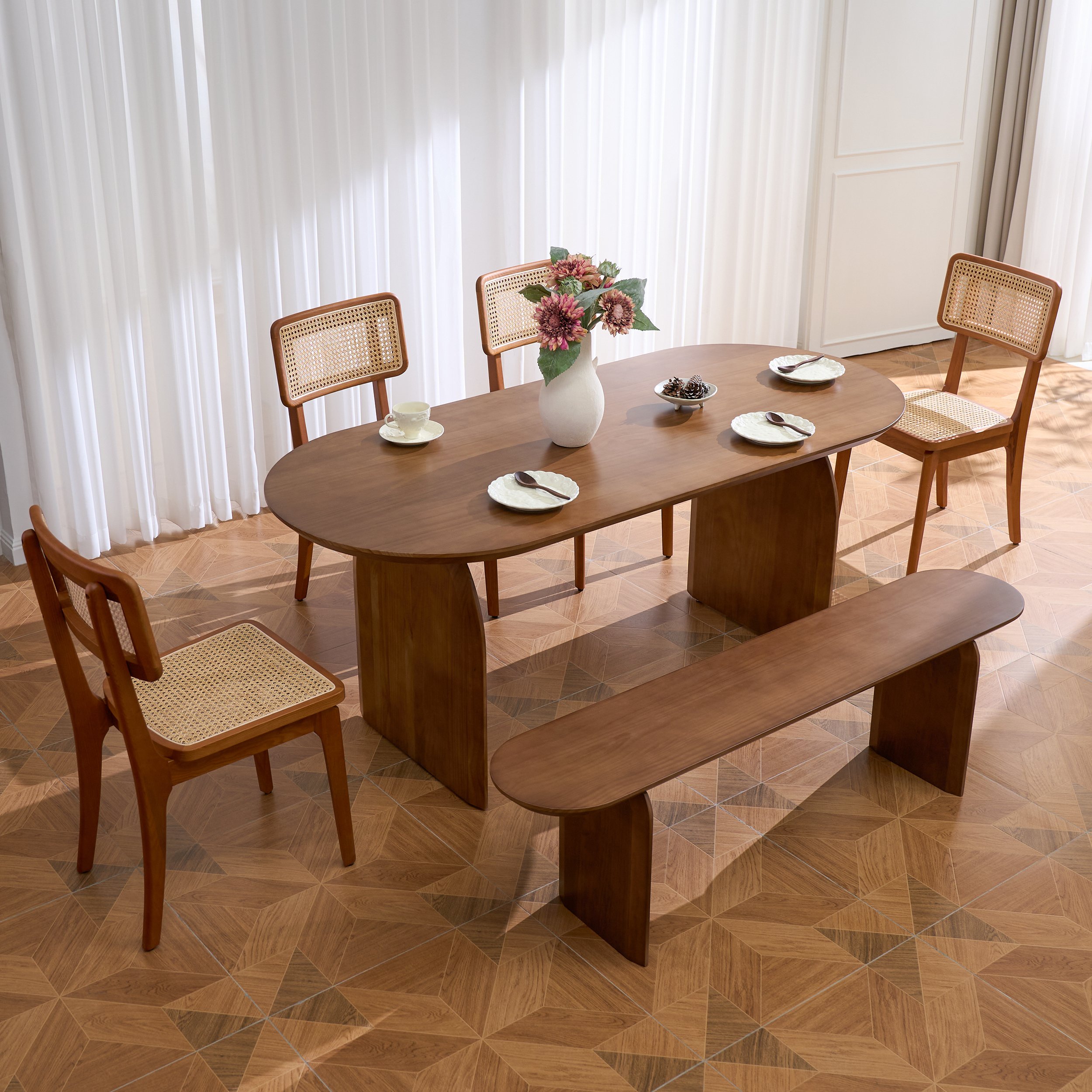
A reclaimed wood dining table can run $2,000 more than a new-wood table that looks almost the same in a photo. That price gap confuses a lot of shoppers, and it’s a fair thing to question before you spend real money on a table that will sit in your kitchen for the next 20 years.
What “reclaimed wood” actually means
Reclaimed wood is lumber that already lived a full life somewhere else before it became your table. It gets pulled from old barns, factories, warehouses, or other structures that are being torn down or dismantled, then cleaned, de-nailed, and re-milled into boards for furniture.
Direct answer: A reclaimed wood farmhouse dining table is built from lumber salvaged from an existing structure, such as a century-old barn or a decommissioned factory, rather than from freshly cut trees. The wood is stripped of hardware, cleaned, and re-milled before it’s built into a table, so the finished piece keeps marks from its original life, like nail holes, saw lines, and color variation.
This is different from wood that’s simply old. A tree that fell in a storm and got milled isn’t reclaimed, it’s just salvaged timber from nature. Reclaimed wood specifically comes from something people built.
Why reclaimed wood costs more than new wood
New lumber goes from tree to sawmill to furniture factory in a fairly short, automated chain. Reclaimed wood does not get that shortcut, and every extra step adds cost.
Labor. Someone has to physically dismantle the source structure, or buy wood that’s already been taken down. Every board then gets checked for old nails, screws, and staples, which have to be pulled out by hand or with a metal detector, since a saw blade hitting a hidden nail can ruin both the blade and the board. After that, the wood gets re-milled, planed, and often kiln-dried again to kill off insects and stabilize moisture.
Limited supply. New lumber is grown on a schedule and cut on demand. Reclaimed wood only exists in the quantity that old barns, mills, and factories happen to be giving up in a given year. A supplier can’t just order more 100-year-old oak beams when they run out.
Sourcing and sorting. Not every board from a torn-down barn is usable. Rot, insect damage, and structural cracks take a chunk of material out of play, so suppliers pay for a full truckload of wood knowing a portion of it will be scrap.
Sustainability appeal. Buyers are willing to pay a premium for a product with a lower environmental footprint, and reclaimed wood sellers price accordingly.
Here’s a rough breakdown of where the extra cost tends to come from:
| Cost driver | New wood table | Reclaimed wood table |
|---|---|---|
| Raw material | Freshly milled lumber, consistent supply | Salvaged boards, inconsistent supply |
| Prep labor | Cut and plane | De-nail, clean, re-mill, re-dry |
| Waste rate | Low | Higher (rot, cracks, hidden metal) |
| Lead time | Fast, often in-stock | Slower, batch-dependent |
| Price premium | Baseline | Often 30% to 100% higher for solid reclaimed pieces |
How to tell if a table is genuinely reclaimed or just styled to look rustic
This is where a lot of shoppers get misled. “Farmhouse style” and “reclaimed wood” are not the same claim, and plenty of tables borrow the look without the material.
Ask or check for these things before you trust a “reclaimed” label:
- Does the listing say where the wood came from? Genuine reclaimed wood sellers usually name a source type, like “reclaimed barnwood” or “salvaged factory oak.” Vague phrases like “rustic finish” or “distressed look” are a signal the wood is new and has just been sanded or stained to look aged.
- Look for real, irregular marks. Old nail holes, saw kerf marks, and slight color shifts between boards are hard to fake convincingly across an entire tabletop. A distressed finish on new wood tends to repeat the same “wear” pattern in a way real reclaimed wood never does, because real reclaimed boards each have their own history.
- Check the weight and grain. Reclaimed wood, especially old-growth barn lumber, is often denser and tighter-grained than fast-grown new lumber, since old trees grew slower.
- Ask about certification. Some reclaimed wood is certified by third-party programs that verify chain of custody, meaning the seller can document where the wood actually came from.
- Be skeptical of “reclaimed look” or “reclaimed style” wording. That phrasing is a hint the product is not actually reclaimed. It’s new wood finished to resemble it.
None of this makes a “rustic style” table bad. A new-wood farmhouse table with a distressed finish is a perfectly good choice for a lot of budgets and homes. The problem is only when it’s priced or marketed as if it were genuinely reclaimed.
Care differences: what to expect from real reclaimed wood
A genuinely reclaimed table will look and behave a little differently than a brand-new one, and knowing this ahead of time keeps you from being disappointed.
More visible character. Nail holes, old screw marks, saw lines, and streaks of darker or lighter tone across the same tabletop are common. This is the wood’s history showing through, not a manufacturing flaw. If you want a perfectly even, uniform surface, reclaimed wood is not the right fit.
Wider natural movement. Reclaimed boards can react a little more to humidity changes than fresh-milled wood, especially if the re-drying process wasn’t thorough. Keep the table away from direct heating vents and big swings in humidity to limit gaps or slight warping over time.
Simple cleaning routine. A soft cloth with a mild wood cleaner is enough for regular care. Skip harsh chemical cleaners, which can strip the finish and dry out the wood faster than normal.
Occasional resealing. Because reclaimed wood tends to be more porous in spots (old nail holes, cracks, saw marks), it can benefit from a fresh coat of oil or sealant every year or two, more often than a factory-sealed new-wood table typically needs.
Small imperfections are the point. If a nail hole or color variance bothers you, ask the seller before buying whether the piece can be filled or sanded more heavily. But keep in mind that flattening out all the character is basically asking for a new-wood table at a reclaimed-wood price.
The sustainability angle, and whether it holds up
The core sustainability claim behind reclaimed wood is straightforward and checks out: using wood that already exists, instead of cutting down new trees, reduces demand for freshly harvested lumber. Wood pulled from a demolished barn or factory would otherwise often end up in a landfill, so reusing it also cuts down on waste from demolition projects.
That said, the sustainability upside depends on the supply chain being honest. A table stamped “eco-friendly reclaimed wood” that’s actually new lumber with a distressed finish delivers none of that environmental benefit, it’s just new wood with better marketing. This is another reason the verification steps above matter: if you specifically want the table for its lower environmental footprint, you need the wood to actually be reclaimed, not just styled that way.
Is a Homary table a fit for this look?
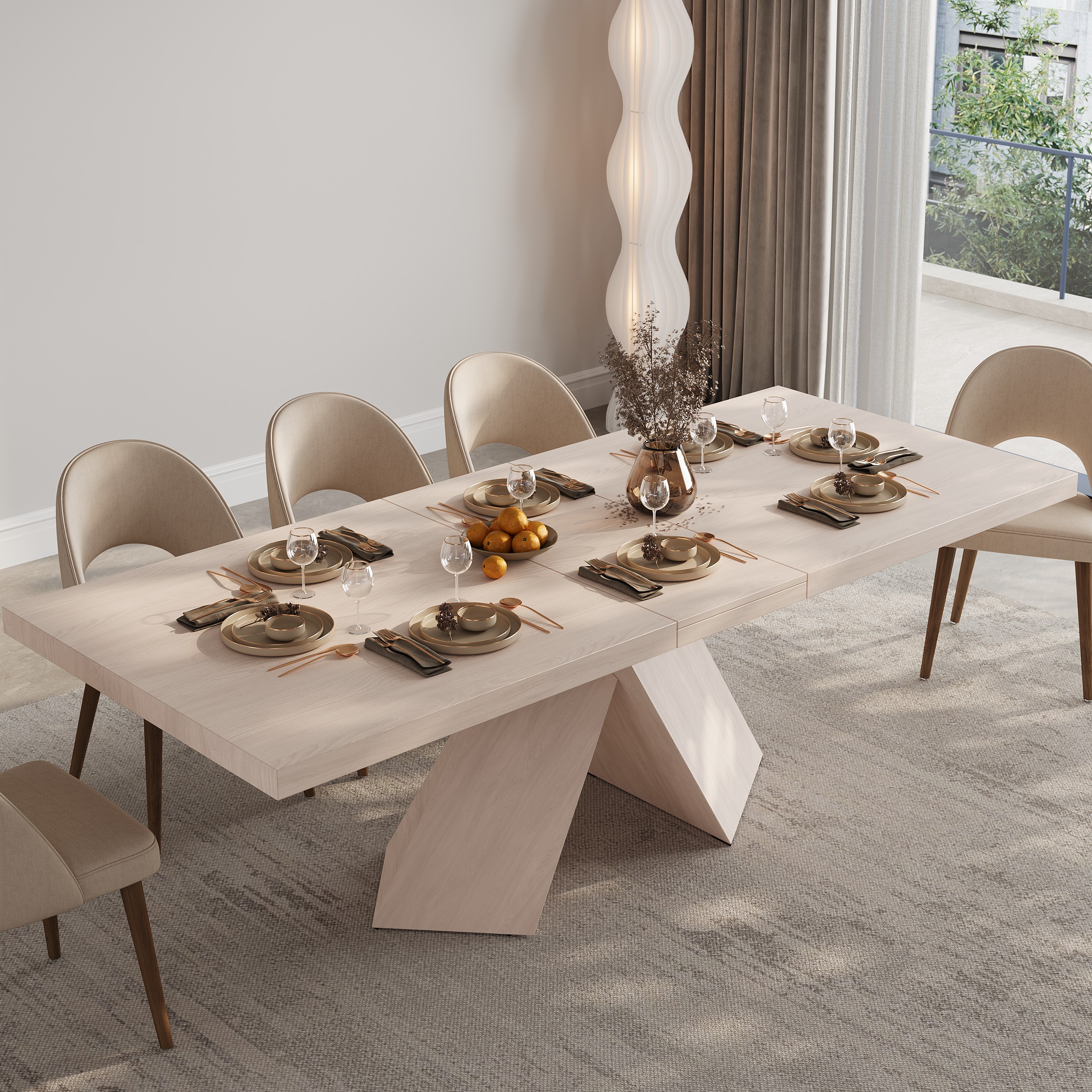
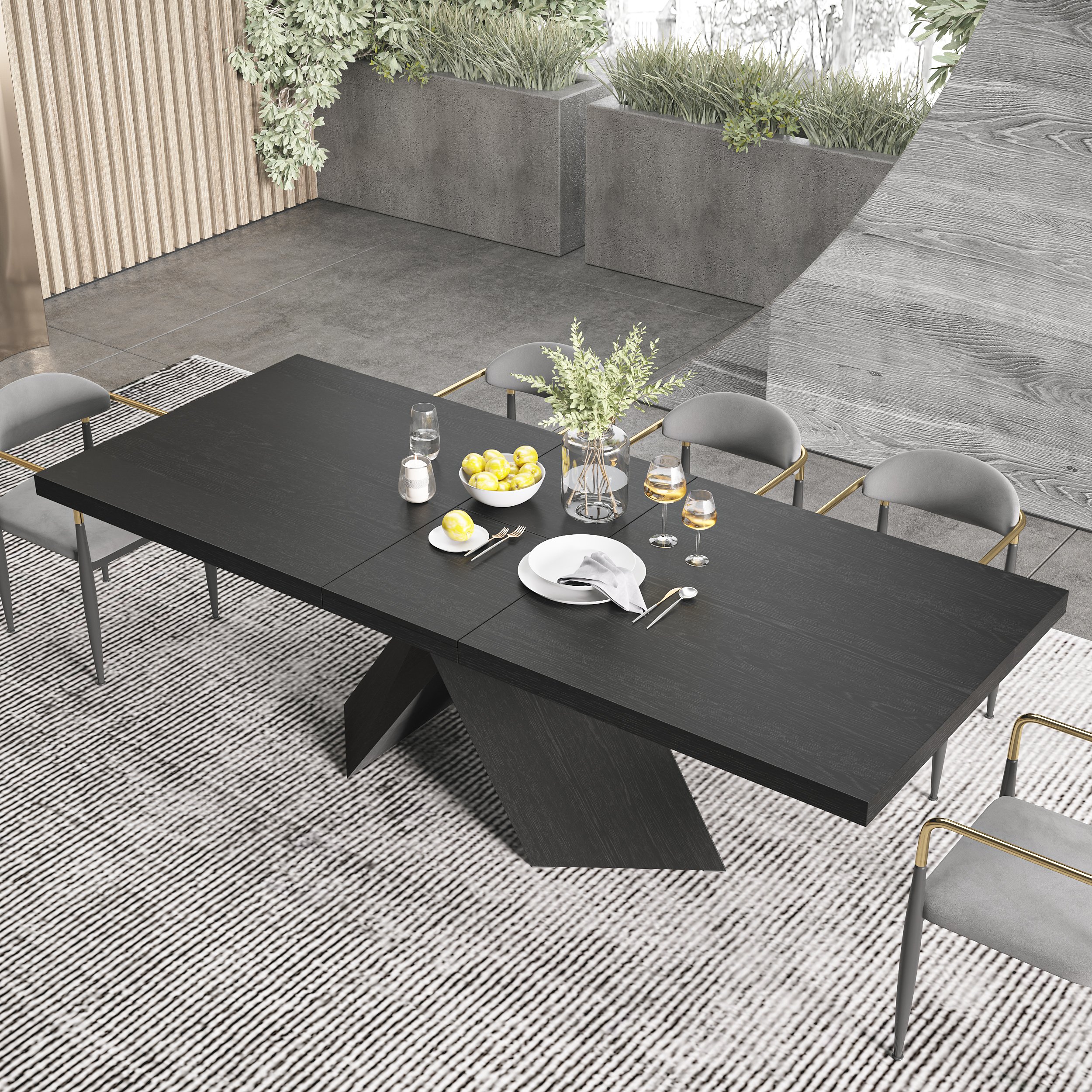
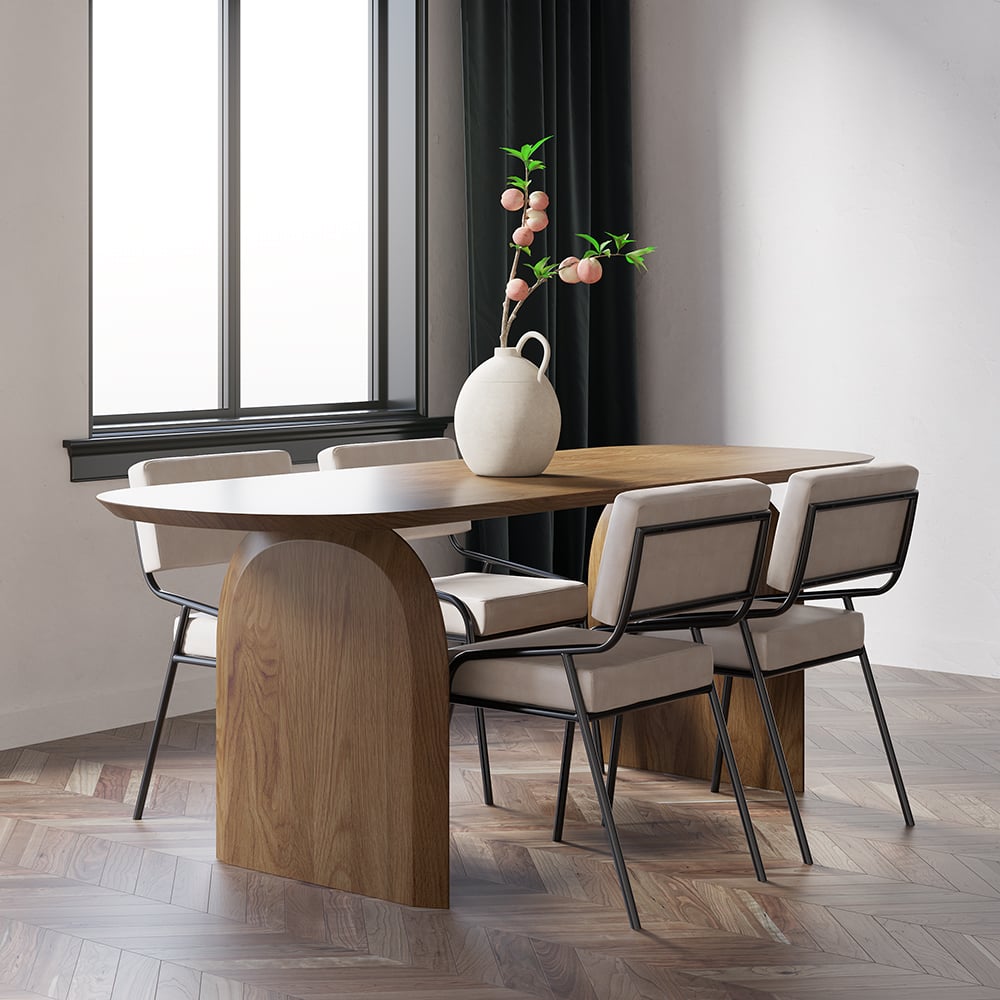
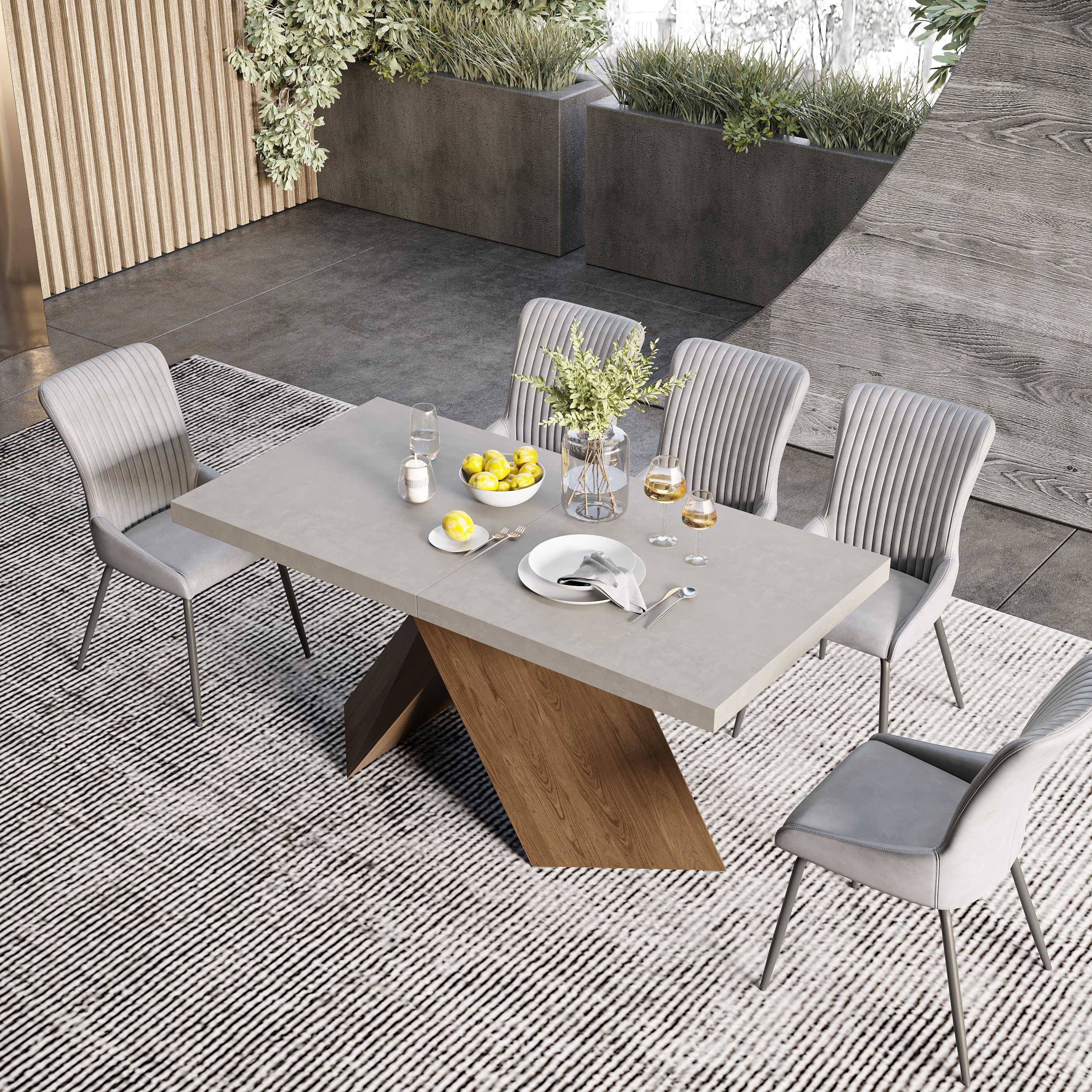
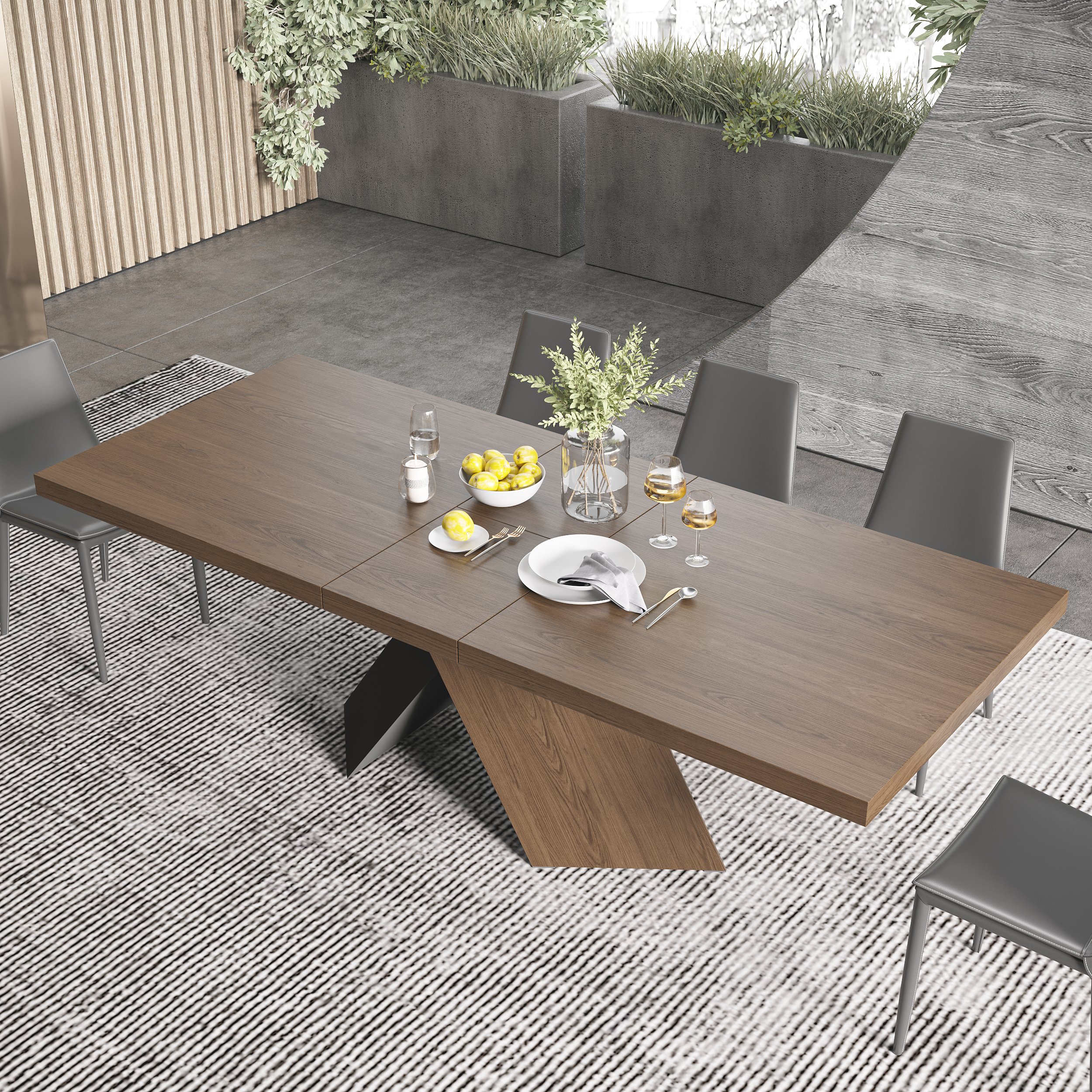
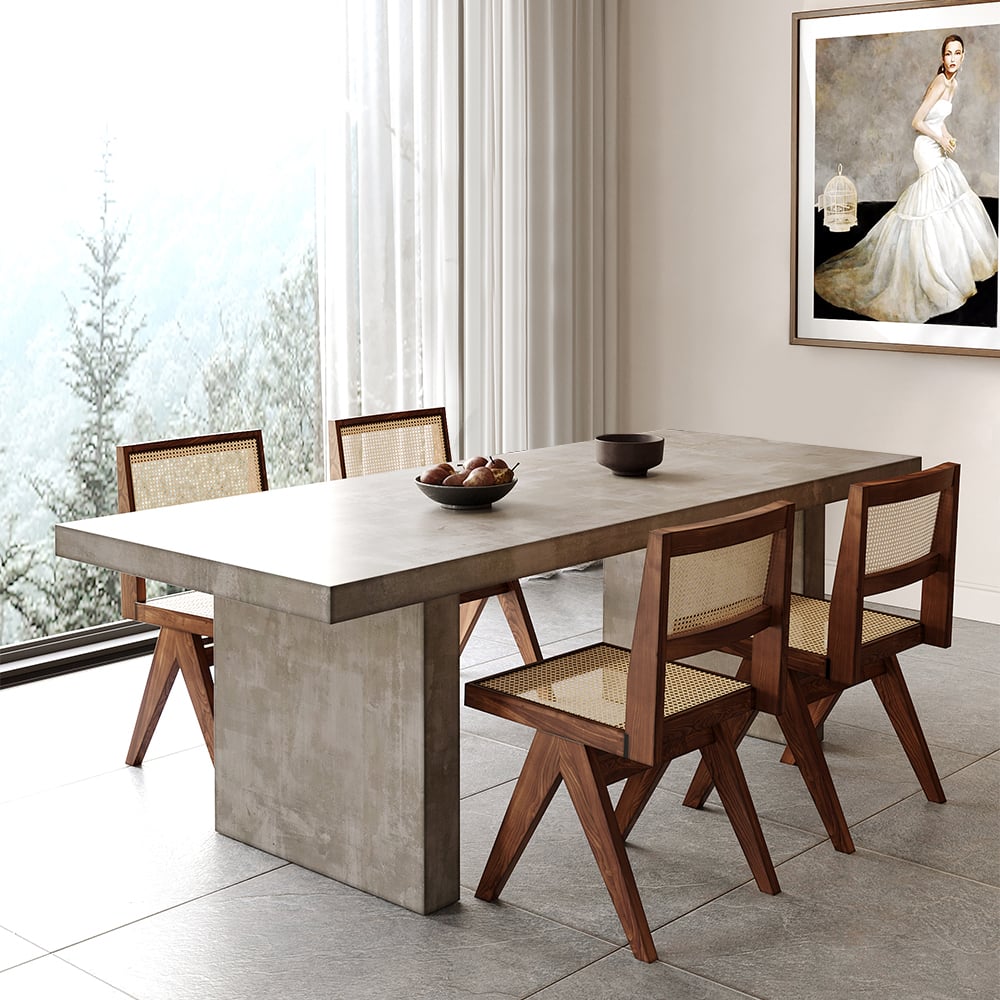
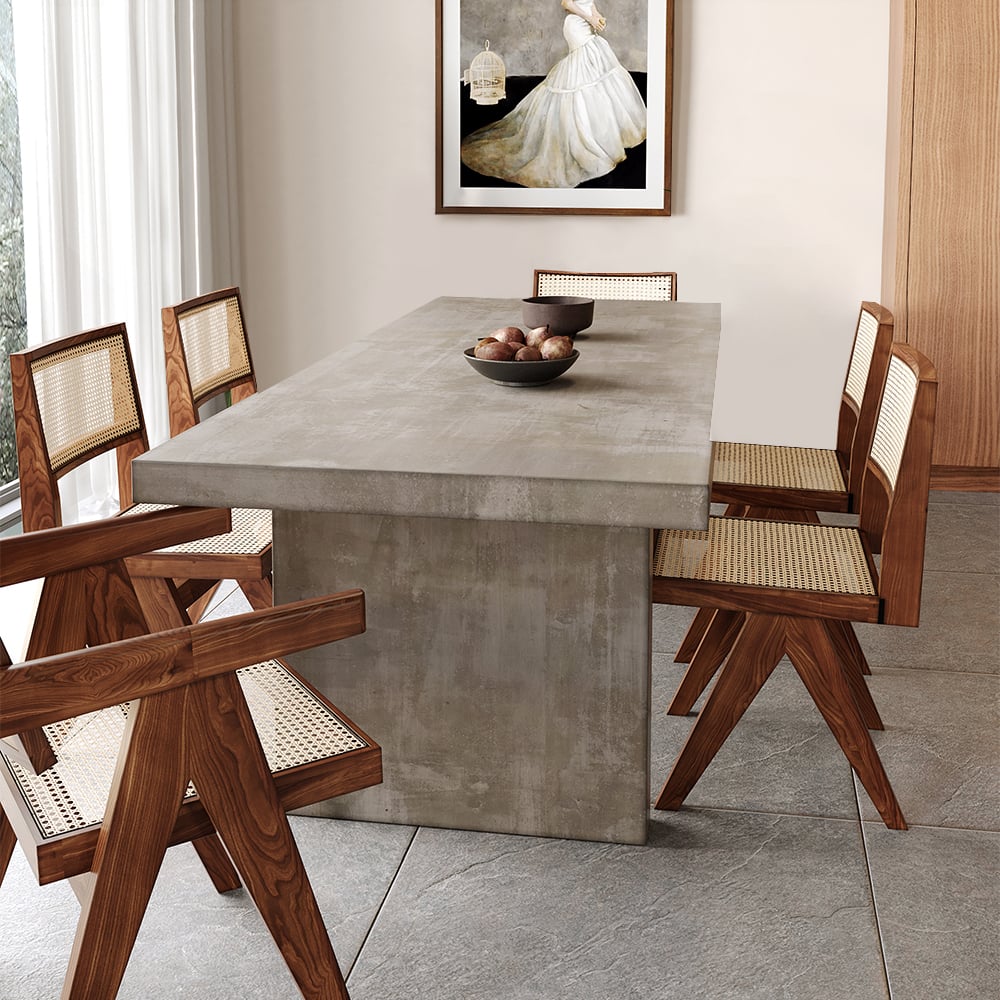
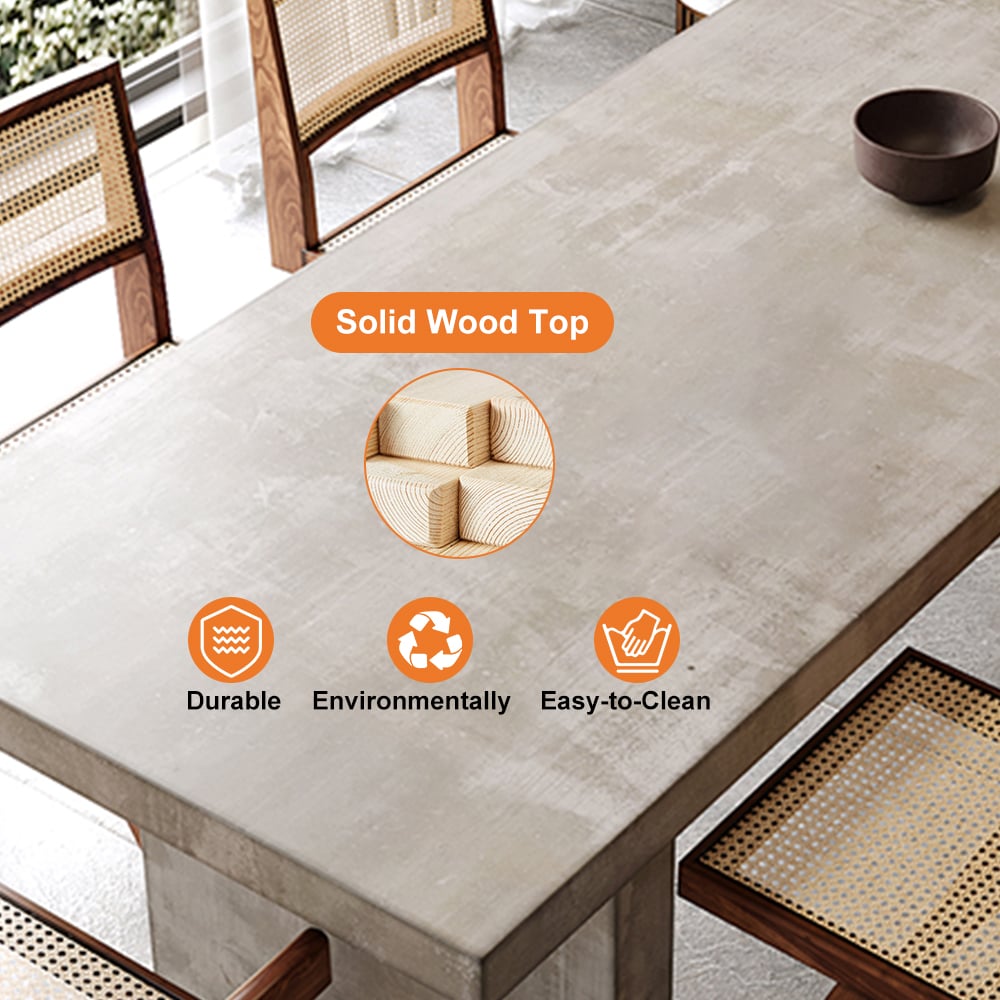
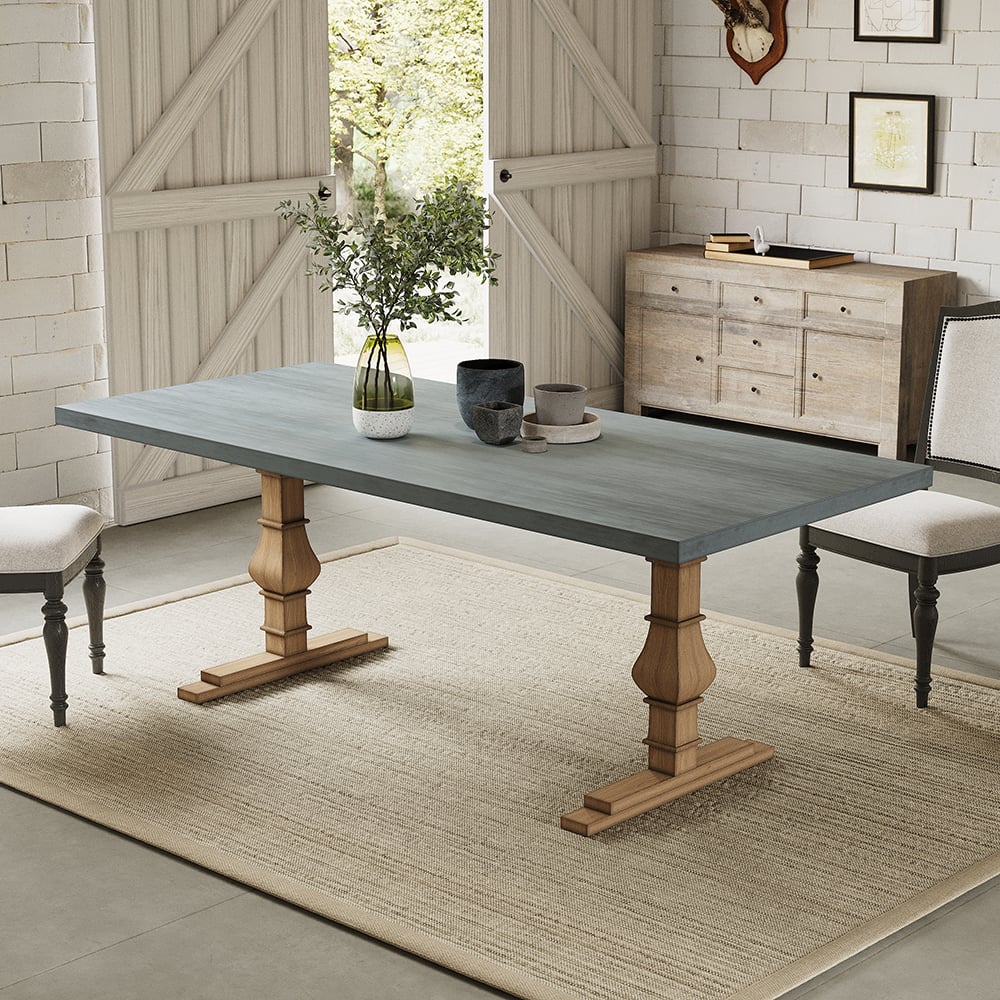
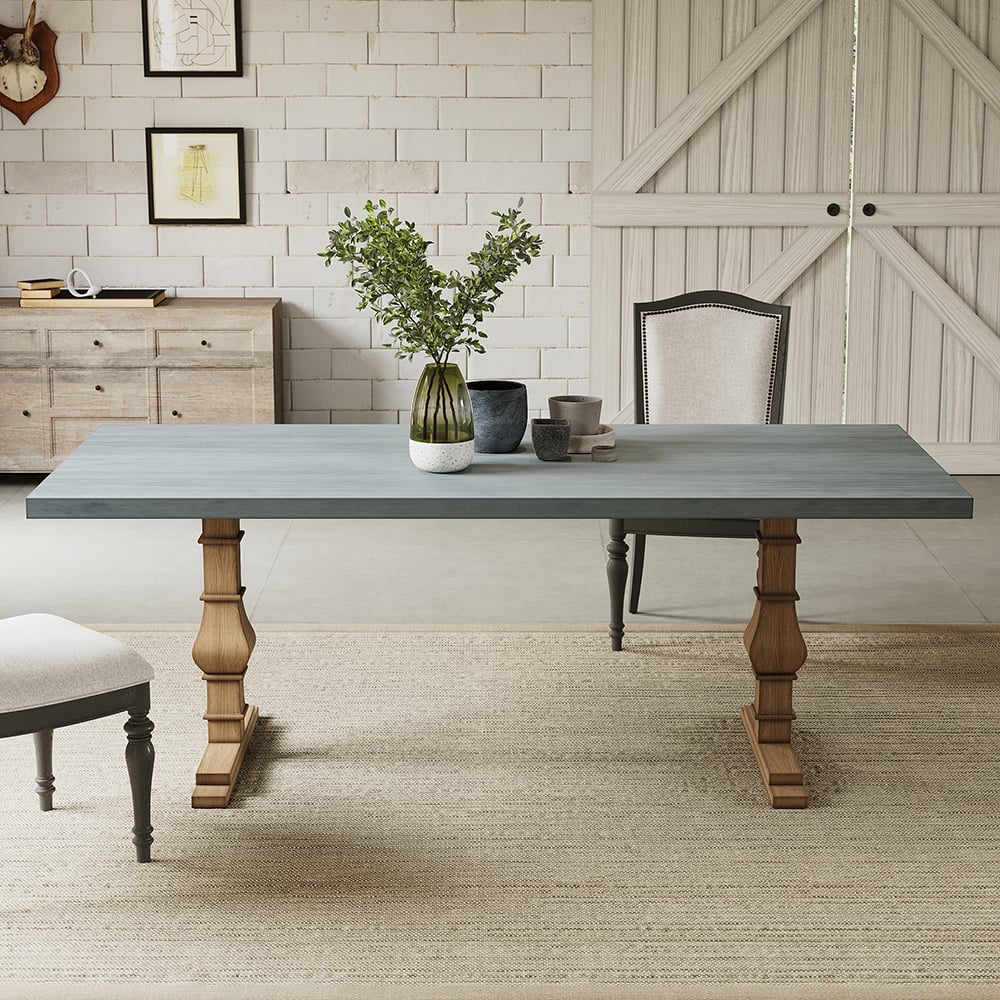
We checked Homary’s current furniture catalog specifically for a genuine reclaimed wood dining table. As of this writing, Homary’s dining and farmhouse-style tables are built from new materials, walnut veneer, oak, sintered stone, and similar modern finishes, styled in clean or transitional lines rather than marketed as salvaged or reclaimed lumber. We could not find a table on Homary described or sourced as genuinely reclaimed wood, so we’re not going to label one as such just to fill a slot. If you specifically want verified reclaimed wood, look for retailers who specialize in it and name their source material directly, using the checklist above to confirm the claim before you buy.
Key takeaways
- Reclaimed wood comes from real structures like barns and factories, not just old trees, and the extra labor to de-nail and re-mill it is the main reason it costs more.
- Genuine reclaimed wood sellers name their source material. Vague “rustic” or “distressed” language on a listing usually means new wood styled to look old.
- Nail holes, saw marks, and tone variation on a reclaimed table are normal character, not defects, though the wood can need more frequent resealing than new wood.
- The sustainability claim is real and verifiable, reusing existing wood cuts demand for new lumber, but only if the wood is actually reclaimed and not just marketed that way.
If you’re set on the real thing, ask direct sourcing questions before buying anywhere, and don’t assume “farmhouse style” automatically means reclaimed material.
FAQ
What is the difference between reclaimed wood and recycled wood? Reclaimed wood is salvaged whole or in large sections from a structure like a barn or factory and re-milled for a new use. Recycled wood usually refers to smaller scrap material, like sawdust or offcuts, that gets reprocessed into composite products such as particleboard.
Is reclaimed wood furniture more durable than new wood furniture? It can be, since a lot of reclaimed lumber comes from old-growth trees that grew slowly and developed a tighter, denser grain. That said, durability also depends on how well the wood was dried and re-milled, so quality varies by supplier.
Why does reclaimed wood have nail holes and marks? Those marks are left over from the wood’s original use, like where it was nailed into a barn frame or factory floor. Sellers typically leave them visible on purpose, since they’re part of what makes each board unique.
Can reclaimed wood have bugs or rot? Reputable suppliers inspect and treat reclaimed wood for insects and rot before selling it, and often kiln-dry it again to kill any remaining pests. Buying from an established seller who can describe their prep process lowers this risk.
How much more does a reclaimed wood table cost than a regular one? Based on typical reclaimed lumber suppliers, solid reclaimed wood tables often run 30% to 100% more than a comparable new-wood table, largely due to the labor of de-nailing, re-milling, and sorting usable boards.
Does reclaimed wood need special care? It benefits from the same basic care as any solid wood table, a soft cloth and mild cleaner, kept away from direct heat sources, with an occasional fresh coat of oil or sealant every year or two.
Is “rustic” the same as “reclaimed”? No. Rustic describes a style, often achieved with distressing techniques on new wood. Reclaimed describes the wood’s actual origin, meaning it was physically salvaged from an existing structure.
Is reclaimed wood actually better for the environment? Yes, when it’s genuinely reclaimed. Reusing existing wood reduces demand for newly harvested lumber and keeps material out of landfills, though the benefit only applies if the wood is truly salvaged rather than new wood marketed with eco-friendly language.
How do I know if a listing is telling the truth about reclaimed wood? Look for a named source, like “reclaimed barn oak” or “salvaged factory pine,” rather than vague words like “rustic” or “vintage-inspired.” Sellers who are upfront about sourcing usually welcome direct questions about where the wood came from.
Are reclaimed wood tables worth the extra cost? For buyers who care about the material’s history and lower environmental footprint, many find it worth paying more for genuine reclaimed wood. For buyers who mainly want the farmhouse look on a tighter budget, a well-made new-wood table styled in a similar way is a reasonable and honest alternative, as long as it’s sold as what it actually is.