A friend of mine painted her oak dining table white during a weekend project three years ago. She still loves the look. She also now keeps a bottle of touch-up paint in the kitchen drawer, because a white table shows every scrape a dark one would hide. That trade-off is the whole story of this style, and it’s worth understanding before you buy one.
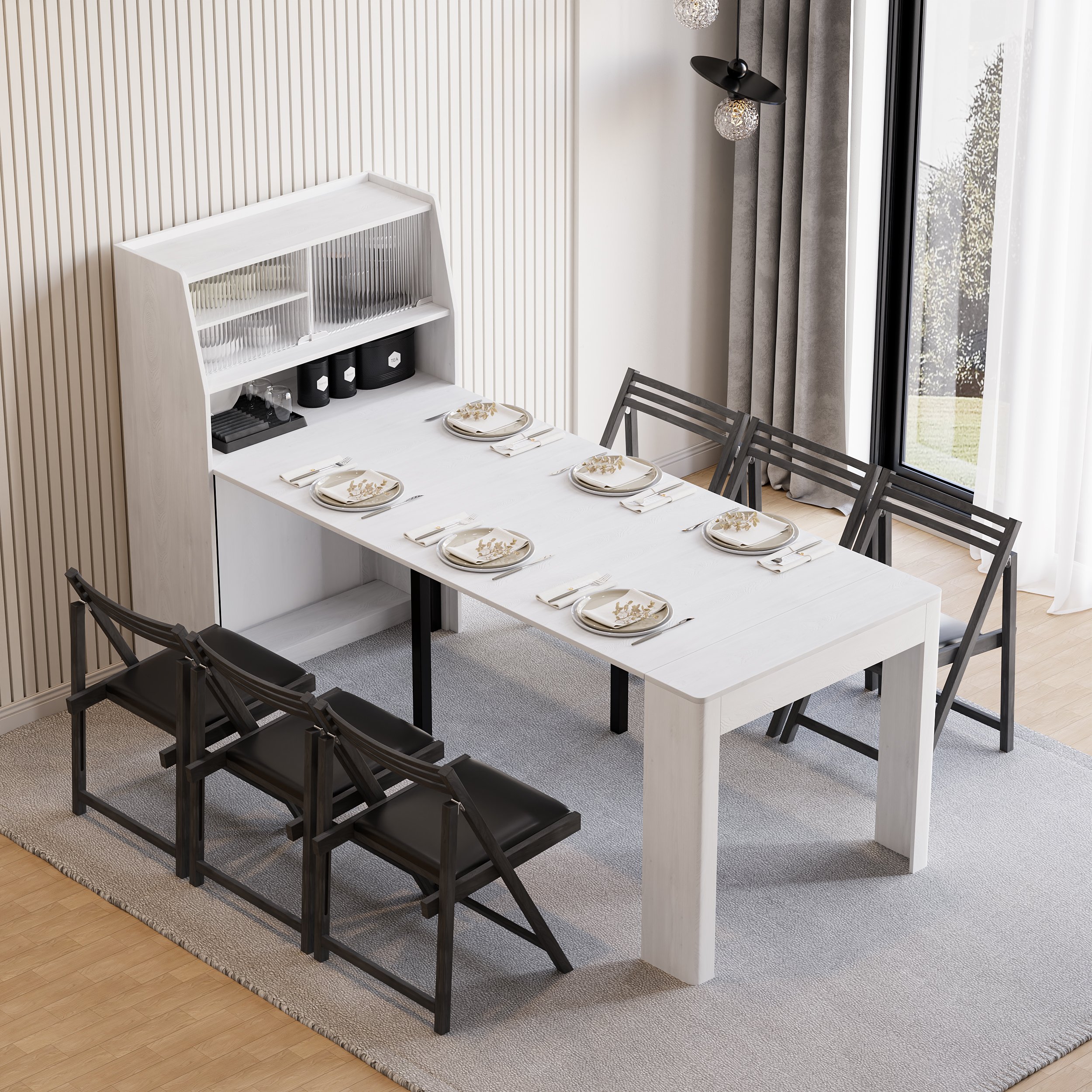
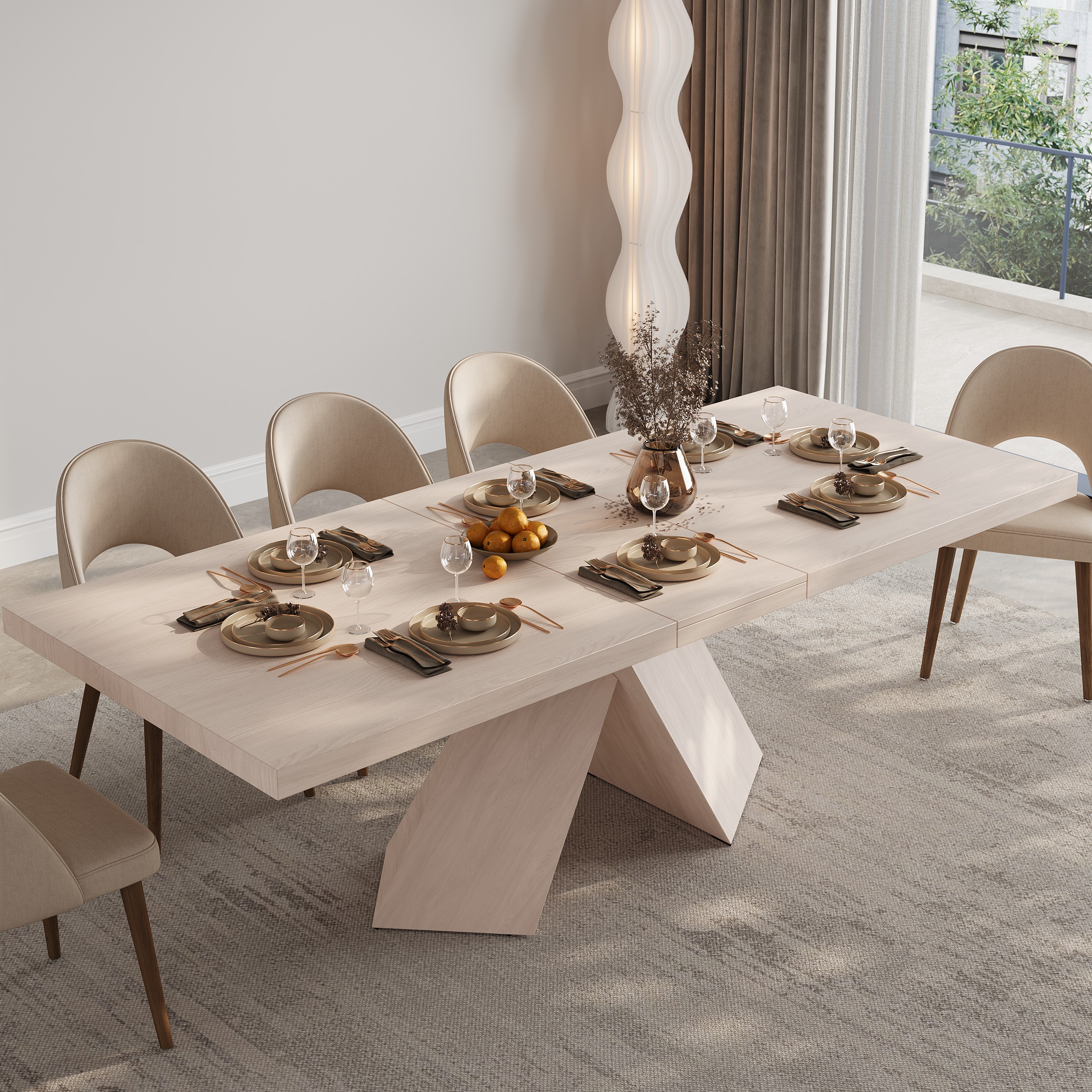
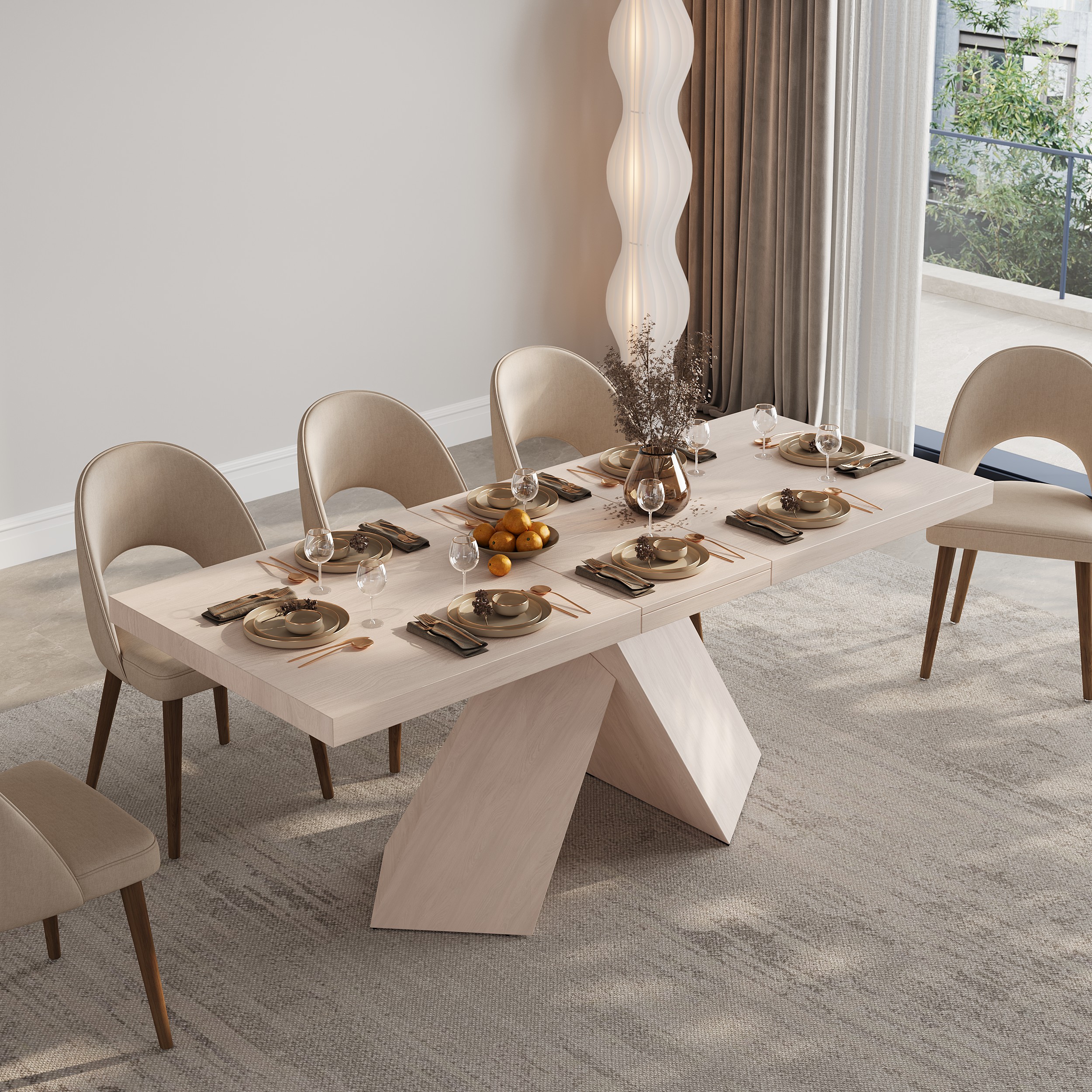
A white farmhouse dining table is a wood dining table, usually with a trestle, turned-leg, or X-brace base, finished in a painted or whitewashed white to give it a bright, cottage-style look. It pairs the relaxed, sturdy shape of farmhouse furniture with a lighter finish than the traditional dark or natural wood tables the style started with. The result works in modern farmhouse, coastal, and cottage-style kitchens alike.
Why White Became a Farmhouse Favorite
Farmhouse design started with plain, functional wood tables built for big families and long meals. Over the past decade, the look shifted toward brighter rooms, and white finishes followed that shift.
A white tabletop or base reflects light instead of absorbing it, so a dining nook with one window can still feel open. It also reads as more casual and less formal than a dark wood table, which fits the relaxed, lived-in feel farmhouse style is built around.
There’s a practical reason too. White is a neutral. A white table doesn’t compete with wall color, rugs, or seasonal decor, so people who like to change up their dining room don’t have to replace the table every time they repaint.
Painted White vs. Whitewashed: Two Different Looks
This is the part most buying guides skip, and it matters more than the name suggests. “White farmhouse table” can mean two different finishes with different upkeep.
Painted white wood has an opaque coat of paint over the wood, so the grain is hidden or barely visible. It looks cleaner and more uniform, closer to a solid-color piece of furniture. Most painted tables use a durable finish coat (often a polyurethane or lacquer topcoat over the paint) to resist water rings and scratches.
Whitewashed or weathered white uses a thinned white stain or wash that soaks into the wood, so the grain and texture show through. It looks softer and more rustic, closer to reclaimed barnwood. Many distressed farmhouse tables use this finish on purpose, sometimes adding sanded edges or worn spots to look aged.
| Feature | Painted White | Whitewashed / Weathered White |
|---|---|---|
| Look | Solid, clean, uniform color | Grain and wood texture visible |
| Coverage | Opaque, hides the wood underneath | Semi-transparent, wood shows through |
| Best fit | Modern farmhouse, cottage, coastal | Rustic, traditional farmhouse, reclaimed-wood style |
| Scratch visibility | Chips can expose bare wood underneath | Scuffs blend more easily into the texture |
| Touch-ups | Needs matching paint and a topcoat | Easier to blend with a light stain wipe |
| Typical price range | Similar to whitewashed, varies by wood and brand | Similar to painted, varies by wood and brand |
Neither finish is objectively better. Painted white gives a crisper, more polished look. Whitewashed gives more texture and forgives small dings more easily because the unevenness is part of the design.
What Chairs and Wood Tones Pair Well With a White Table
A white table is a blank canvas, which is both the appeal and the challenge. Here’s what tends to work.
Natural or light wood chairs. Oak, ash, or light pine chairs next to a white table is the classic modern farmhouse combination. The wood grain adds warmth so the room doesn’t feel too stark or cold.
Black or dark-stained chairs. A white table with black metal or dark wood chairs creates contrast that reads as more current and less “country kitchen.” This pairing shows up a lot in modern farmhouse and industrial-farmhouse rooms.
Mixed seating. Two wood chairs on the ends (as captain’s chairs) with painted or upholstered chairs along the sides is a common farmhouse trick. It adds visual interest without matching everything perfectly, which fits the informal spirit of the style.
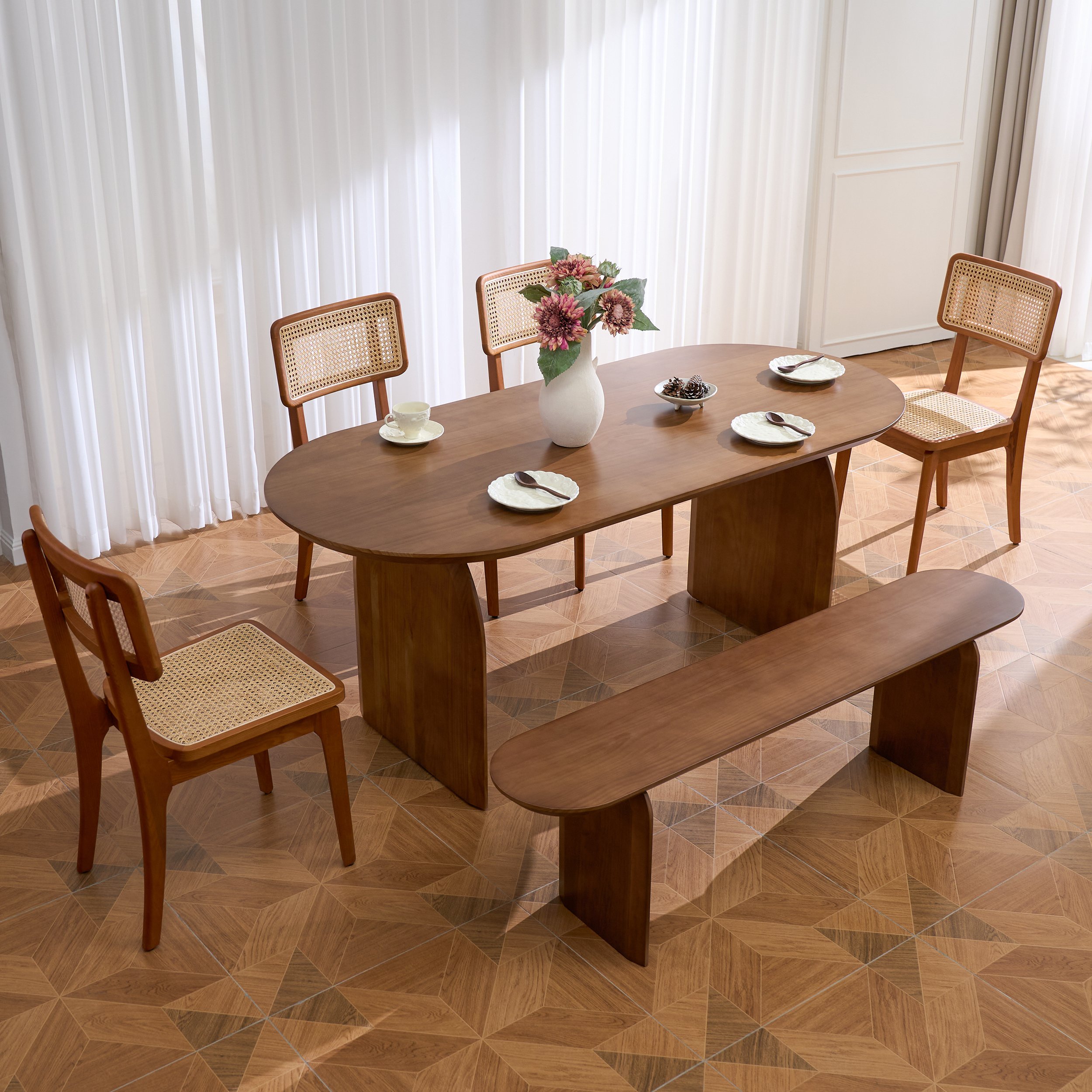
Woven or rattan seats. Cane-back or rattan chairs next to a white table lean the room toward coastal or French country, which is a popular offshoot of farmhouse style.
A rule of thumb: pick one dominant wood tone for the chairs (or the floor, if it’s wood) so the room has an anchor color besides white. Too many different wood tones in one small space can look busy rather than curated.
Maintenance: What a White Finish Actually Means Day to Day
This is the part that catches people off guard after they buy. A white finish does not perform worse than a dark one, but every mark on it is more visible, so the maintenance routine needs to be more consistent.
Wipe up spills fast. Red wine, coffee, tomato sauce, and grape juice are the classic stainers on a white surface. A painted or sealed finish resists staining for a few minutes, but the longer liquid sits, the more likely it leaves a shadow, especially on a whitewashed finish where the wood is more exposed.
Use coasters and placemats. Water rings show up on white far more clearly than on a medium or dark wood tone. A cheap set of coasters saves a lot of frustration.
Watch for yellowing. Some painted white finishes can yellow slightly over years of sun exposure or from certain cleaning products. Keeping the table out of direct, all-day sun and using a mild, non-ammonia cleaner slows this down.
Expect visible scuffs from daily use. Silverware drags, kids’ backpacks, and moving chairs will leave small marks over time. On a painted finish, this often means keeping a small bottle of matching touch-up paint on hand. On a whitewashed finish, a light re-wash with the same stain blends new marks in more easily, since the finish is already uneven by design.
Clean with the right products. Avoid abrasive scrub pads and bleach-based cleaners on painted finishes, since they can dull or strip the topcoat. A soft cloth with mild soap and water handles most everyday cleanup.
None of this means a white table is high-maintenance. It means the small habits (coasters, quick wipe-downs, a touch-up kit) matter more than they would with a darker table, because a white surface has nowhere to hide a stain.
A Note on Finding One to Buy
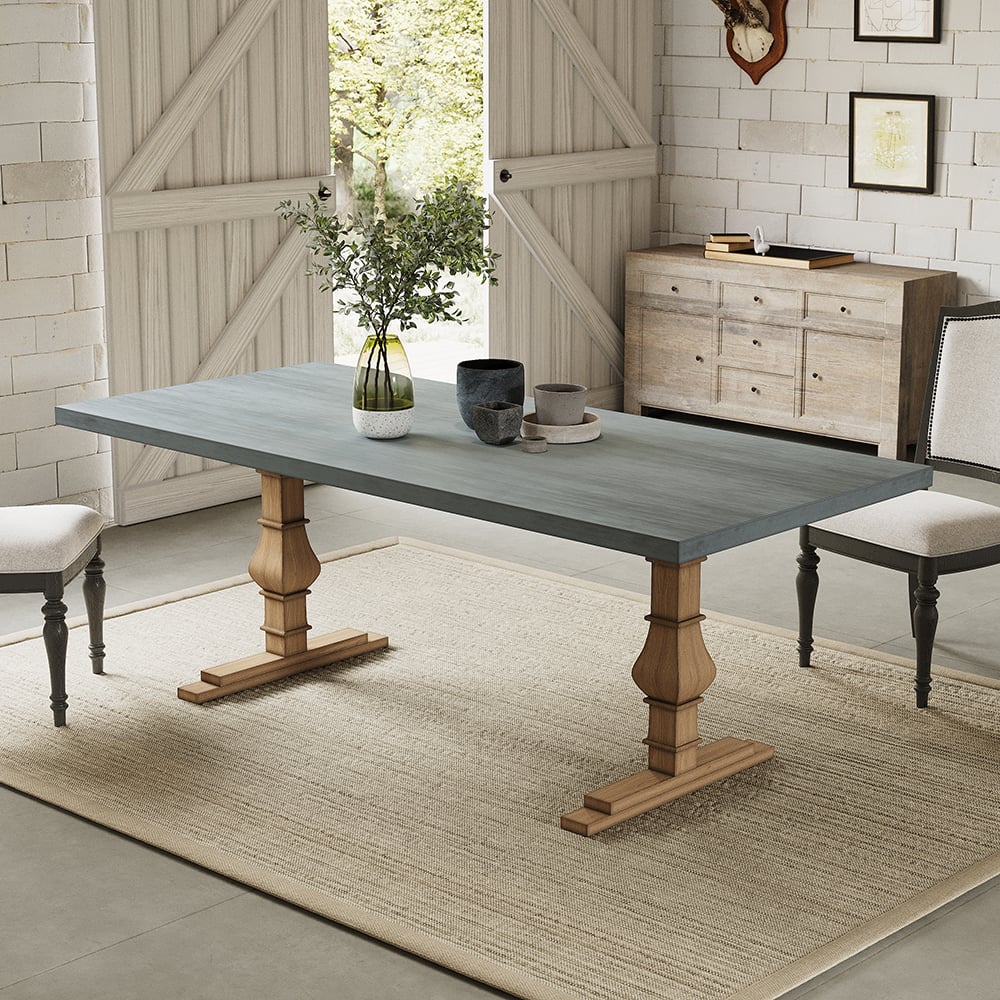
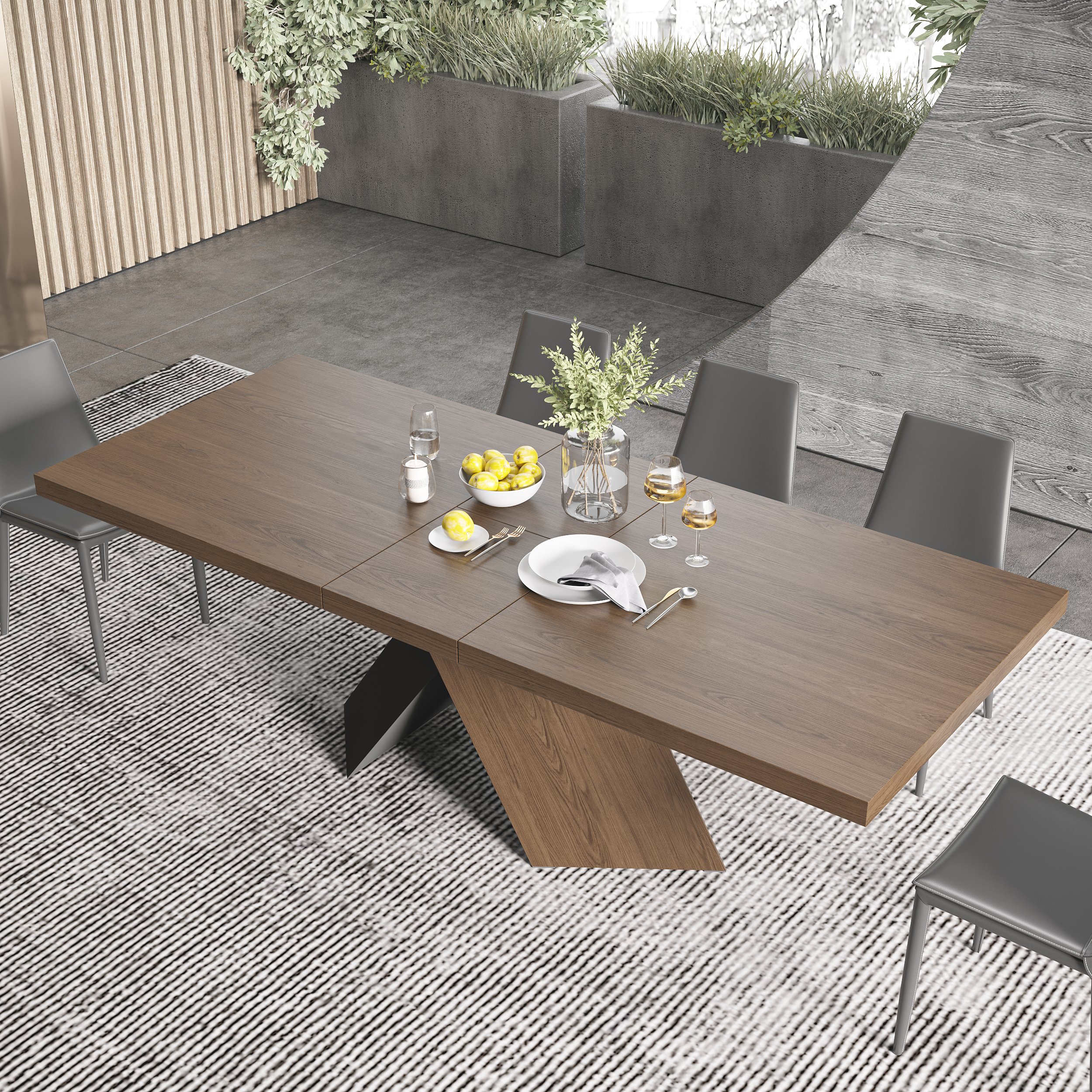
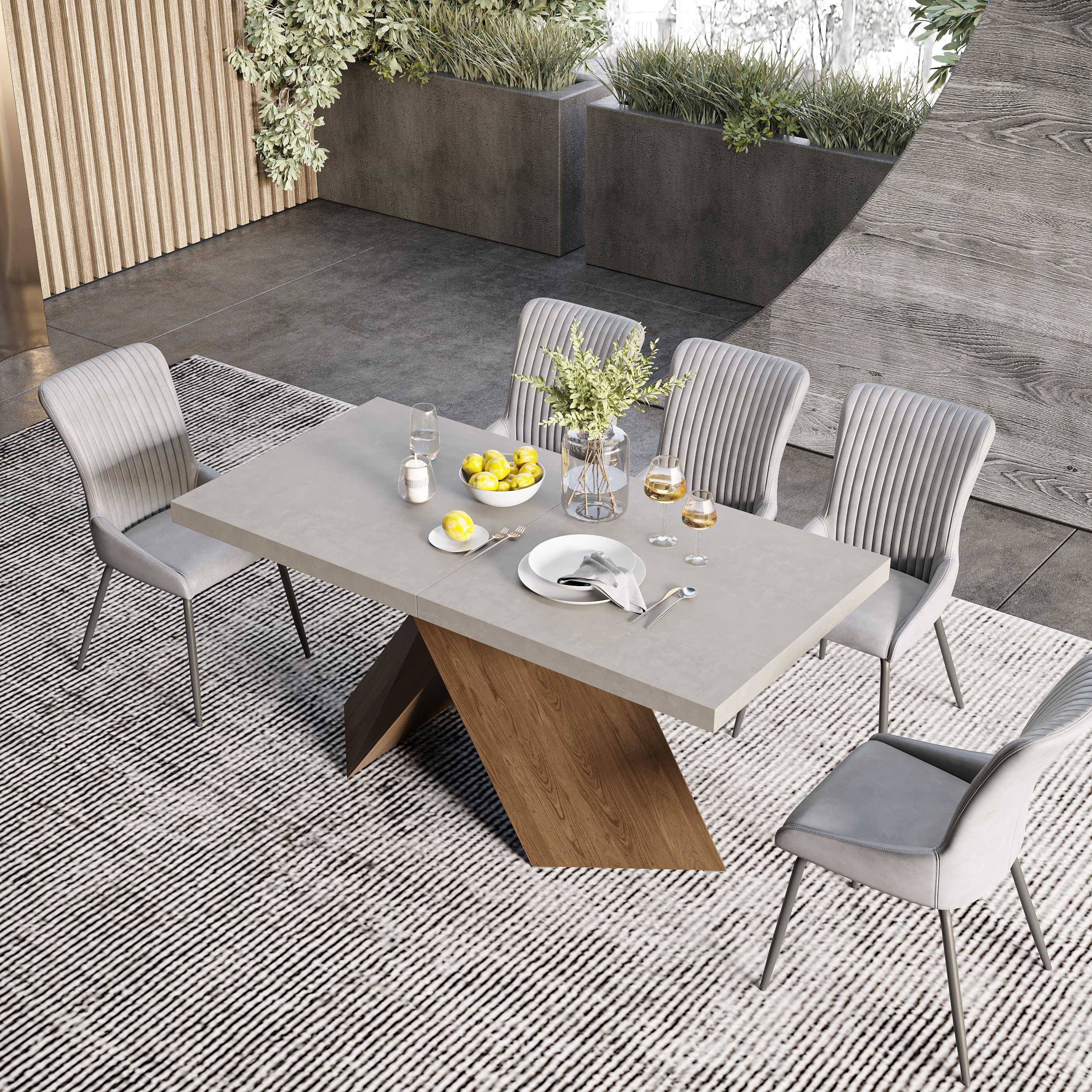
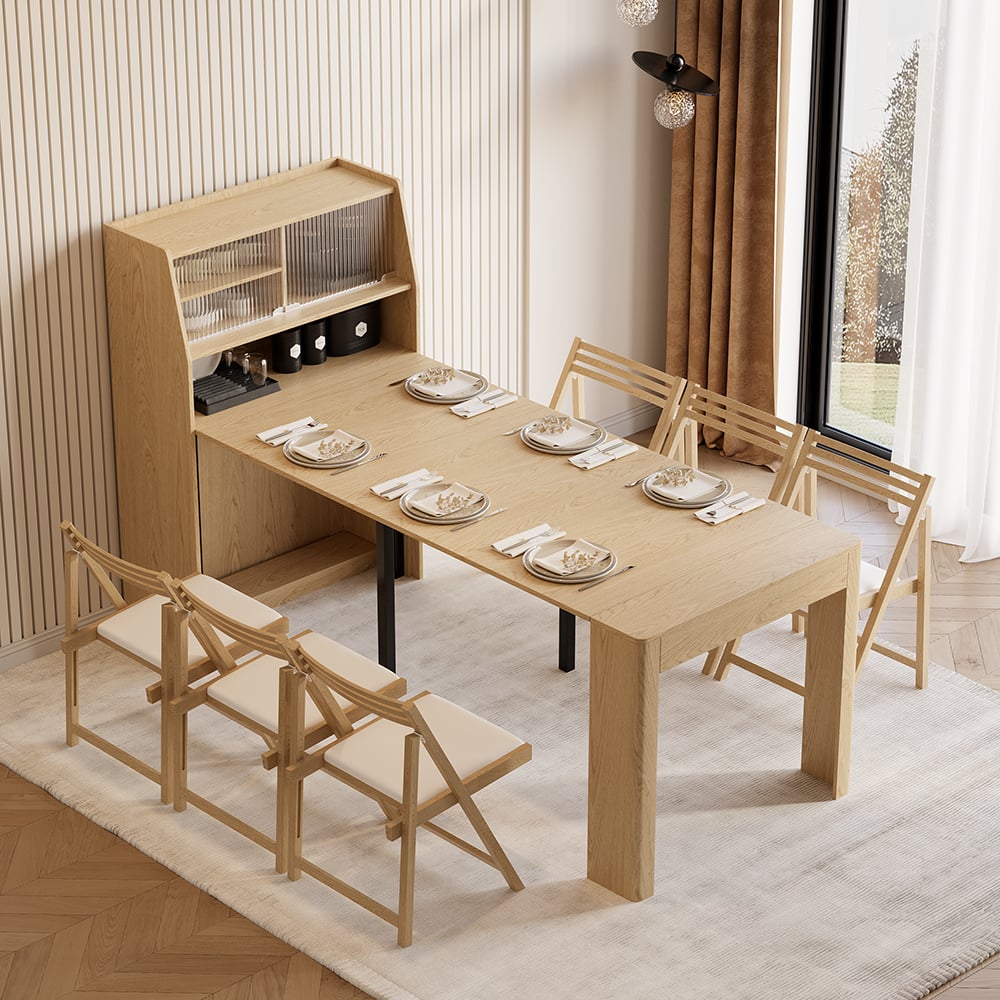
If you’re shopping for a true white or whitewashed farmhouse dining table right now, expect the search to take some digging. Big retailers like Wayfair, Amazon, and Living Spaces carry white farmhouse dining sets, and smaller specialty sellers like Rustic Red Door and Dutch Craft Furniture carry hand-finished versions. At the time of this writing, a direct product search on Homary’s own site for “white farmhouse dining table” and “farmhouse dining table” did not surface any genuine white or whitewashed farmhouse-style dining tables in current stock, the results were dominated by modern, outdoor, and stone-top dining pieces instead. Rather than force in a table that isn’t actually the right style match, it’s worth checking Homary’s dining table category directly for new arrivals, since farmhouse-specific finishes can rotate in and out of stock.
When you do find a candidate online, check the material description closely. “Solid wood” and “wood veneer over engineered wood” perform differently over time, and the listing photos don’t always make the difference obvious.
Key Takeaways
A white farmhouse dining table brightens a room and works with almost any chair style, but it comes in two distinct finishes (painted and whitewashed) that look and age differently. Pair it with natural wood or black chairs to keep the room balanced, and expect to spend a little more effort on coasters, quick cleanup, and occasional touch-ups than you would with a darker table. If you’re comparing options, decide first whether you want the cleaner painted look or the textured whitewashed look, since that choice affects both style and how forgiving the table will be over years of daily meals.
FAQ
What is the difference between a white farmhouse table and a whitewashed one? A white farmhouse table typically has an opaque painted finish that fully covers the wood grain. A whitewashed table uses a thin white stain that lets the wood grain show through, giving it a softer, more textured look.
Do white farmhouse tables show scratches easily? Yes, scratches and scuffs are more visible on white finishes than on medium or dark wood tones, especially on painted surfaces where a chip can expose the bare wood underneath. Whitewashed finishes tend to hide small marks a bit better since the surface already has texture.
What color chairs go with a white farmhouse table? Natural or light wood chairs are the most classic pairing, while black or dark-stained chairs add contrast for a more modern look. Woven or rattan chairs also pair well if you want a coastal or French country feel.
Is a white farmhouse table hard to maintain? It isn’t hard, but it does require more consistent habits than a dark table. Wiping spills quickly, using coasters, and keeping touch-up paint or stain on hand are the main things that keep a white finish looking good.
Will a white dining table yellow over time? Some painted white finishes can yellow slightly with years of sun exposure or from harsh cleaning products. Keeping the table out of constant direct sunlight and using a mild cleaner helps slow this down.
What size white farmhouse table do I need for 6 people? A rectangular table around 60 to 78 inches long comfortably seats 6, depending on chair width and how much elbow room you want. Extendable versions let you go from a 6-seat size up to 8 or 10 for gatherings.
Can I paint an existing wood dining table white myself? Yes, many people do this with a sanded surface, a bonding primer, and a few coats of paint topped with a protective clear coat. The topcoat matters most for durability, since it’s what actually resists scratches and stains day to day.
Is whitewashed or painted white better for a busy household with kids? Whitewashed finishes tend to hide daily scuffs a little more naturally because of their uneven texture, while painted finishes show chips more distinctly but are easier to spot-clean. Either can hold up well with a protective topcoat and regular wipe-downs.
Do white farmhouse tables work in small dining rooms? Yes, white surfaces reflect light and read as less visually heavy than dark wood, which can make a small room feel more open. Round or drop-leaf white farmhouse tables are especially popular for tight spaces.
What wood is typically used for white farmhouse dining tables? Pine, oak, acacia, and mango wood are common choices, since they’re solid enough to hold a painted or whitewashed finish well. Solid wood tables generally hold up to touch-ups and refinishing better than engineered wood or veneer versions.