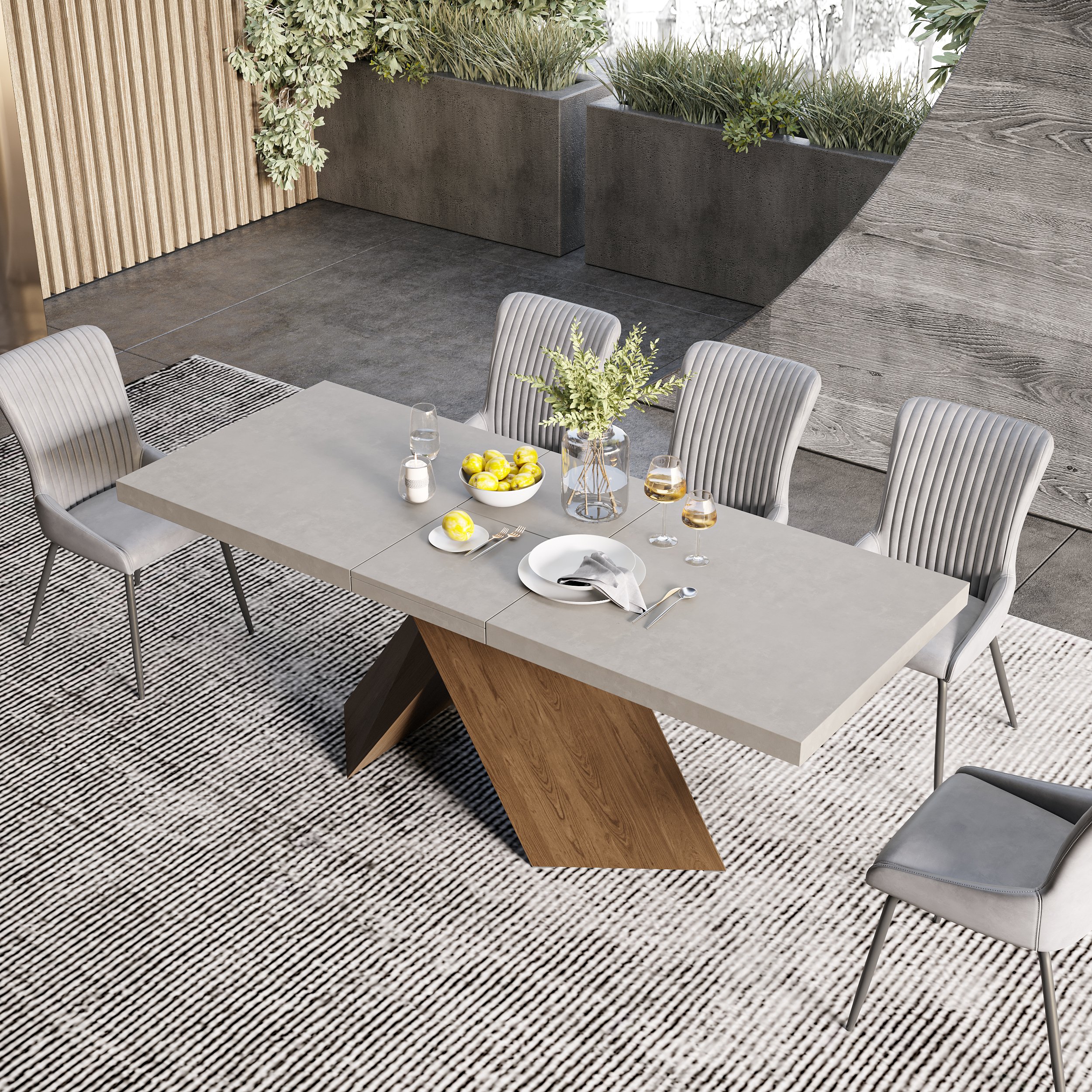
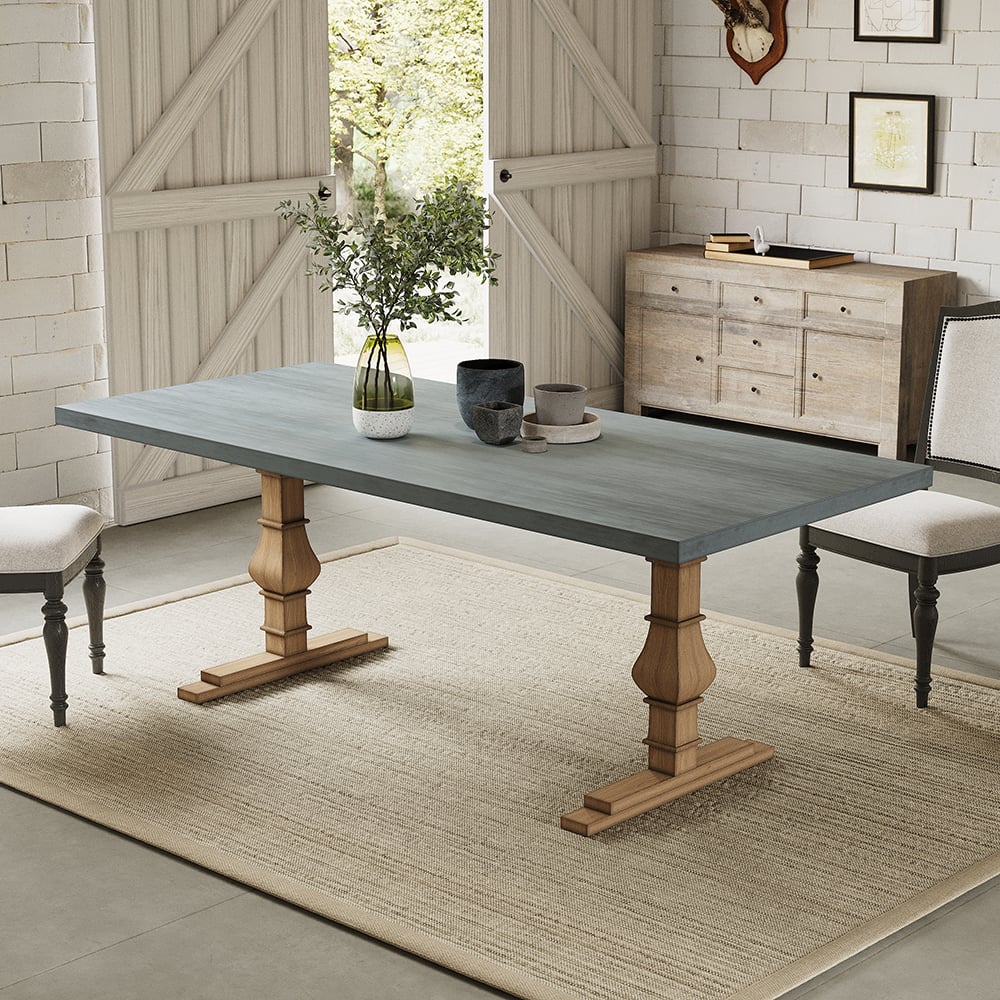
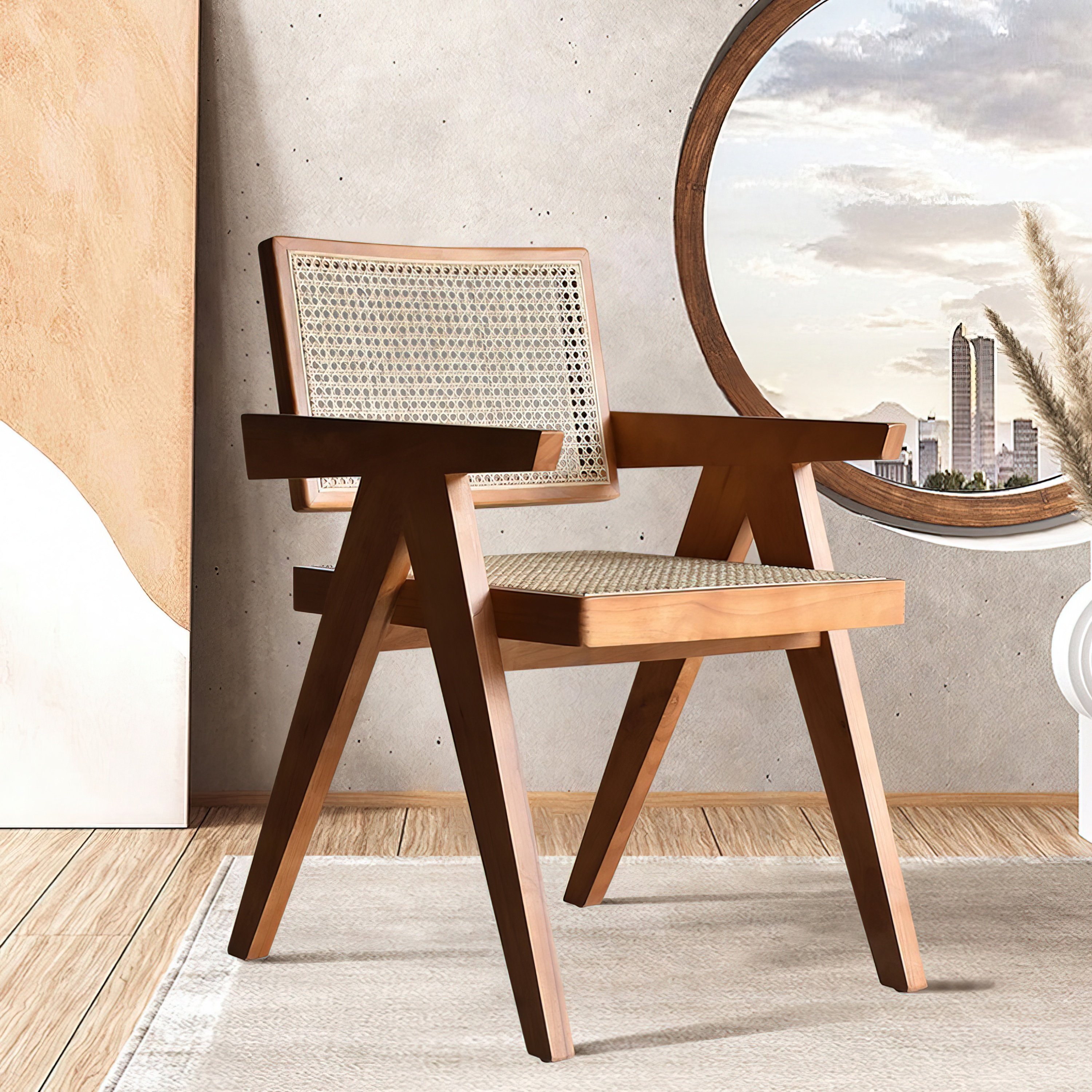
Creating a beautiful dining room goes far beyond the table and chairs. It is about how the lighting, the rugs, the walls, and the seasonal table settings work together to create a warm, inviting atmosphere. Whether you are preparing a large festive tablescape or styling your space for everyday family dinners, the right decor elements will tie your farmhouse aesthetic together.
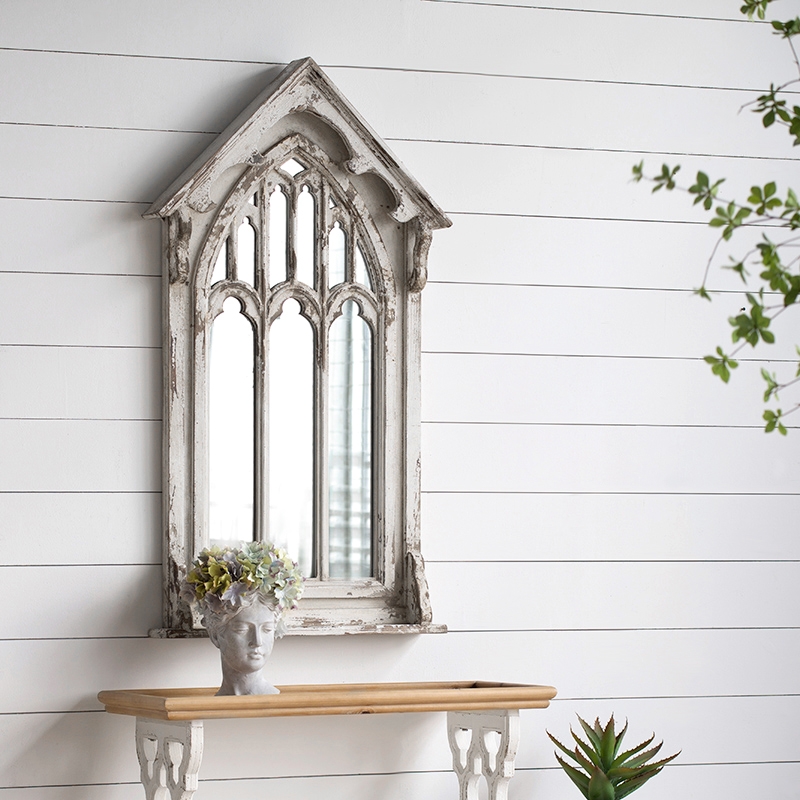
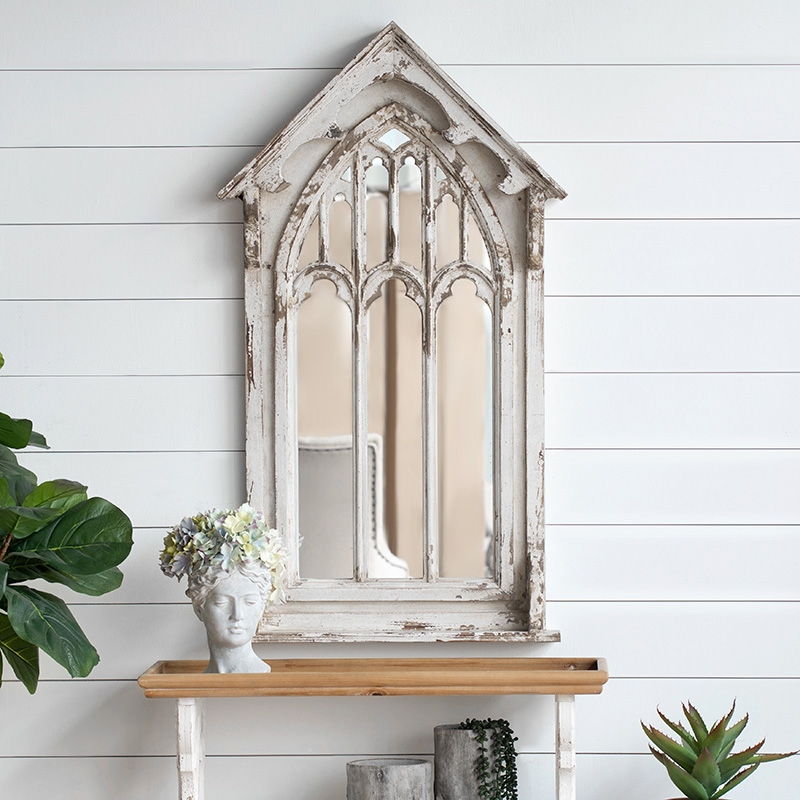
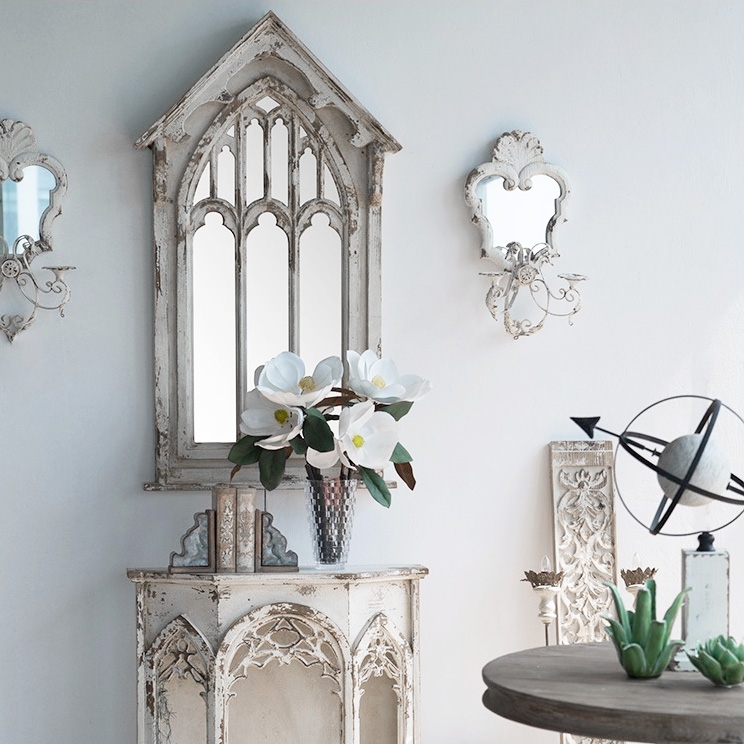

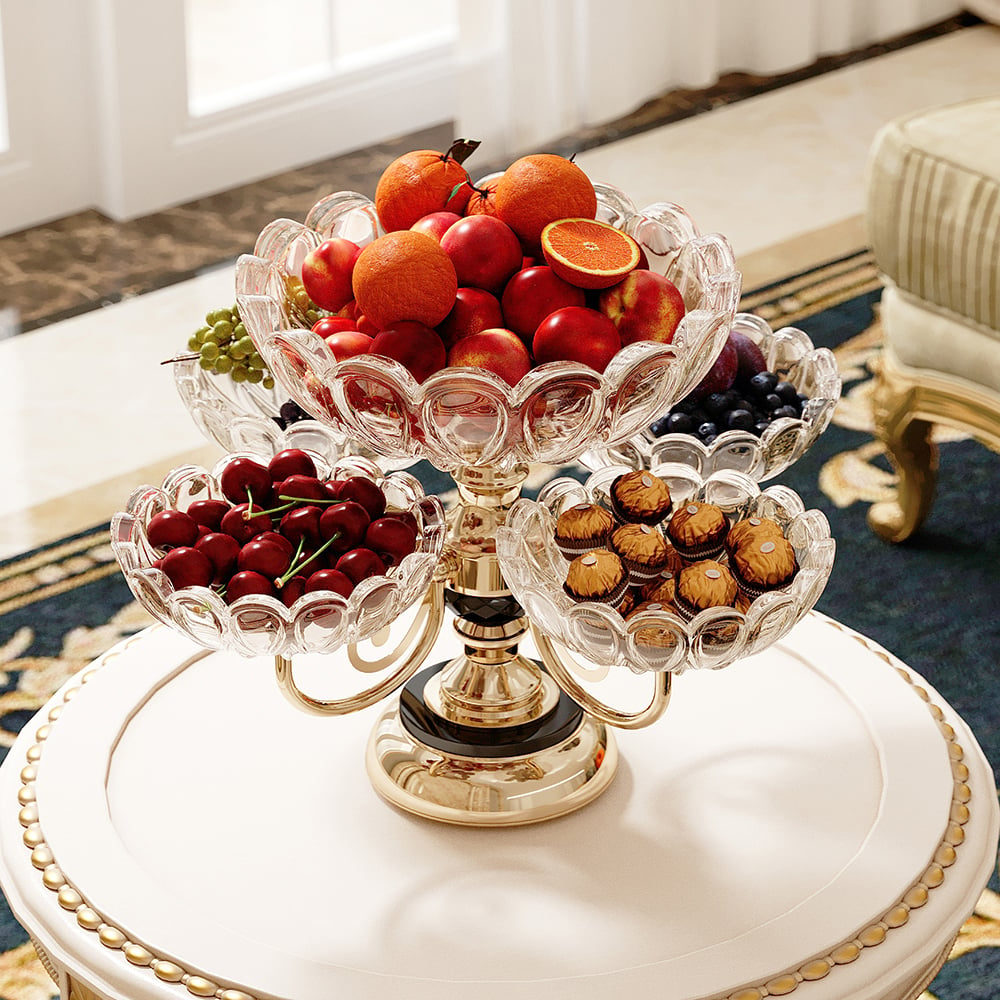
Browse our room styling resources below to learn about selecting the right rug sizes, choosing overhead light fixtures, and setting up gorgeous wall decor. You can also transition back to our main guides for Dining Tables and Dining Chairs to coordinate your overall design.
Most photos of farmhouse dining rooms look great and tell you almost nothing about how to actually build one. You see a shiplap wall, a long wood table, a rattan pendant light, and a jute rug, and you’re left guessing which of those choices matter most and which order to tackle them in. This guide skips the mood board and walks through the room piece by piece: walls first, then floor, then the table as the anchor, then lighting, rugs, and windows, so you end up with a plan instead of a Pinterest folder.
What Makes a Dining Room “Farmhouse Style”?
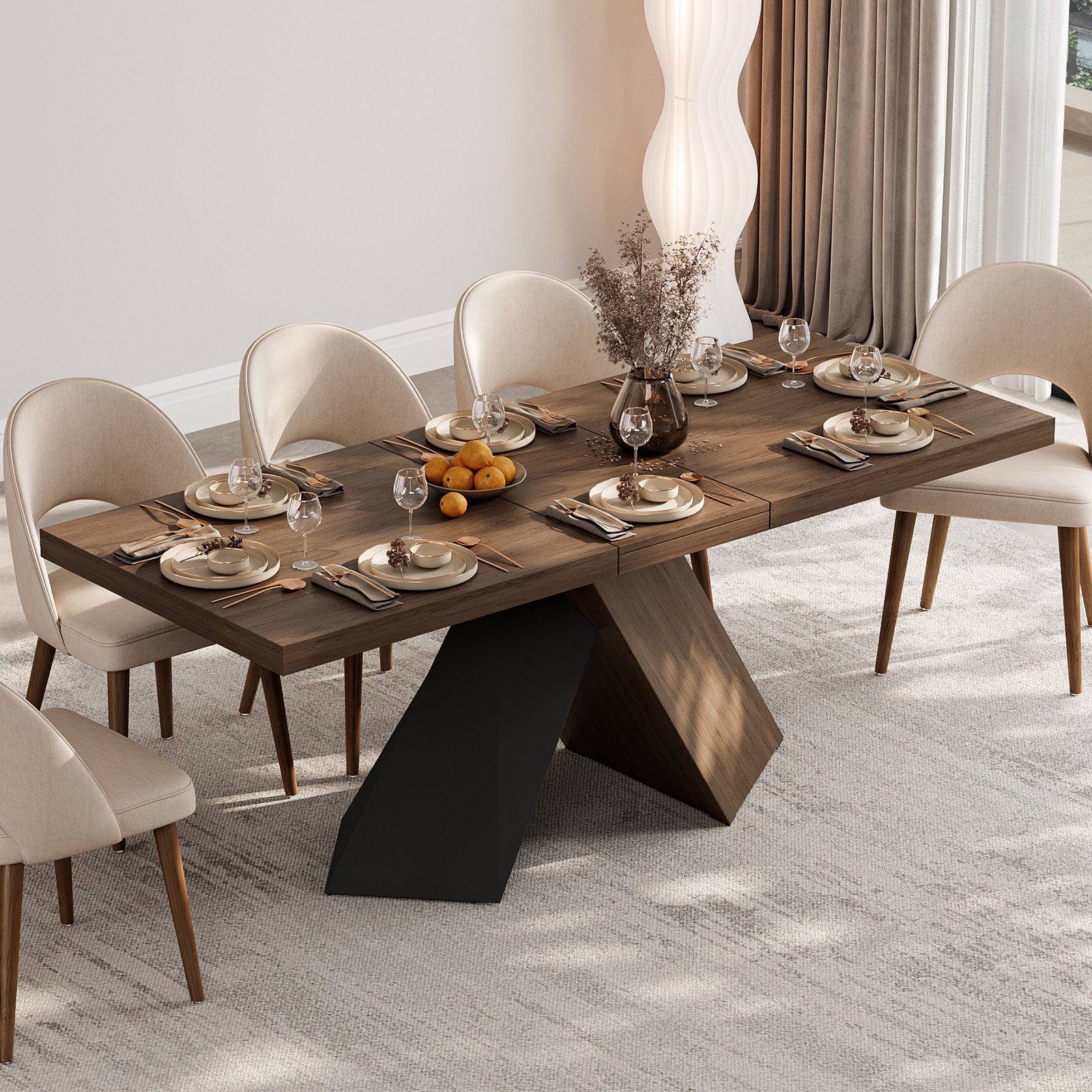
A farmhouse dining room combines natural wood tones, warm neutral colors, and simple, sturdy furniture shapes, usually built around one large wood or wood-look table. The style leans on texture (shiplap, linen, wicker) instead of shine, and it mixes old-feeling pieces (a turned-leg chair, a vintage-style pendant) with newer, more durable versions of the same forms. It works in older homes and new builds alike because it’s really a set of material and color choices, not a specific floor plan.
Start With the Walls
Walls set the backdrop for everything else in the room, and they’re the cheapest thing to change before you commit to furniture.
Shiplap. Horizontal planks with a small gap between them are the single most recognized farmhouse wall treatment. A full accent wall behind the table works well in rooms with 8-foot ceilings or higher. In smaller rooms, shiplap on the lower third of the wall (with paint above) keeps the space from feeling like a cabin.
Board and batten. Vertical boards with thin battens covering the seams read as slightly more formal than shiplap. It pairs well with a darker or more finished wood table and suits dining rooms that also need to look presentable from an open-concept kitchen.
Paint colors. If you’re not ready to add millwork, paint alone gets you most of the way there. Warm whites (not stark white), soft greiges, and muted sage or clay tones are the most common farmhouse choices because they read as “lived in” rather than sterile.
| Wall Treatment | Best For | Approx. Cost (DIY, 12x14 room) |
|---|---|---|
| Shiplap accent wall | Rooms with high ceilings, a strong focal wall behind the table | $150 to $400 in materials |
| Board and batten | Rooms shared with a kitchen or living space, slightly dressier look | $200 to $500 in materials |
| Warm neutral paint only | Renters, smaller rooms, quick refresh | $50 to $150 in paint |
| Paint + wainscoting | Formal dining rooms, older homes with existing trim | $300 to $700 in materials |
Choose Flooring That Can Take a Beating
Dining rooms take more chair-scraping, spill, and foot traffic than almost any other room, so flooring needs to survive daily use, not just look good in photos.
Wide-plank engineered hardwood in a warm oak or walnut tone is the most common farmhouse floor choice. It gives the wood-grain look of an original farmhouse floor without the maintenance of solid hardwood, and it holds up better around a dining table than solid wood, since solid wood can dent under heavy chair legs.
Where hardwood isn’t practical (a rental, a basement dining area), luxury vinyl plank in a whitewashed or weathered oak finish gets you close to the same look at a lower cost and higher water resistance. Whatever floor you choose, add felt pads under every chair leg. It’s a five-dollar fix that saves the floor and cuts down on the scraping noise that makes a dining room hard to relax in.
The Table and Chairs Are the Anchor, Not an Afterthought
Every other decision in the room, wall color, rug size, lighting height, gets easier once the table is picked, because the table sets the scale for the whole space. Pick it first if you can, even before paint.
A farmhouse table is usually rectangular, made from a solid or engineered wood top, and sits on a trestle, pedestal, or turned-leg base rather than a sleek metal frame. Extendable tables are common in the style because farmhouse design assumes a table might feed 4 people on a Tuesday and 10 on a holiday.
For a full breakdown of leg styles, wood types, and how to measure your room for the right size, the site’s dedicated farmhouse dining table buying guide covers that in depth. This page focuses on how the table works with everything around it.
A few real examples currently for sale at Homary show the range within the style:
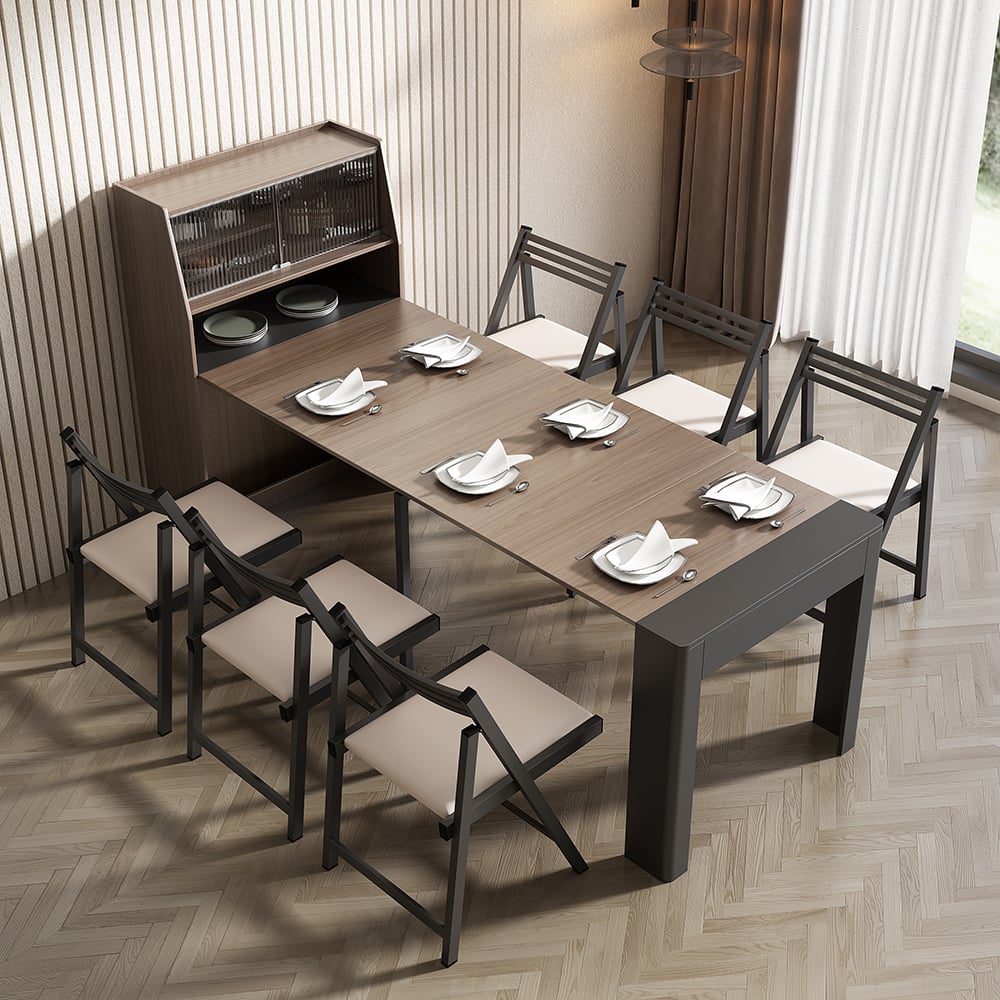
- The Farmhouse 71” Extendable Rectangular Walnut Dining Table with Sideboard, Seats 4-5 ($579.99) is built as a three-mode piece: it works as a compact sideboard, a 2-person table, or extends to seat 5. It’s rated 4.6 out of 5 from 77 reviews. This is a smart pick for a smaller dining nook that still needs to host occasionally.
- The Farmhouse 79”-94” Extendable Rectangular Walnut Dining Table, Seats 6-8 ($1,599.99) is the larger, family-size version of the same walnut finish, better suited to a dedicated dining room instead of a nook.
- The Farmhouse 79”-94” Extendable Rectangular Whitewash Dining Table, Seats 6-8 ($1,589.99) is the same large-format table in a whitewashed finish, which pairs especially well with shiplap and lighter wall colors if you want a brighter room rather than a heavier, dark-wood look.
For chairs, farmhouse rooms usually mix at least two chair types rather than matching a full set: slat-back wood chairs on the sides and a bench or upholstered chairs at the ends. The site’s chairs guide goes deeper into which pairings work with which table styles.
Lighting Sets the Mood More Than Any Other Choice
A dining table with the wrong light above it looks unfinished no matter how well the rest of the room is styled. Farmhouse lighting usually means a linear chandelier, a cluster of pendants, or a single oversized pendant with a black, aged brass, or wood-and-rattan finish, hung 30 to 36 inches above the tabletop.
Bulb color matters as much as the fixture. Warm white bulbs (2700K to 3000K) keep the room feeling like a farmhouse; anything closer to daylight white reads as clinical. The site’s lighting guide walks through fixture sizing by table length and how to layer in a dimmer, which is worth doing in almost any dining room.
Rugs Ground the Whole Layout
A rug under the dining table does two jobs: it adds the texture farmhouse style depends on, and it visually separates the dining area from an open kitchen or living space. Jute and other natural fiber rugs are the most common farmhouse choice because of their texture, though a low-pile wool rug in a simple stripe or vintage-inspired pattern works too and is easier to wipe down after spills.
Sizing is where most people get it wrong. The rug needs to be large enough that all four chair legs stay on it even when pulled out, which usually means 24 to 30 inches of rug extending past each side of the table. The rug guide on this site has a full sizing chart by table dimension if you want exact numbers for your table.
Window Treatments
Farmhouse windows tend to stay simple: café curtains, roman shades in linen or cotton, or plain white wood shutters. Heavy drapes and busy patterns work against the pared-back feel the rest of the room is going for. If the dining room gets strong afternoon sun, a light-filtering linen shade protects both the table finish and any artwork on the walls from fading, which matters more over years than most people expect when they’re just picking curtains for looks.
Real Styling Examples and Current Trends
A few patterns show up consistently in farmhouse dining rooms that are working well right now, based on current design coverage from HGTV and Houzz galleries:
- Two-tone tables (a dark or black base with a lighter wood top) are replacing all-one-color wood tables as the most common new pick, because they read as slightly more current without losing the farmhouse shape.
- Mixed seating (a bench on one side, chairs on the other) shows up in most of the higher-end rooms, not just budget ones. It’s a design choice, not a compromise.
- Wagon-wheel and factory-style pendants are being replaced by simpler linear or dome-shaped fixtures in black or aged brass, which age better and clash less with other finishes in the room.
- Sideboards doing double duty as extra storage and a display shelf for a small lamp or greenery are common in rooms without a separate butler’s pantry.
Key Takeaways
Pick the table first, since it sets the size and tone for the whole room. Keep wall treatments (shiplap, board and batten, or warm paint) simple and let the wood tones do the work. Choose flooring and rug materials that can handle daily spills and chair scraping, not just how they look in a photo. Layer in warm-toned lighting at the right height, since that single choice affects the mood of the room more than any other decor decision.
If you’re starting from scratch, pick a table and a wall color in the same afternoon, then build lighting, rug, and window choices around those two anchors instead of shopping for each piece separately.
FAQ
What colors are best for a farmhouse dining room? Warm whites, soft greige, and muted tones like sage green or clay work best because they read as warm and lived-in rather than stark. Pure white or cool gray tends to push the room toward a more modern or coastal look instead.
Does a farmhouse dining room need shiplap? No. Shiplap is a popular option but not a requirement. Warm neutral paint alone, or board and batten, can create the same farmhouse feel without the added cost or installation of shiplap.
What size table fits a farmhouse dining room? Most farmhouse dining rooms use a rectangular table between 60 and 94 inches long, often with an extendable leaf for extra seating. Measure the room and leave at least 36 inches of clearance on all sides for chairs to pull out comfortably.
What kind of chairs go with a farmhouse table? Slat-back wood chairs are the most classic pairing, often mixed with a bench on one side or upholstered chairs at the two ends. Mixing chair styles is common in farmhouse design rather than using a fully matched set.
What rug size works under a farmhouse dining table? The rug should extend 24 to 30 inches past each edge of the table so all four chair legs stay on the rug even when pulled out. For a standard 6-foot table, that usually means an 8-by-10 foot rug at minimum.
What is the best flooring for a farmhouse dining room? Wide-plank engineered hardwood in a warm oak or walnut tone is the most common choice because it resists dents better than solid hardwood while keeping the same look. Luxury vinyl plank is a durable, lower-cost alternative in rentals or high-moisture areas.
How do I light a farmhouse dining table? Hang a linear chandelier or oversized pendant 30 to 36 inches above the tabletop, using warm white bulbs in the 2700K to 3000K range. A dimmer switch makes the fixture useful for both everyday meals and dinner parties.
What window treatments fit a farmhouse dining room? Simple options work best: café curtains, linen roman shades, or plain white shutters. Heavy drapes or busy patterns tend to clash with the pared-back look farmhouse style relies on.
How much does it cost to style a farmhouse dining room? A paint-only refresh with a mid-range table and chairs can run $1,000 to $2,500. Adding shiplap, a rug, and a statement light fixture typically pushes the total closer to $2,500 to $5,000, depending on table size and material choices.
Can a farmhouse dining room work in a modern house? Yes. Farmhouse elements like warm wood tones, linen textiles, and simple furniture shapes pair well with modern architecture as long as the rest of the room’s finishes (flooring, trim, lighting) lean warm and simple rather than industrial or high-gloss.