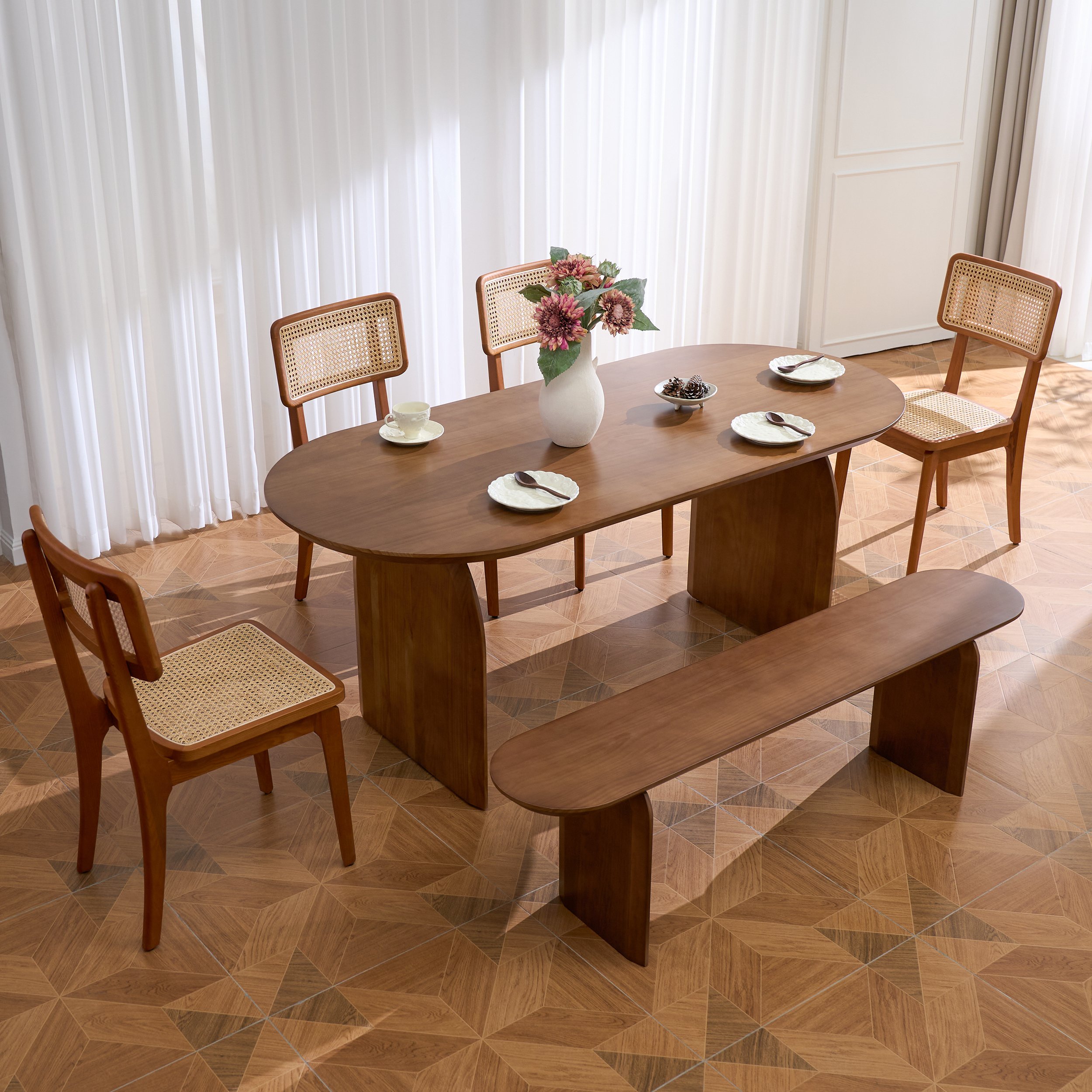
A woman in an online furniture forum posted photos of a “1800s farmhouse table” she’d bought for $2,200, asking if she’d overpaid. Within an hour, three commenters pointed out the same thing: perfectly round nail holes, a plywood underside, and a stain job that soaked into every surface, including the parts no one would ever see. It was a well-made reproduction. She paid antique money for a piece built last year.
That mix-up happens constantly, because a good vintage-style table can look convincing in photos. Knowing what separates the real thing from a newer piece styled to look old can save you hundreds or thousands of dollars, and it can also help you avoid walking away from a genuinely great table because you weren’t sure what you were looking at.
What Makes a Farmhouse Dining Table “Antique” vs “Vintage”
A true antique farmhouse dining table is generally at least 100 years old, hand built from solid wood using joinery like mortise and tenon or wooden pegs, with visible tool marks and natural wear from decades of use. A vintage farmhouse table is younger, usually 20 to 99 years old, and may be factory made with some machine joinery but still solid wood construction. Reproductions copy the farmhouse look using new materials and modern manufacturing, and they can be well made, just not old.
The terms get used loosely by sellers, so the label on a listing tells you less than a five-minute inspection does.
How to Spot a Genuine Antique
Check the Joinery First
Flip the table over or crawl underneath with a flashlight. Real antique tables were built with mortise and tenon joints, dovetails, or wooden pegs holding the frame together. Screws should look hand cut, with off center slots and slightly irregular threading, not the perfectly uniform screws a hardware store sells today.
If you see Phillips head screws (the cross shaped kind), the table was built after the 1930s at the earliest, since that screw type wasn’t widely used before then. Staples or particleboard anywhere in the structure rule out a genuine antique entirely.
Look at the Wood Species
Older furniture makers rarely used one type of wood for an entire piece, because good wood was expensive. Tabletops were often oak, pine, elm, or fruitwood, while the hidden understructure (aprons, corner blocks, stretchers) used a cheaper secondary wood. If the whole table, top to legs to underside, is one uniform species with a uniform finish, that’s a flag for either a reproduction or a heavily restored piece.
Read the Wear Patterns
Wear on a real antique tells a story, and it’s rarely even. Look for:
- Uneven shrinkage across the grain (an antique round table is almost never perfectly round anymore)
- Darker, worn patches where hands and elbows rested for generations
- Raw, unfinished wood on the underside, since makers didn’t bother finishing surfaces no one would see
- Small splits or seam separation where boards were joined, especially near the ends
A table that looks “distressed” in a perfectly even, repeated pattern (the same fake worm holes spaced identically, or scratches that all run the same direction) was distressed on purpose in a factory, not by 80 years of dinners.
Test for Wobble and Structural Integrity
Push down on each corner of the tabletop and rock it gently. A little give in an old joint is normal and often fixable. A serious wobble, a leg that doesn’t sit flat, or visible cracks running through a leg or apron are bigger problems. Structural issues in solid wood joinery can usually be repaired by a furniture restorer, but get a sense of the cost before you buy, since regluing a full set of loose joints can run $200 to $600 depending on your area.
Where People Actually Find These Tables
| Source | What to Expect | Best For |
|---|---|---|
| Estate sales | Widest variety, prices often below market, but pieces move fast and you inspect in person on the spot | Buyers near a sale who can act quickly |
| Antique malls and dealers | Curated, already cleaned up, dealer can usually answer questions about age and origin | First time buyers who want some vetting done for them |
| Chairish | Vetted sellers, detailed photos, buyer protection, shipping included in most listings | Buyers who want a curated online experience with some safety net |
| 1stDibs | High-end dealer network, strong for rare or designer farmhouse pieces, higher average prices | Buyers seeking a statement piece and willing to pay for it |
| Facebook Marketplace | Local, cash deals, huge price range, zero vetting, no protection | Buyers who can inspect in person and are comfortable negotiating |
| Auctions (local and online) | Can be the best prices for real antiques, but you’re often bidding sight unseen or with limited inspection time | Experienced buyers comfortable with some risk |
Estate sales and local auctions tend to have the most genuinely old pieces, since they’re clearing out homes rather than curated inventory. Online marketplaces trade some of that authenticity for convenience and buyer protection.
Realistic Price Expectations
Genuine antique farmhouse tables (100+ years old, solid wood, hand joinery) typically run $800 to $4,500 depending on size, wood species, condition, and provenance. On 1stDibs, listings range from around $250 for smaller or rougher pieces up to $24,000 for rare or documented antiques, with most landing closer to the $2,000 to $5,000 range.
Vintage tables (several decades old but not true antiques) usually cost less, often $400 to $1,800, since they’re more common and less collectible.
Vintage-style reproductions, new tables built to look old, are the most predictable option price wise. They range from around $600 for smaller basic versions to $2,000+ for larger extendable tables with better materials.
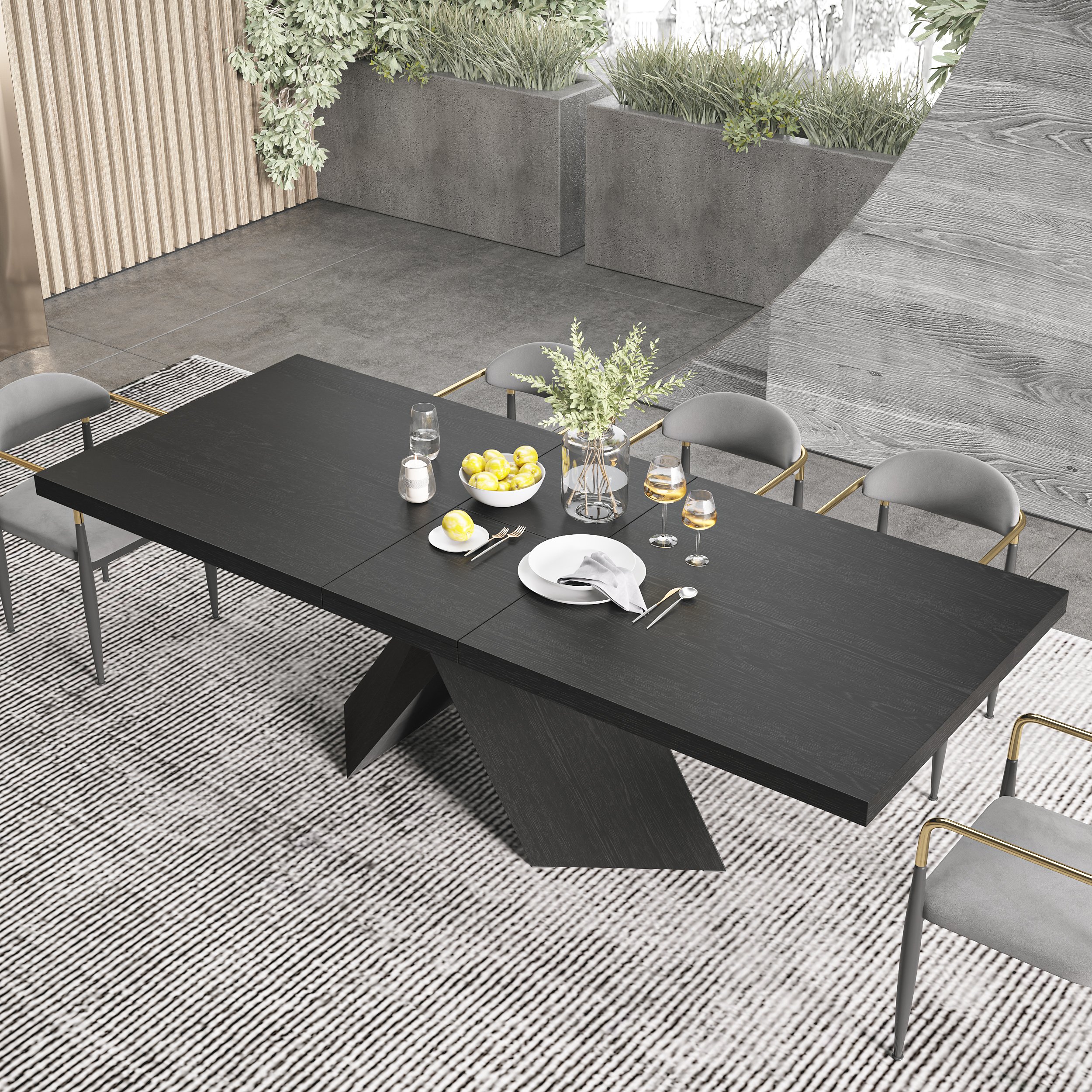
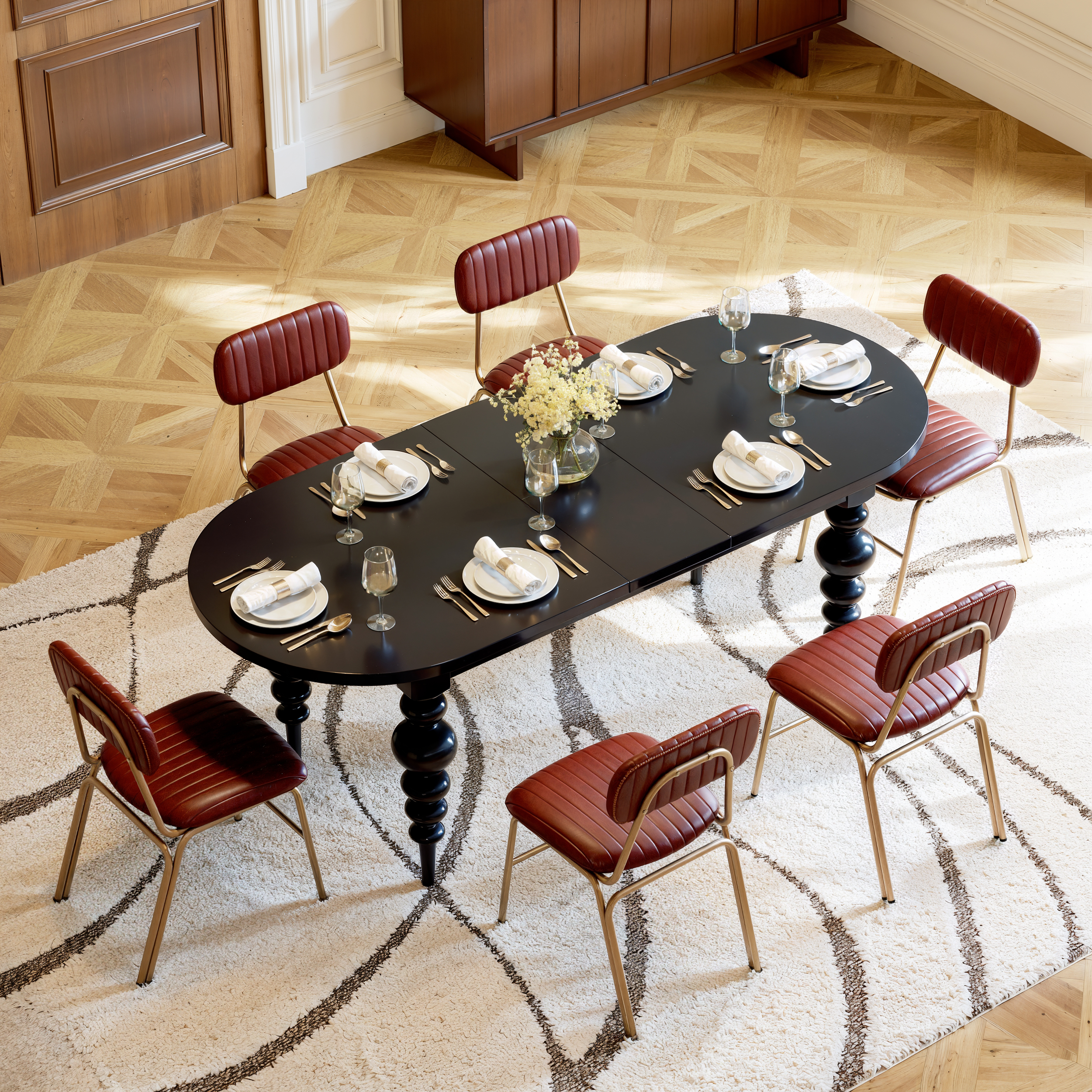
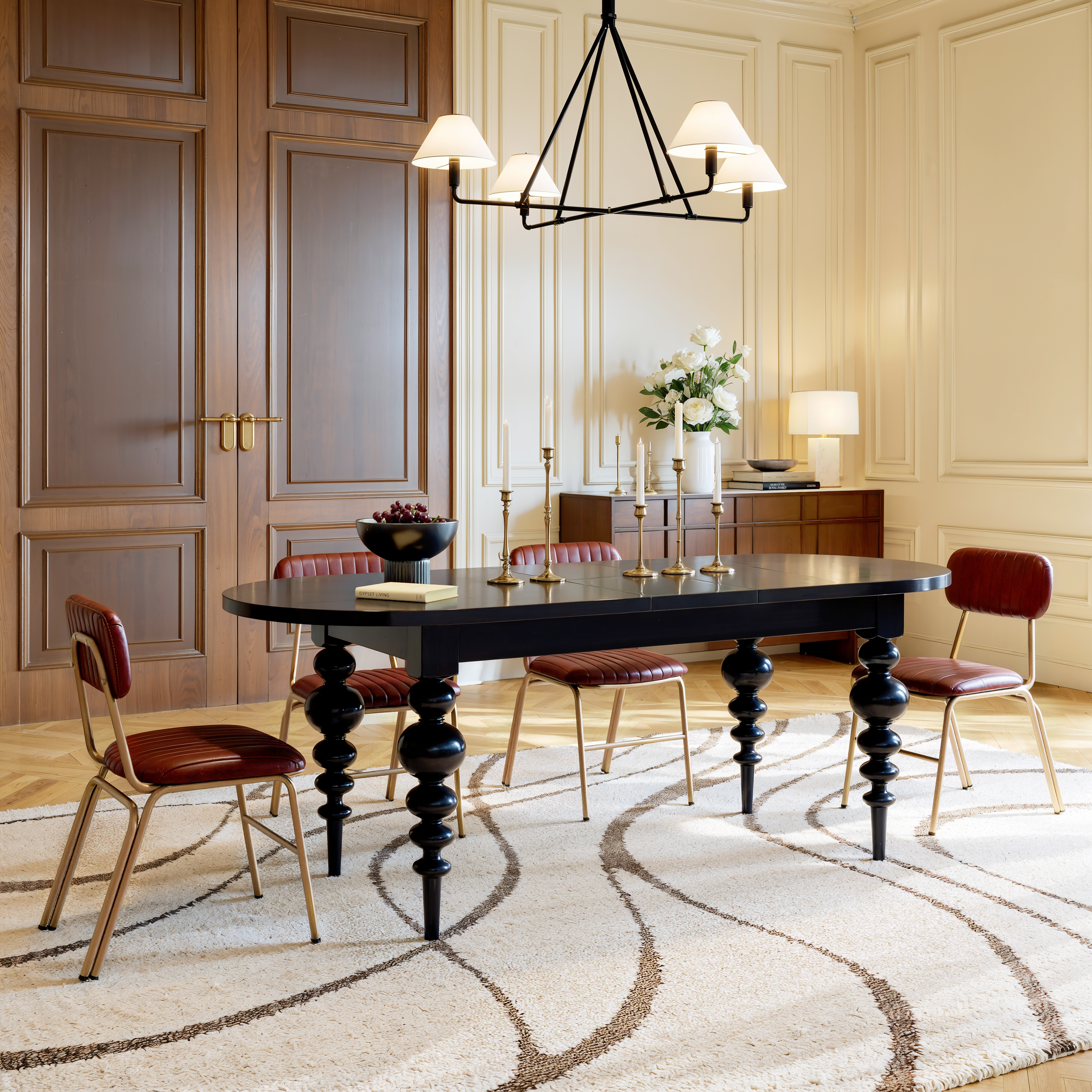
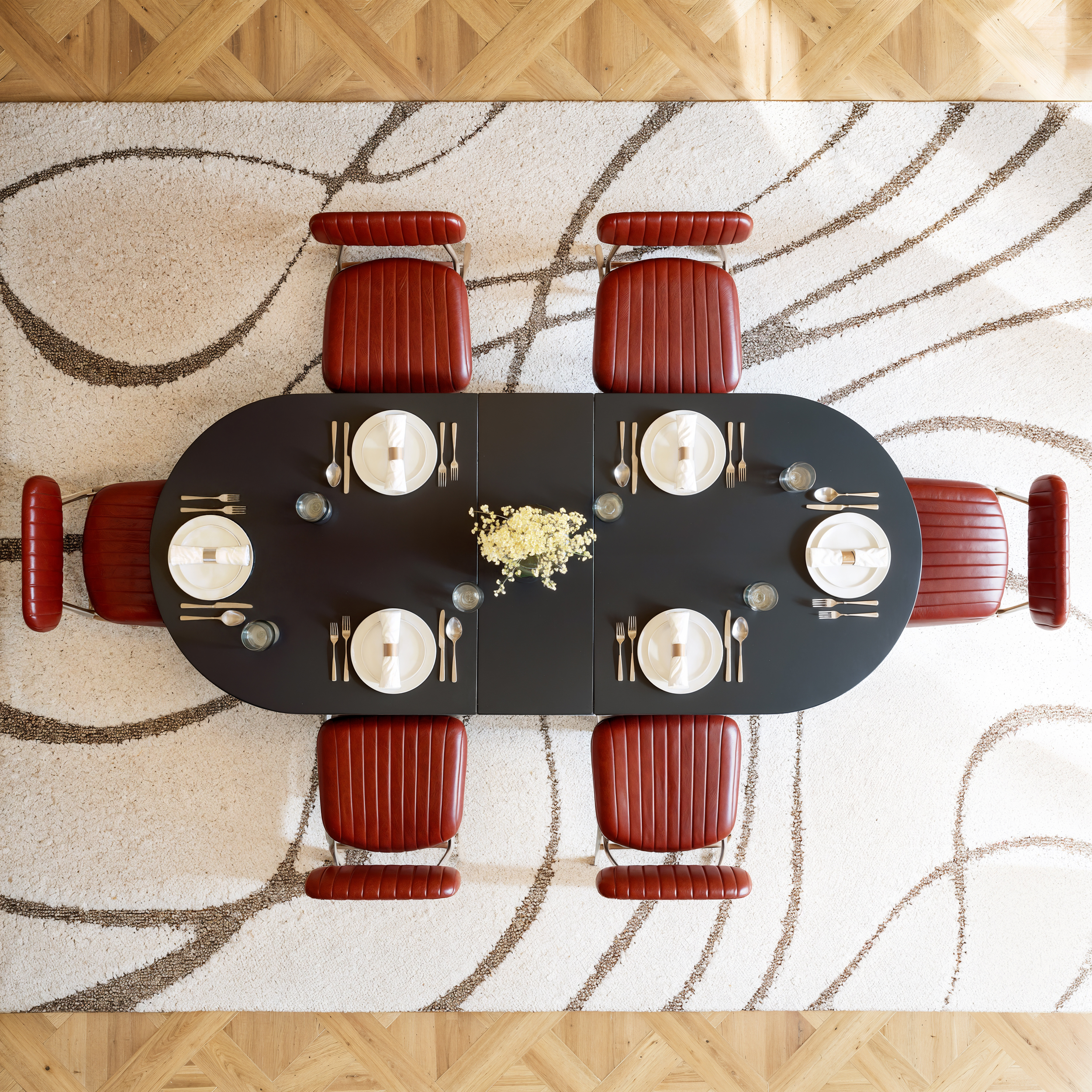
A prime example is the Mid-Century Modern 67” to 79” Extendable Black Oval Dining Table with Turned Legs from Homary. It combines antique-styled turned legs with a modern extendable mechanism and a distressed black finish that mimics centuries of wear.
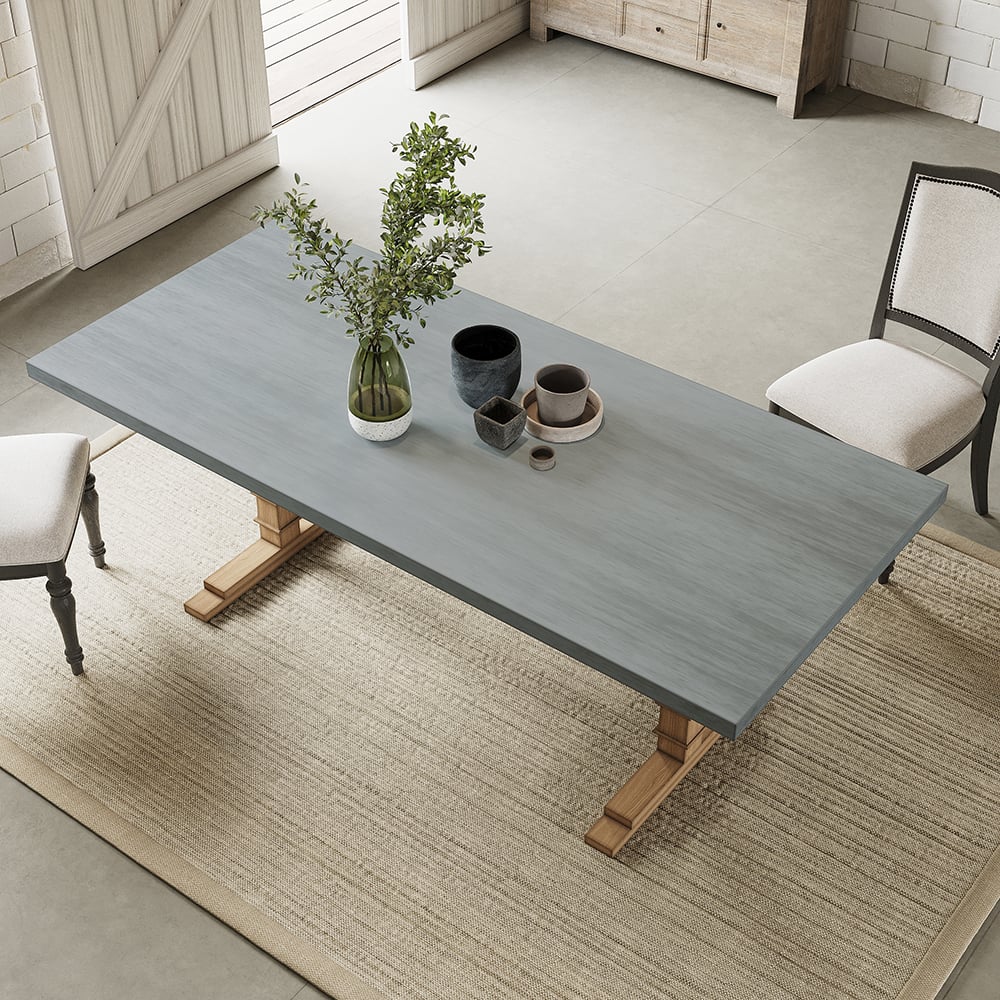
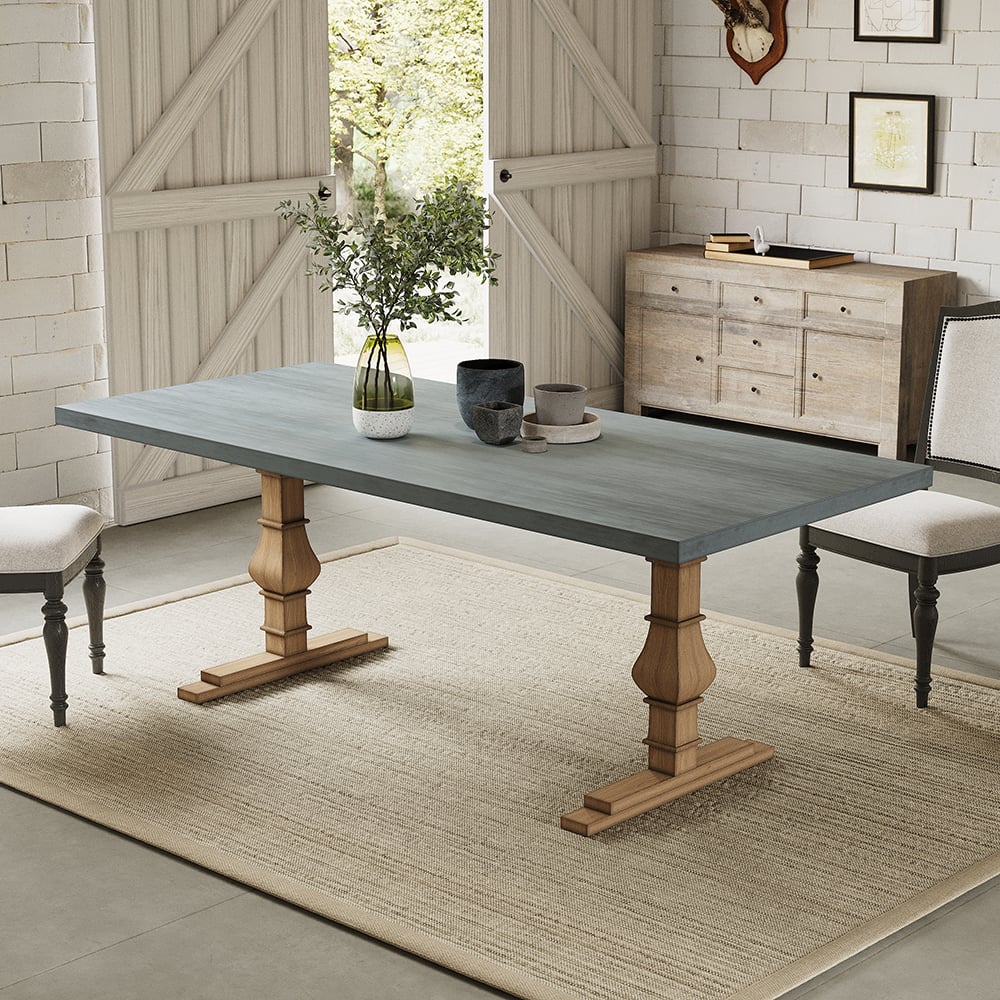
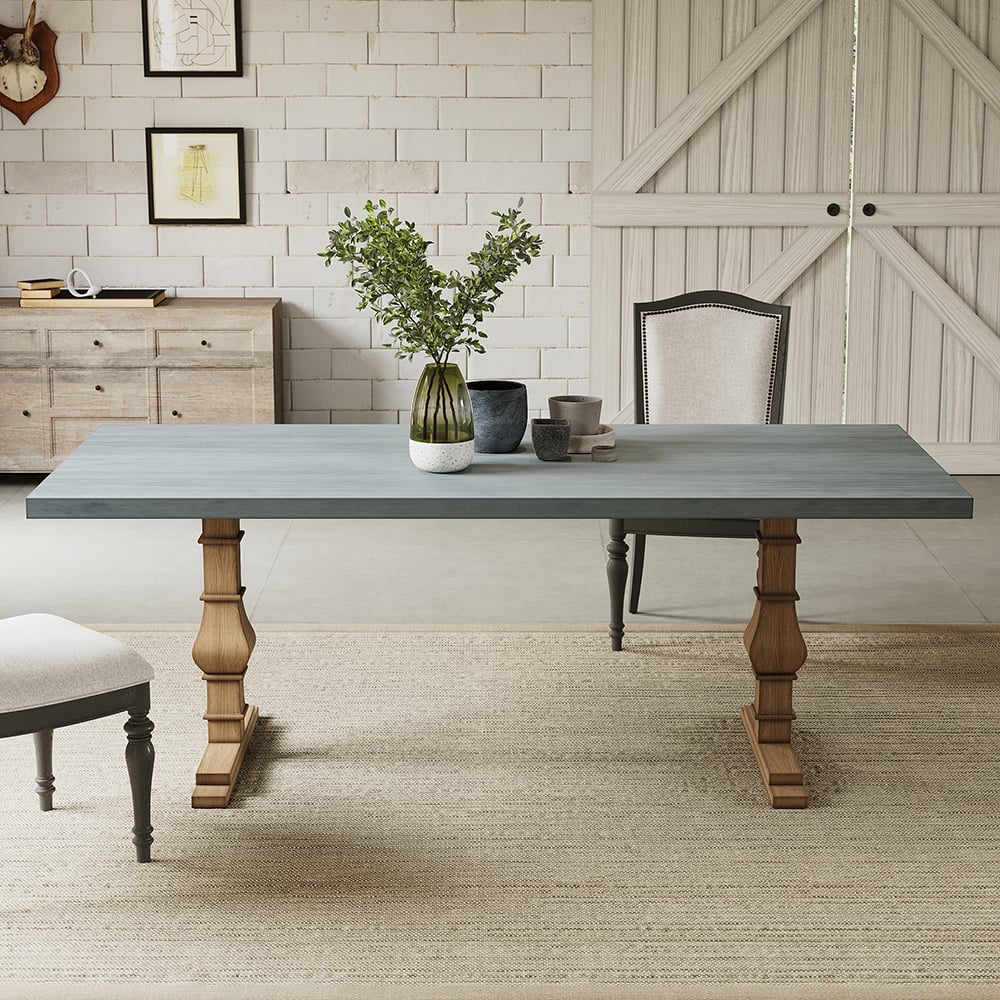
The Upoak Farmhouse Rectangle Wood Dining Table is another option: a solid wood table with a double pedestal base built in the farmhouse style, priced at $1,399.99, and it comes with a manufacturer warranty and return window that a 150-year-old antique simply can’t offer.
Pros and Cons of Buying Antique or Vintage
Pros:
- Real character: unique wear, patina, and joinery you won’t find in new furniture
- Often better wood quality than modern budget furniture, since older solid wood was cut from mature, slow growth trees
- More sustainable, since you’re reusing an existing piece instead of consuming new materials
- Can hold or increase in value if it’s a genuinely rare or well documented piece
Cons:
- Unknown structural condition until you inspect it closely, and some damage isn’t obvious until the table is in your home
- Almost never returnable once you’ve bought it, especially through estate sales, auctions, or Facebook Marketplace
- Sizing can be a problem, since older tables were often built smaller and lower than modern dining tables
- Finding a matching set of chairs can take separate hunting and add real cost
- No warranty and no customer service line if something breaks
If the unpredictability of secondhand shopping isn’t appealing, a new reproduction-style table gets you the farmhouse look with predictable sizing, a return policy, and a warranty, just without the history.
Key Takeaways
Check the joinery, wood species, and wear pattern together rather than relying on one clue, since sellers can fake any single detail but rarely fake all three convincingly. Estate sales and antique dealers tend to offer the most genuinely old pieces, while Chairish and 1stDibs offer more buyer protection for online purchases. Budget $800 to $4,500 for a real antique, less for vintage, and expect to pay $600 to $2,000+ for a well made new reproduction if you’d rather skip the guesswork.
Whichever route fits your patience and budget, inspect before you commit, ask sellers for underside photos if you’re buying online, and don’t be afraid to walk away from a listing that won’t answer specific questions about construction.
FAQ
How can you tell if a farmhouse table is a real antique? Check the underside for hand cut joinery like mortise and tenon joints or wooden pegs, look for a secondary wood species used in hidden areas, and look for uneven wear and shrinkage rather than uniform “distressing.” Genuine age shows up as irregular wear, not a repeated pattern.
What’s the difference between antique and vintage furniture? Antique generally means 100 years old or more, while vintage refers to furniture that’s older but not yet antique, often somewhere between 20 and 99 years old. Both terms get used loosely by sellers, so always verify with a physical inspection rather than trusting the label alone.
Are antique farmhouse tables worth the money? They can be, especially if you value solid wood construction, unique character, and sustainability over predictability. The tradeoff is unknown condition and no returns, so the value depends on how comfortable you are inspecting a piece yourself or paying for an appraisal.
Where is the best place to buy an antique farmhouse table? Estate sales and local antique dealers tend to have the widest selection of genuinely old pieces at the best prices, while Chairish and 1stDibs offer more buyer protection and detailed vetting for online purchases. Facebook Marketplace can have good deals but comes with the least protection.
How much does an antique farmhouse dining table cost? Genuine antiques typically run $800 to $4,500 depending on size, wood, and condition, though rare or documented pieces on sites like 1stDibs can go well beyond that. Vintage tables usually cost less, often in the $400 to $1,800 range.
Can a wobbly antique table be fixed? Most wobble in solid wood joinery can be repaired by a furniture restorer, often for $200 to $600 depending on how many joints need attention. Get an estimate before buying if the wobble seems significant, since it affects your total cost.
What wood was used in antique farmhouse tables? Common choices included oak, pine, elm, and various fruitwoods for the tabletop, with cheaper secondary woods used for hidden structural parts. A table built entirely from one wood species with a uniform finish is more likely a reproduction.
Do antique dining tables fit modern dining rooms? Not always. Many antique farm tables were built lower and narrower than modern standard dining tables, so measure your space and your existing chairs before buying, since sizing mismatches are one of the most common complaints from secondhand buyers.
Is it better to buy a vintage table or a new reproduction? It depends on what you want. Vintage and antique tables offer real history and character but come with unknown condition and no returns, while new reproductions offer predictable sizing, a warranty, and a return window, just without the authentic age.
How do you check for structural integrity before buying? Press down on each corner of the tabletop and rock it gently to test for wobble, check that all four legs sit flat on the floor, and look closely at joints and legs for cracks or splits. A little give in old joints is normal, but visible cracks or a serious wobble should factor into your offer or your decision to walk away.