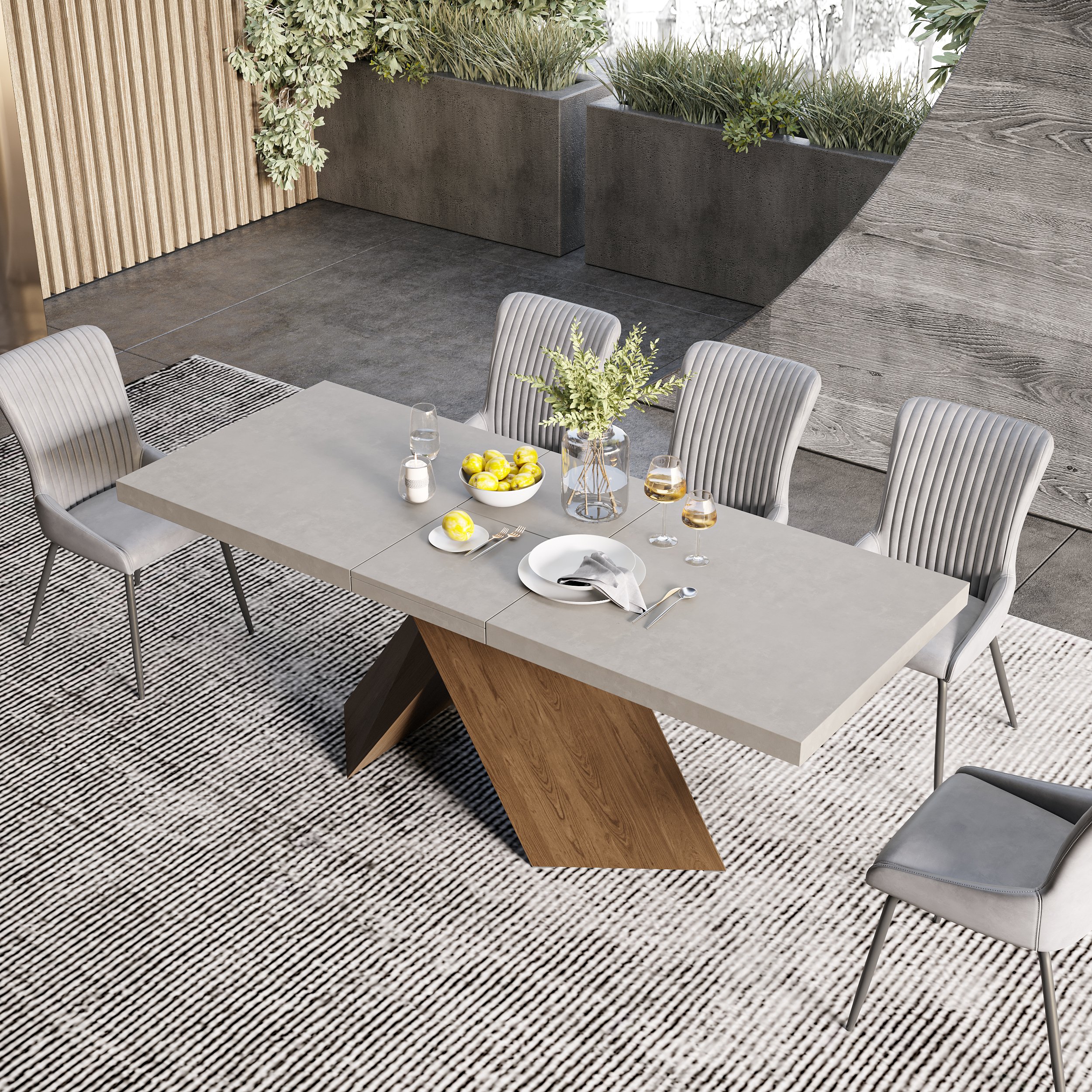
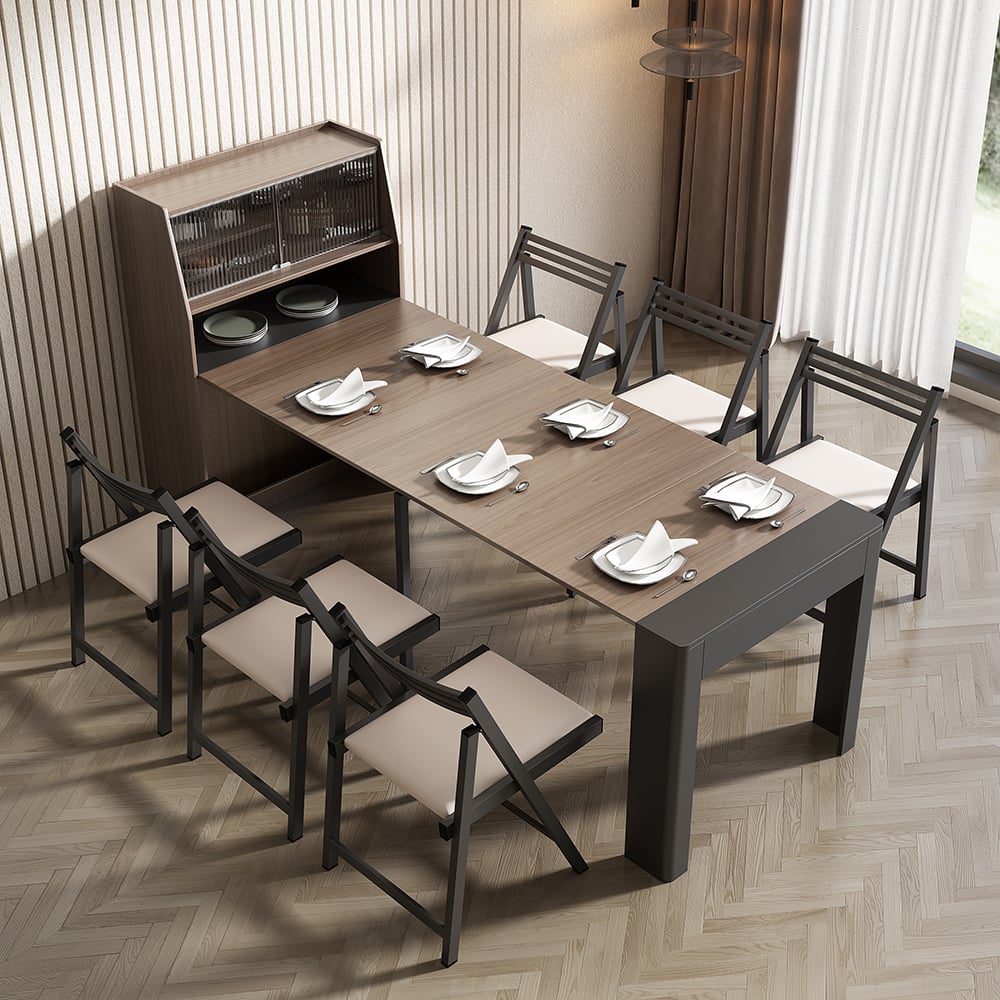
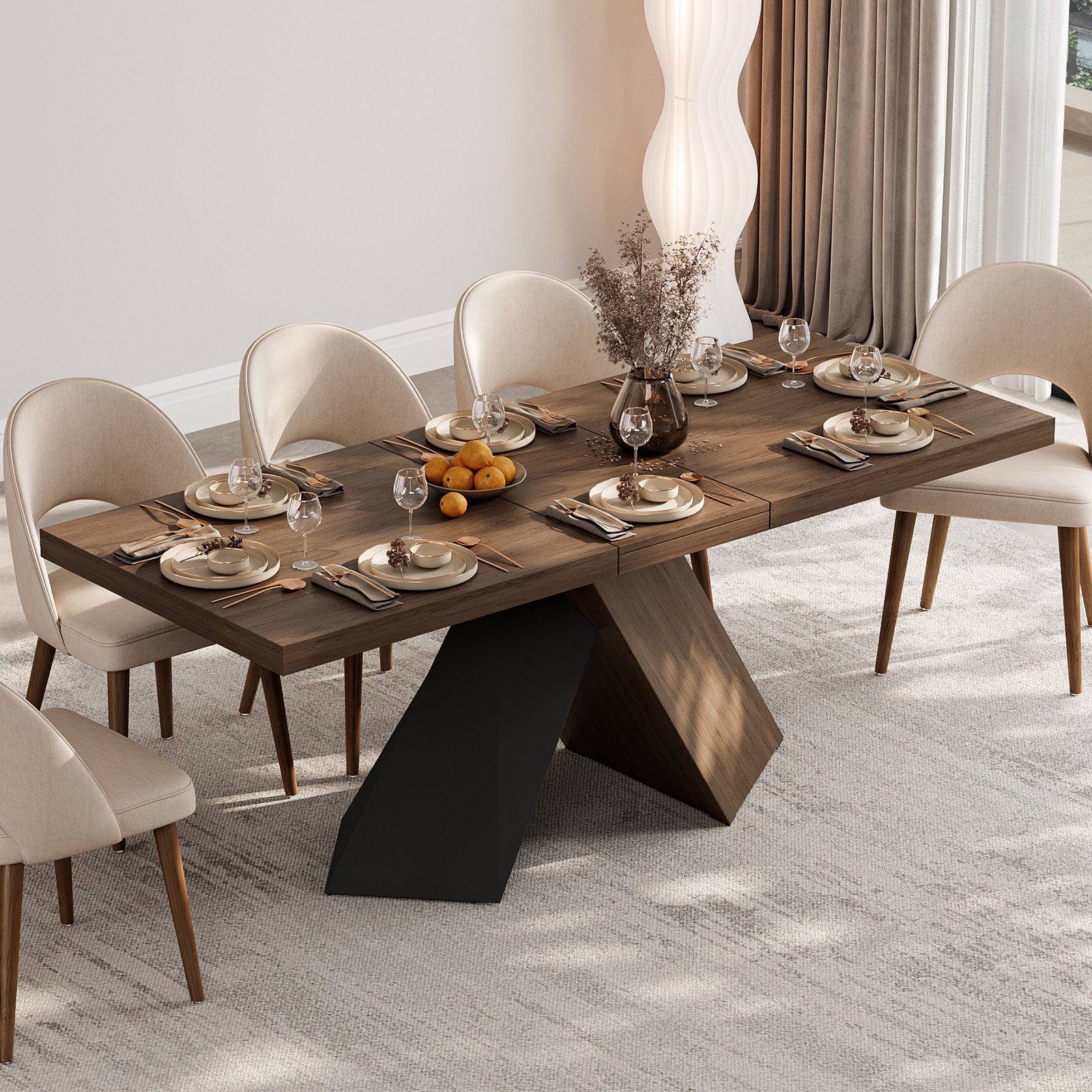
Most farmhouse table setting guides show you a Thanksgiving spread with pumpkins, place cards, and a runner you’d never let a kid near with spaghetti. That’s not what a Tuesday dinner looks like. A real everyday farmhouse table needs to survive breakfast, homework, and mail piling up, while still looking put together in about five minutes.
What an everyday farmhouse table setting actually looks like
An everyday farmhouse table setting uses a simple runner instead of a full tablecloth, one small rotating centerpiece like a bowl of fruit or a candle, and mixed casual dishware in neutral tones. The whole setup should take under five minutes to place and remove, since the table still needs to work for actual meals, not just look good in photos.
That’s the core difference between this and a holiday tablescape. A tablescape is a display built for a few hours. An everyday setting has to get cleared, wiped down, and reset multiple times a day.
Why “reset-ready” matters more than “picture perfect”
Search results for farmhouse table decor are full of styled shoots: layered chargers, cloth bunting, seasonal sprigs, place settings for eight. That content answers “how do I decorate for a dinner party.” It doesn’t answer “how do I make my table look nice on a normal Wednesday without slowing down dinner.”
A reset-ready table follows one rule: every piece on it can be moved off in one motion, by one person, with one hand free (because the other hand is holding a plate). If your centerpiece takes two hands and a level to reposition, it’s not an everyday piece.
Swap the tablecloth for a runner
A full tablecloth looks formal fast, and it has to be laundered or shaken out every time something spills. A table runner solves both problems.
- Width: 12 to 16 inches works for most everyday tables, leaving the wood or laminate visible on both sides.
- Length: add 6 to 12 inches of overhang past each end of the table for a relaxed drape, less for a tighter, more modern look.
- Fabric: linen or a linen-cotton blend hides wrinkles and wipes clean easier than heavy cotton duck.
- Placement: center it, then push it slightly toward the kitchen-facing side if the table gets used for prep work too.
A shorter runner placed widthwise across the table, rather than running the full length, is an easier everyday option because it clears space at both ends for actual place settings and doesn’t get caught on chairs.
Keep the centerpiece small, low, and rotating
The biggest mistake in everyday styling is a centerpiece that’s too tall, too fragile, or too permanent. If it has to come off the table every single meal, you’ll stop bothering with it inside two weeks.
Good everyday centerpiece options, in order of easiest to maintain:
- A wood or ceramic bowl of fruit. Real fruit gets used and refreshed on its own schedule, so it never goes stale-looking, and a shallow bowl is easy to shift toward a countertop during meals.
- A short candle or a pair of candle holders. Unlit during the day, lit for dinner. No water changes, no upkeep.
- A small pot of faux greenery. Skip real plants if watering is one more thing on your list, a good faux eucalyptus or olive branch stem holds up fine under normal lighting.
- A shallow tray that corrals two or three small items. A candle, a tiny vase, and a dish of something (nuts, matches, whatever) look intentional together but scattered apart.
Whatever you choose, rotate it every few weeks. Swap the fruit bowl for the candle in winter, bring back greenery in spring. The rotation is what keeps a low-effort setup from reading as neglected.
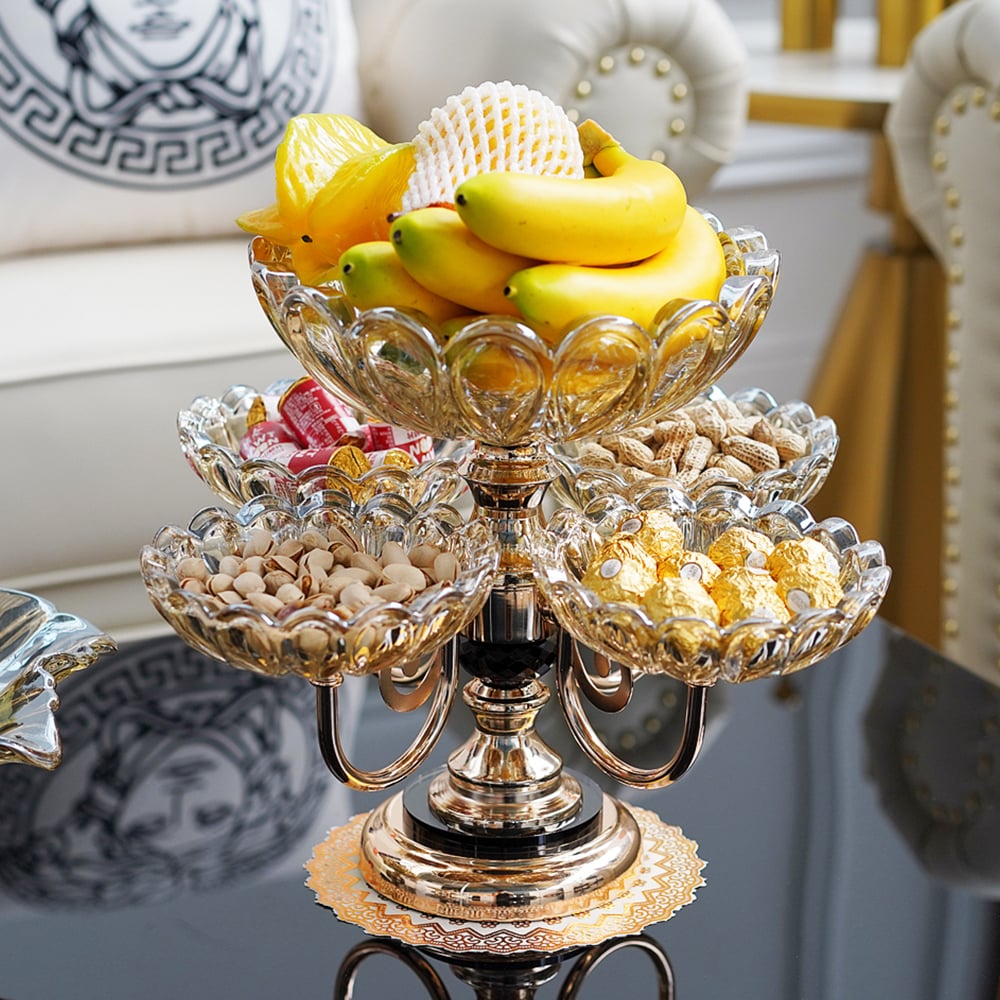
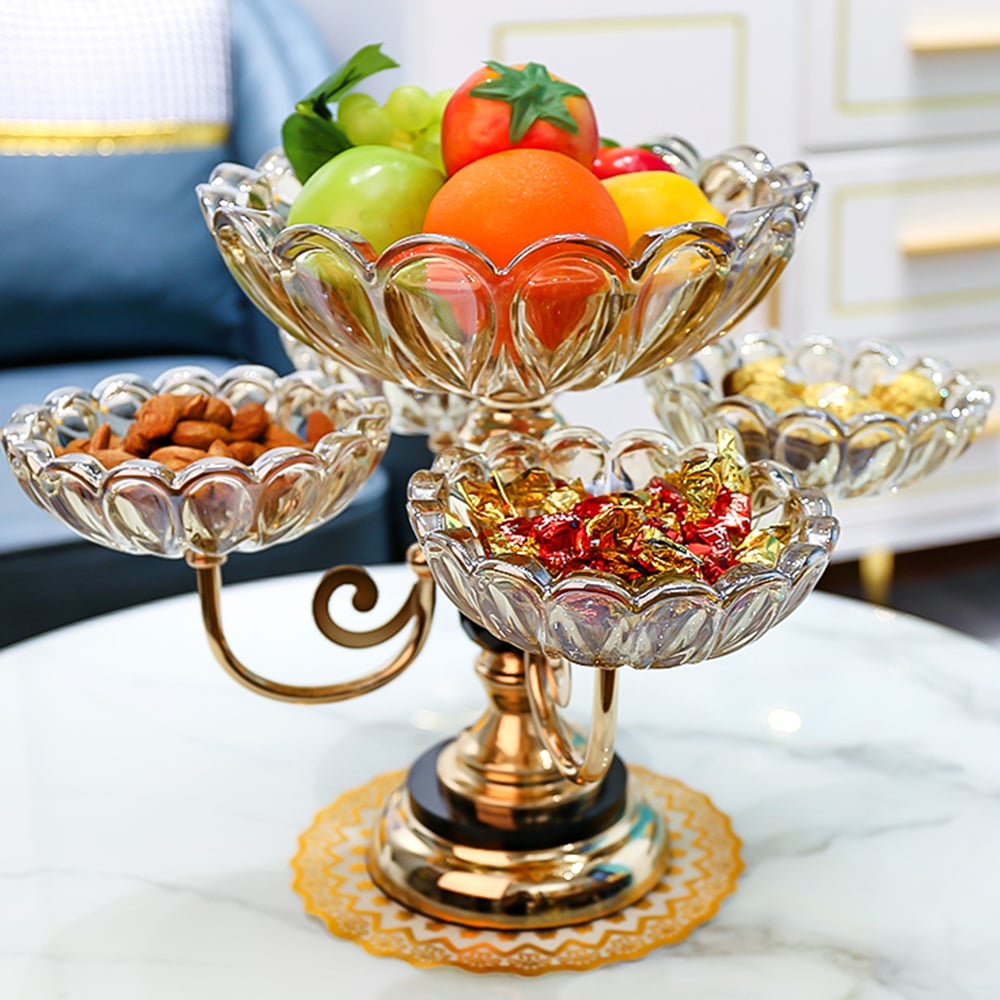
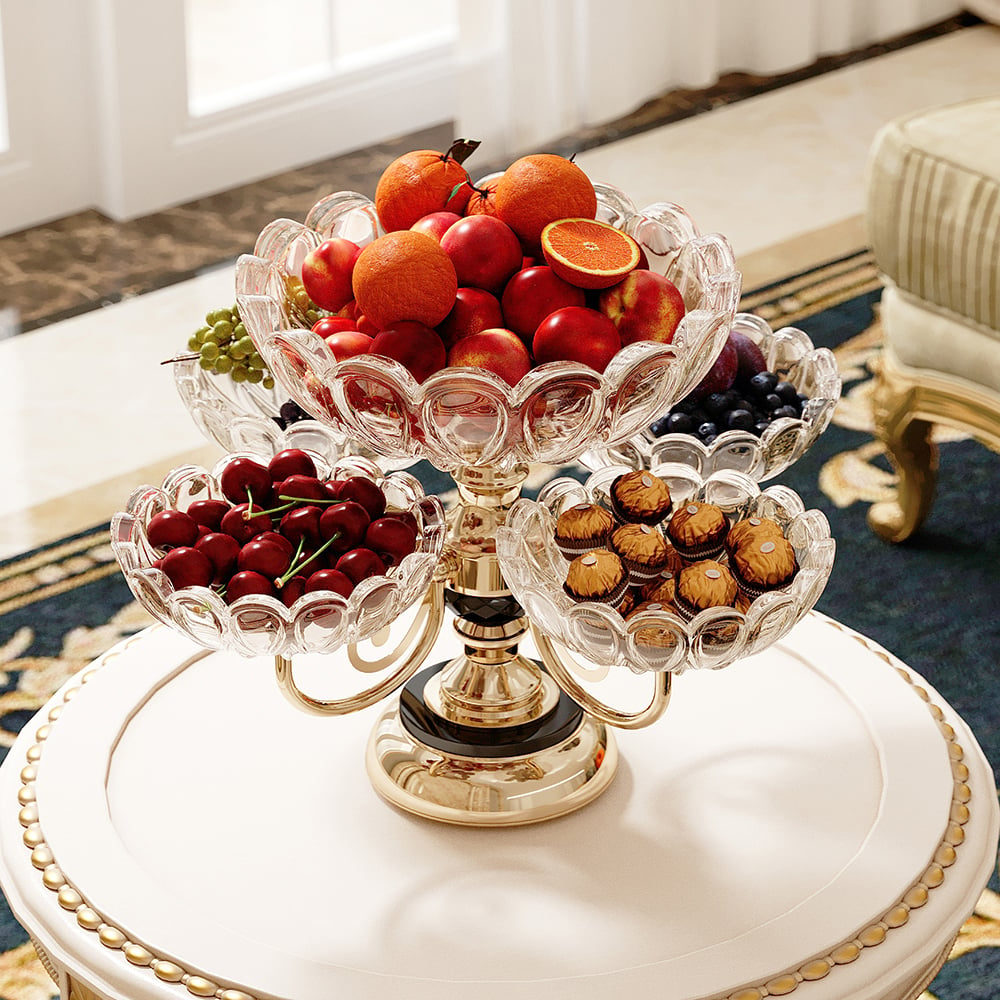
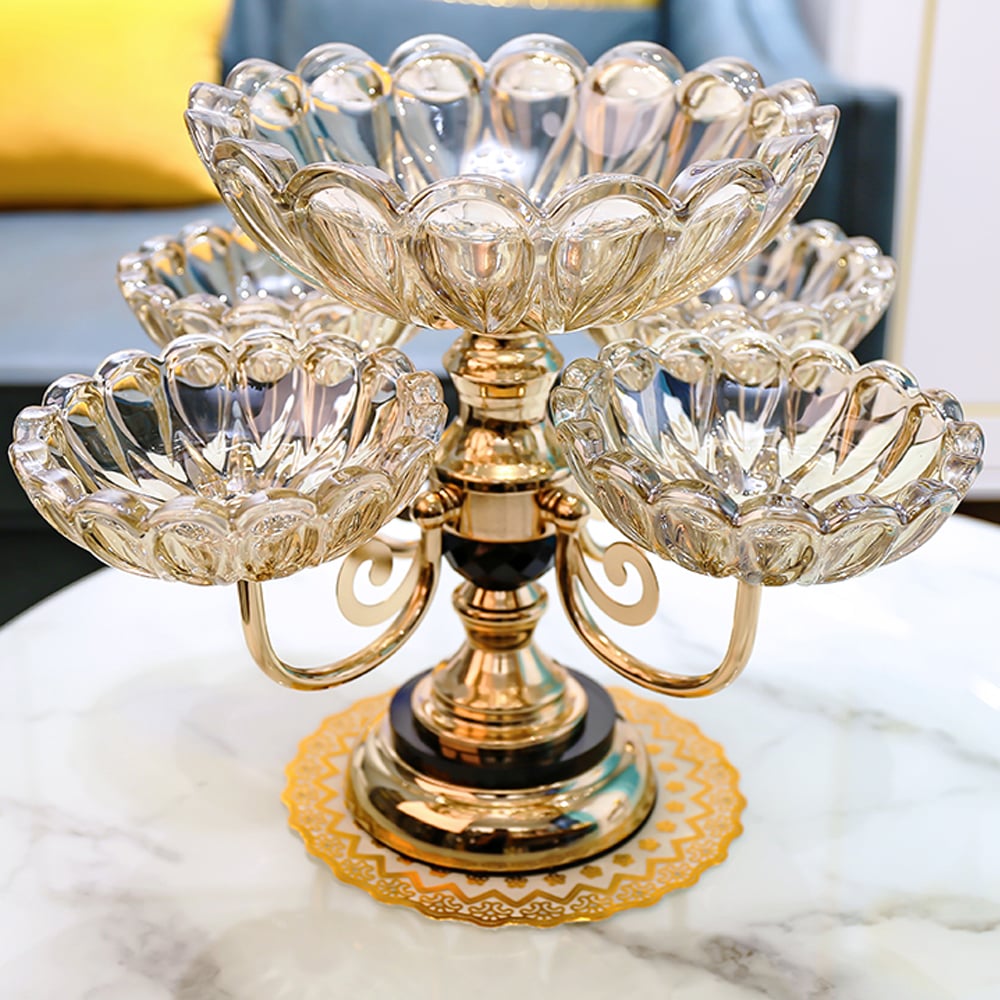
One real option worth knowing about: Homary sells a Rotatable Glass Fruit Basket Multilayer Decor Bowl, a three-tier glass bowl on a metal base that spins 360 degrees, priced at $129.99 with a 4.9-star rating from 43 reviews. It’s a rose gold and glass piece, so it leans more modern than rustic, but the rotating, multi-tier format is exactly the kind of low-effort, easy-access centerpiece that fits a daily-use table. If your farmhouse table leans more mixed-metal or eclectic, it’s worth a look. If you want something more rustic, a plain turned-wood bowl or a galvanized metal basket will read more farmhouse and cost less.
Mix casual dishware instead of matching sets
A full matching china set signals “special occasion” even when you didn’t mean it to. Everyday farmhouse tables usually mix two or three things on purpose:
- Stoneware or earthenware plates in one or two neutral glazes (white, cream, or a soft gray).
- A different but complementary set of bowls or salad plates, often thrifted or vintage-look, layered on top for texture.
- Simple glassware, nothing stemmed or fragile, so kids and daily use don’t turn it into a liability.
The trick is limiting your palette. Two or three tones (white, cream, wood) mixed across pieces reads as “curated.” Five or six competing colors and patterns reads as “mismatched.” Stick to a narrow color range and the mixing looks deliberate even when half the pieces came from different sets.
Use cloth napkins, but keep them boring on purpose
Cloth napkins upgrade a table more than almost anything else on this list, and they cost less than most centerpieces. For everyday use, skip printed or seasonal napkins and stick to solid neutrals: oatmeal, white, sage, or charcoal. Solid colors mix with any dish pattern and don’t compete with the runner.
Buy more than you think you need. Eight to twelve is a reasonable number for a household of four, since cloth napkins need laundering between uses and running out mid-week defeats the purpose.
Everyday setting vs. occasion tablescape
| Element | Everyday farmhouse setting | Occasion tablescape |
|---|---|---|
| Table covering | Narrow runner, wipeable fabric | Full tablecloth, often layered with a topper |
| Centerpiece | Low, single item, moves in seconds | Multi-piece arrangement, often floral |
| Dishware | Mixed stoneware, 2 to 3 tones | Matching formal set or curated vintage china |
| Napkins | Solid neutral cloth | Patterned, seasonal, or tied with accents |
| Setup time | Under 5 minutes | 30 minutes or more |
| Reset frequency | Multiple times daily | Once per event |
| Goal | Function first, style second | Style is the point |
Keeping it reset-ready, meal after meal
The habit that makes this whole approach work is simple: before every meal, clear the centerpiece and runner to one end or off the table entirely, then put them back after. It takes fifteen seconds and it’s the difference between a table that looks staged once and one that looks good every day.
If a piece of your setup doesn’t survive that fifteen-second test, it’s not an everyday piece. Save it for the next holiday.
Key takeaways
- A runner, not a full tablecloth, keeps the table both styled and functional for daily meals.
- One small, low centerpiece that you can move in one hand beats an elaborate arrangement you’re afraid to touch.
- Mixing two or three neutral tones across stoneware, glassware, and napkins reads as curated, not mismatched.
- The whole setup should pass a fifteen-second reset test before and after every meal.
If your farmhouse dining table is due for more than a runner and a fruit bowl, the rest of the room matters too. A few small styling changes can round out the look without turning your everyday table into a display piece.
FAQ
What is the easiest way to decorate a farmhouse table for everyday use? Start with a narrow table runner and one small centerpiece, like a bowl of fruit or a short candle. Keep dishware to two or three neutral tones so it looks coordinated without matching exactly. This setup takes a few minutes and doesn’t need to be removed for regular meals.
Do I need a tablecloth for a farmhouse dining table? No, a table runner is a better fit for daily use since it shows off the wood grain and is easier to move for meals. Save a full tablecloth for holidays or dinner parties where the table itself isn’t the focal point.
What size table runner should I use for everyday styling? A runner between 12 and 16 inches wide fits most dining tables without covering too much surface. Add 6 to 12 inches of overhang on each end for a relaxed look, or keep it tighter for a more modern feel.
What’s a good low-maintenance centerpiece for a kitchen table? A shallow wood or ceramic bowl of fruit is one of the easiest options since the fruit naturally rotates as it’s eaten and replaced. A single candle or a small pot of faux greenery also works well and requires almost no upkeep.
Should farmhouse dishware match? Not exactly. Everyday farmhouse tables usually mix two or three complementary pieces, like plain stoneware plates with a vintage-look bowl or salad plate, kept within a narrow color range so the mix looks intentional.
What color napkins work best for everyday use? Solid neutral tones like white, oatmeal, sage, or charcoal work with almost any dish pattern and don’t compete with a table runner. Save printed or seasonal napkins for occasions where the table is the main event.
How is an everyday table setting different from a holiday tablescape? An everyday setting is built to be reset in under five minutes, multiple times a day, and prioritizes function. A holiday tablescape is a display meant to last a few hours and prioritizes visual impact over daily use.
How often should I change my table centerpiece? Rotating a centerpiece every few weeks, swapping a candle for a fruit bowl or bringing in seasonal greenery, keeps a simple setup from looking stagnant. There’s no fixed schedule, just enough variation to notice.
Can I use real flowers on an everyday farmhouse table? Real flowers work if you don’t mind the upkeep of changing water and trimming stems every few days. If that’s more than you want to manage, a good faux stem or a bowl of fruit gives a similar visual effect with far less maintenance.
What’s the biggest mistake people make with everyday table decor? Choosing a centerpiece that’s too tall, fragile, or difficult to move for meals. If it takes real effort to clear off the table before dinner, it usually gets skipped after a week or two, defeating the purpose of styling the table at all.