Walk into a farmhouse dining room with six matching chairs and it looks like a showroom. Walk into one with a bench, two wood chairs, and a pair of armchairs at the ends, and it looks like a home someone actually built over time. The difference between those two rooms is not luck. It’s a handful of rules that keep mismatched seating from reading as mismatched furniture.
Most people who try this end up with a table that looks like it was furnished from a clearance aisle. That happens when nothing ties the pieces together. Fix that one thing and the whole mixed look clicks into place.
To mix and match farmhouse dining chairs without it looking like a mistake, repeat one element across every seat, such as the same wood tone, the same color, or the same leg shape, while varying everything else on purpose. Pair a bench on one side with chairs on the other, use different chair styles at the sides versus the ends, or work in one accent chair against a run of matching ones. The repeat is what reads as “designed.” Its absence is what reads as “leftover.”
Why Matching Sets Feel Flat (and Why Mixing Feels Risky)
A boxed set of six identical chairs is safe. It is also the reason a lot of farmhouse dining rooms look like they came shrink-wrapped from a warehouse. Nothing about the room tells you who lives there.
Mixing chairs is the fix, but it comes with a real risk. Grab a bench from one store, two chairs from a yard sale, and a pair of armchairs from somewhere else, and you can end up with a table that looks like it’s still waiting for its real chairs to arrive.
The gap between “curated” and “accidental” almost always comes down to repetition. Curated mixes repeat something. Accidental mixes don’t repeat anything at all.
The Four Ways to Mix Chairs on Purpose
1. Bench on One Side, Chairs on the Other
This is the easiest mix to pull off because it has a built-in reason to exist. Benches are common on the wall side of a farmhouse table (they save floor space and let kids scoot in easily), while chairs go on the open side for pulling out a seat without a fight.
Keep the bench and the chairs in the same wood tone or finish. A honey-oak bench with black metal-leg chairs across from it looks like two different purchases. A honey-oak bench with honey-oak chairs, even if the chair backs are a different shape, looks like it was planned that way, because it was.
2. Two Chair Styles: Wood at the Sides, Upholstered at the Ends
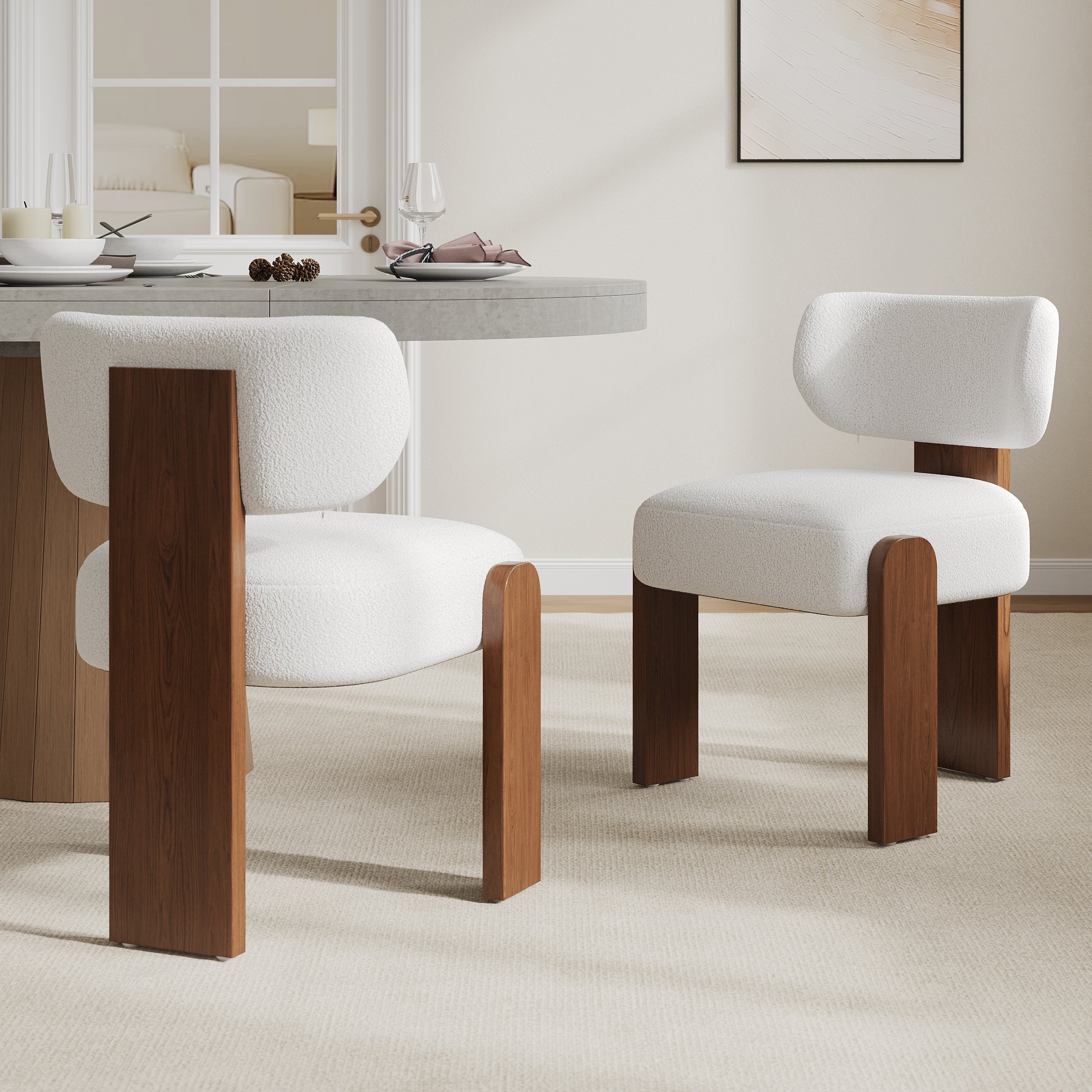
This is the classic “head chair” move, and it works because it mirrors how the room actually gets used. Side chairs get pulled in and out constantly, so simple wood chairs (or stools) that are light and easy to move make sense there. End chairs (the two at the head and foot of the table) get used a little differently, often held longer during meals, so a slightly more comfortable captain’s chair with arms and upholstery earns its spot there.
The trick is scale. If the wood side chairs are low-profile and simple, an oversized wingback at the ends will look like it wandered in from another room. Look for end chairs that share a similar seat height and overall footprint with the sides, even if the materials differ.
3. Color and Finish Mixed on Purpose
An all-white chair set with one black chair thrown in is one of the most reliable ways to do this. It signals confidence instead of “we ran out of the matching one.” The trick is committing to it: one clearly different chair, not two mismatched attempts that compete with each other.
Natural wood mixed with painted chairs works the same way. Keep the paint or stain choices limited to one or two colors total across the table, not four different finishes fighting for attention.
4. Mixed Materials (Wood, Metal, Woven, Upholstered)
Wood chairs, a metal-frame chair, and a woven or rattan seat can all sit at the same table if there’s enough shared DNA between them. A wood chair and a wood-framed rattan chair (like a walnut frame with a rattan seat) already share a material, so adding a third finish just needs to reference that wood tone somewhere, even if it’s only in the legs.
The Real Test: Curated vs. Leftovers
| Signal | Reads as Curated | Reads as Leftovers |
|---|---|---|
| Wood tone | One tone repeats across all chairs, even different styles | Every chair is a different shade of brown |
| Seat height | All chairs sit within about an inch of each other | Heights vary enough that elbows and knees don’t line up |
| Color count | One or two colors total, used more than once | Three or more colors, each appearing only once |
| Chair count per style | Chairs come in pairs or matched groups (2 and 2, or 4 and 2) | Every single chair is a one-off |
| The story | You can point to a reason (bench for the wall, arms for the ends) | There’s no reason, it’s just whatever was on hand |
If your dining set fails three or more rows in that “leftovers” column, that’s usually the tell that something needs to repeat before it will read as intentional.
A Simple Way to Build a Mixed Set
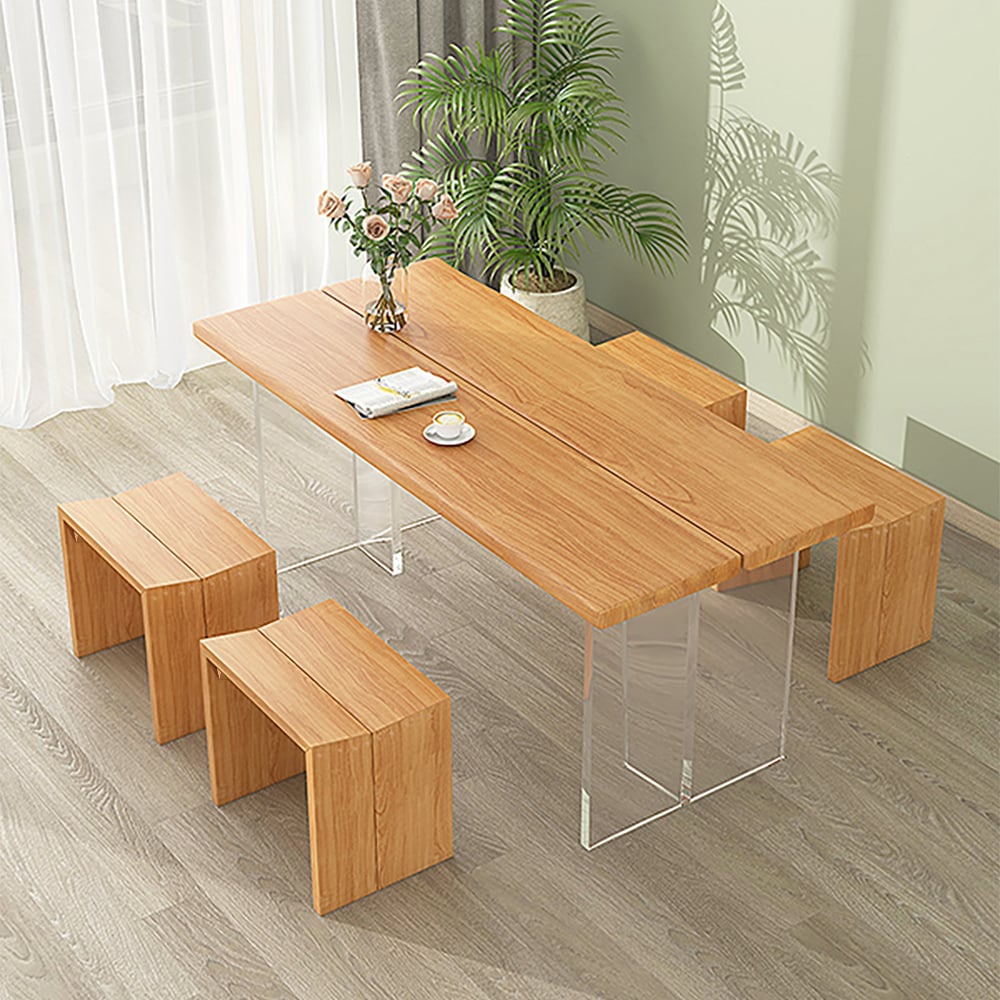
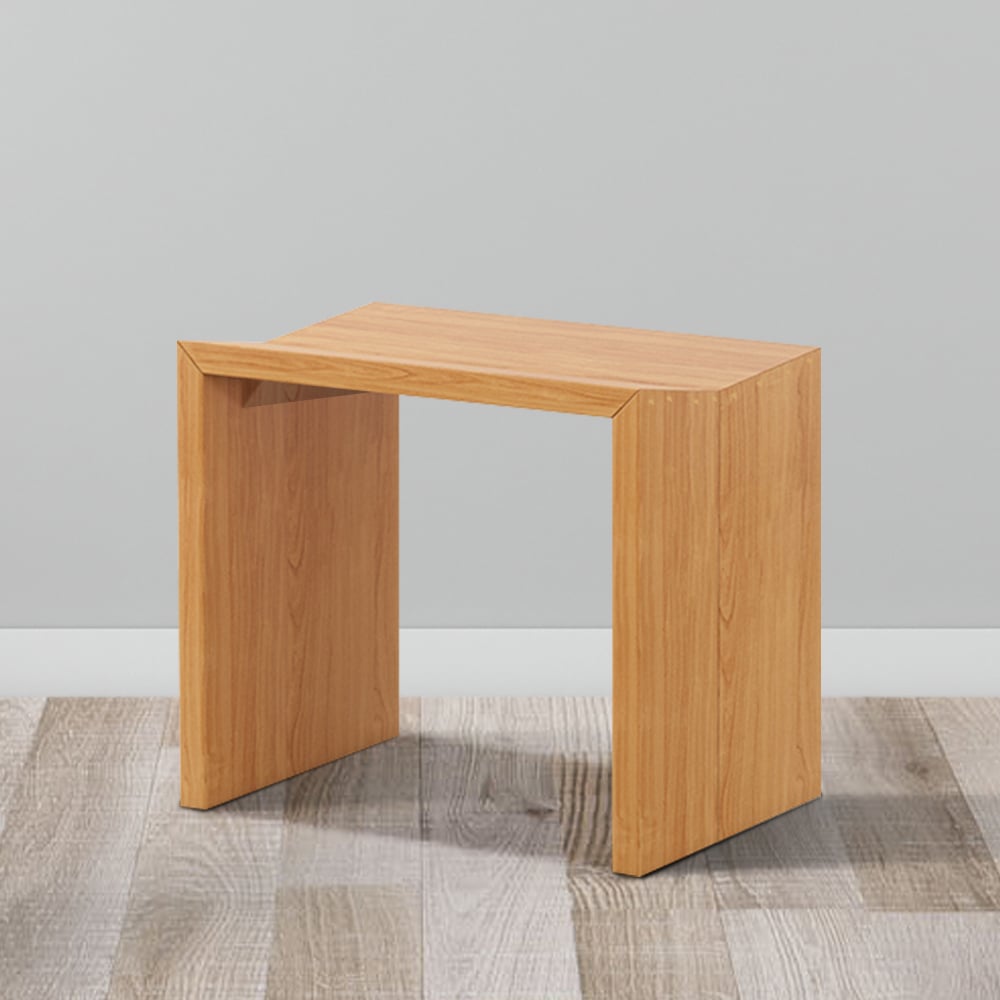
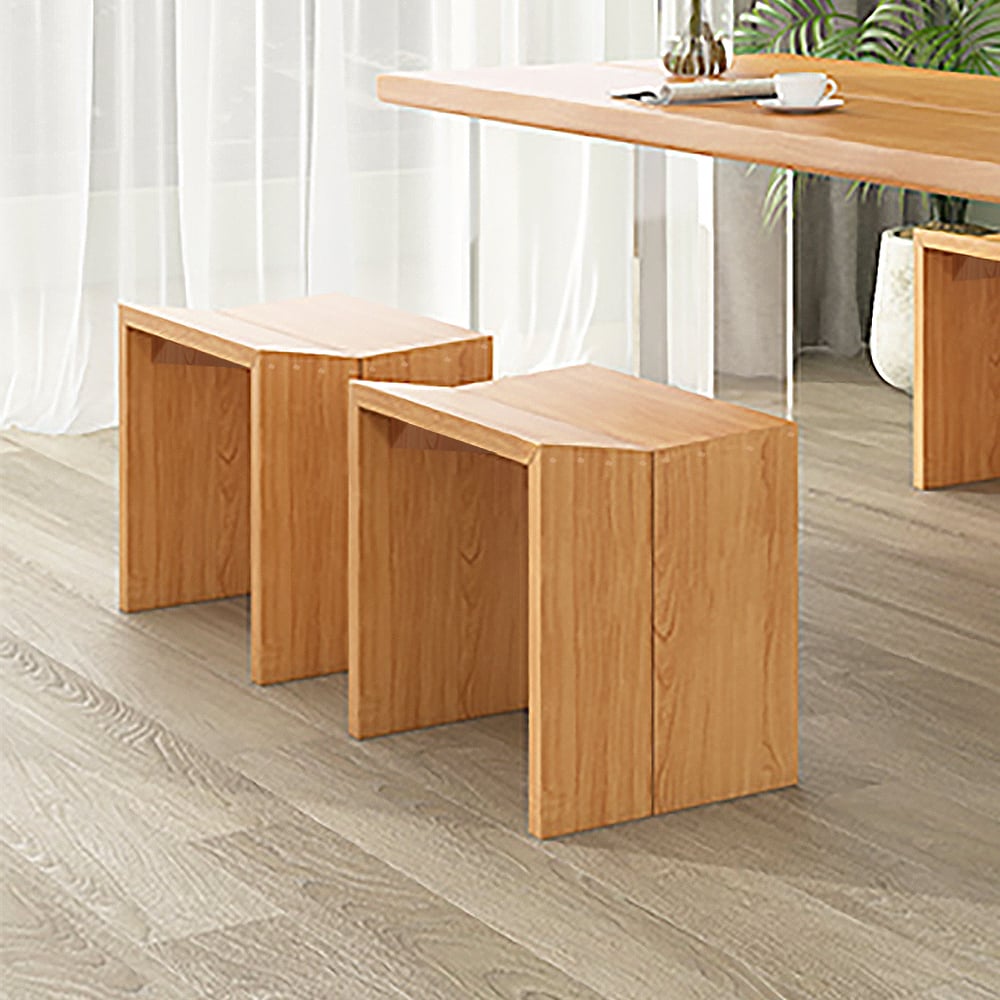
Start with the piece you already own or want most, then build outward from its wood tone or finish. Homary’s Farmhouse Modern Backless Dining Chair Wood Dining Stool in Natural (set of 2, $239.99) is a good example of a low, simple side seat. It’s light enough to tuck under the table and reads as a stool as easily as a chair, which makes it a natural stand-in for a bench look on tighter budgets.
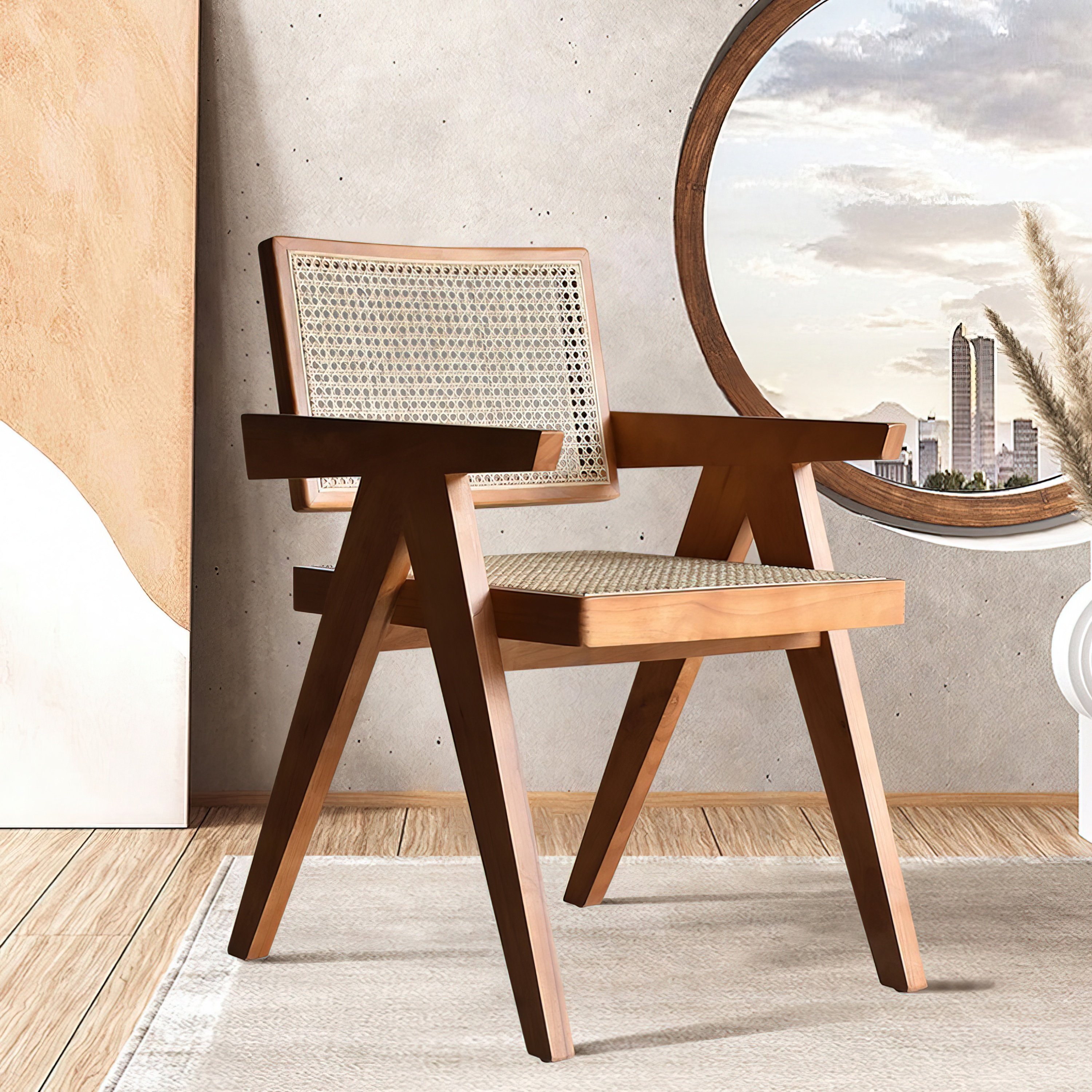
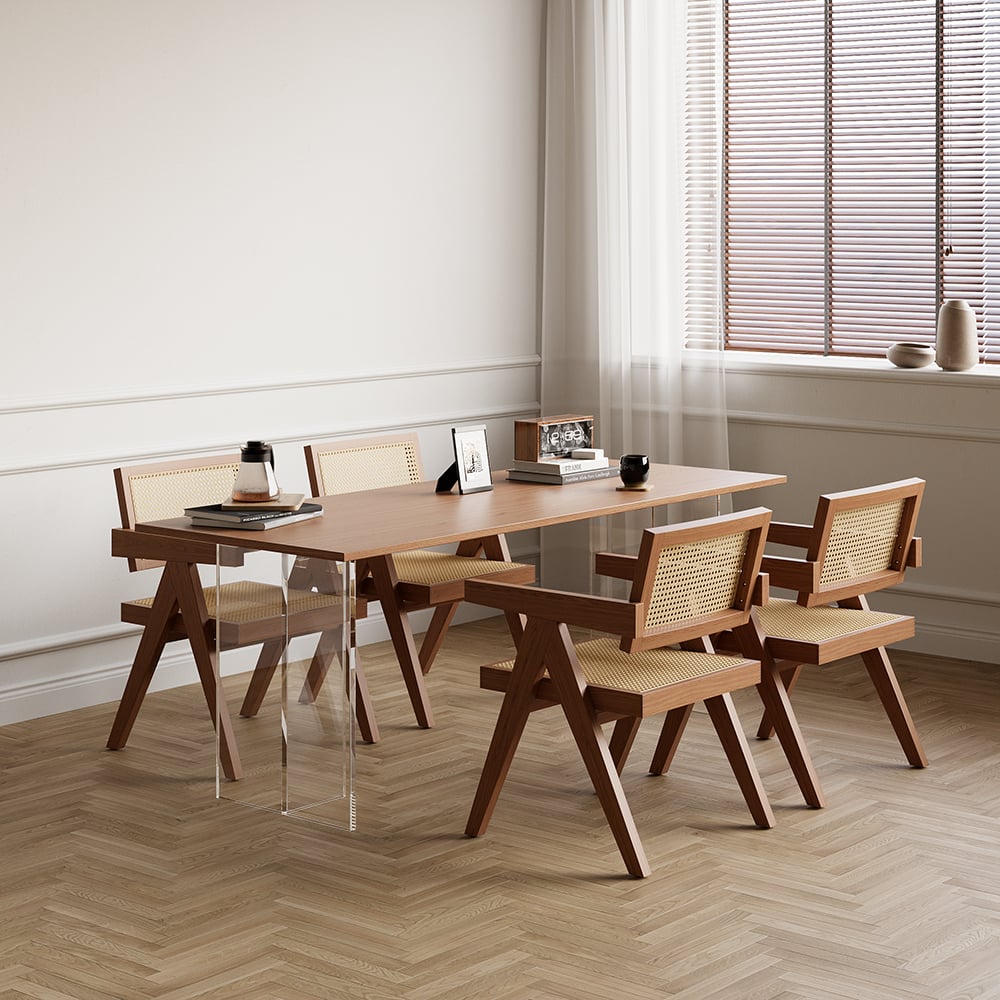
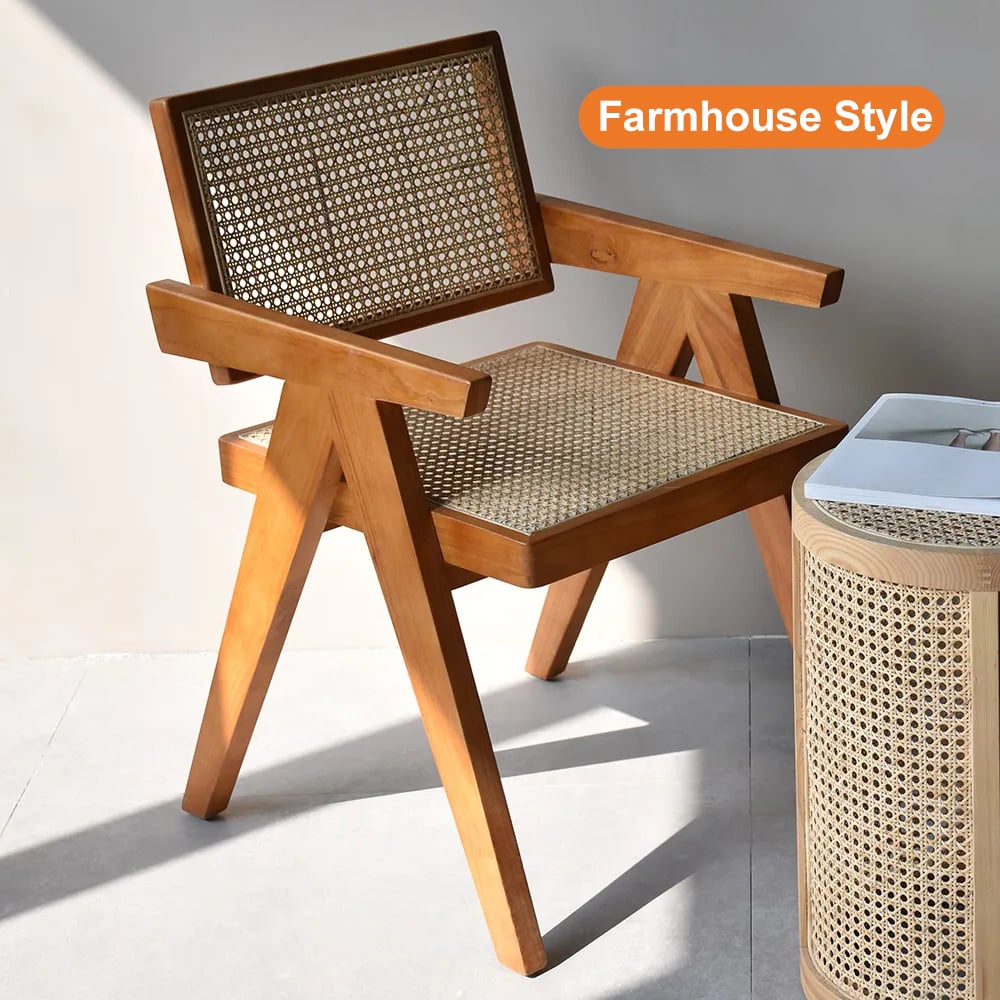
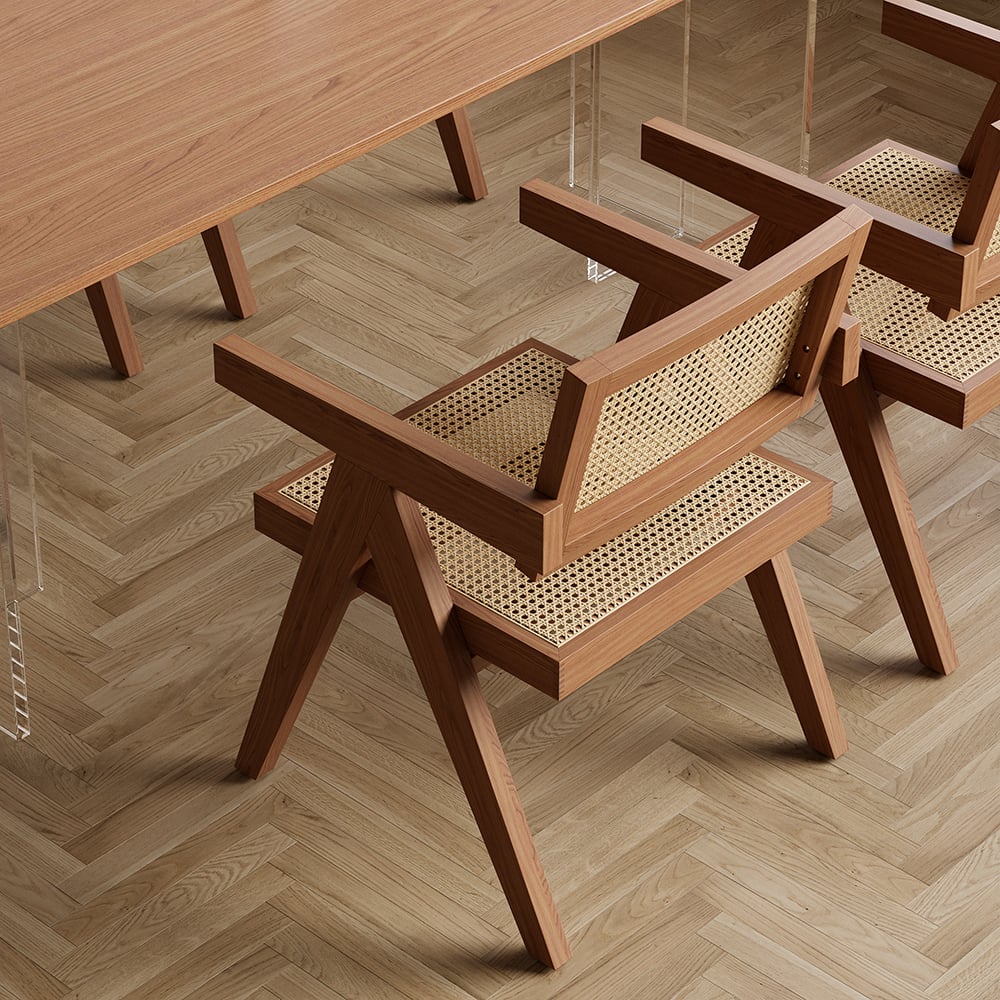
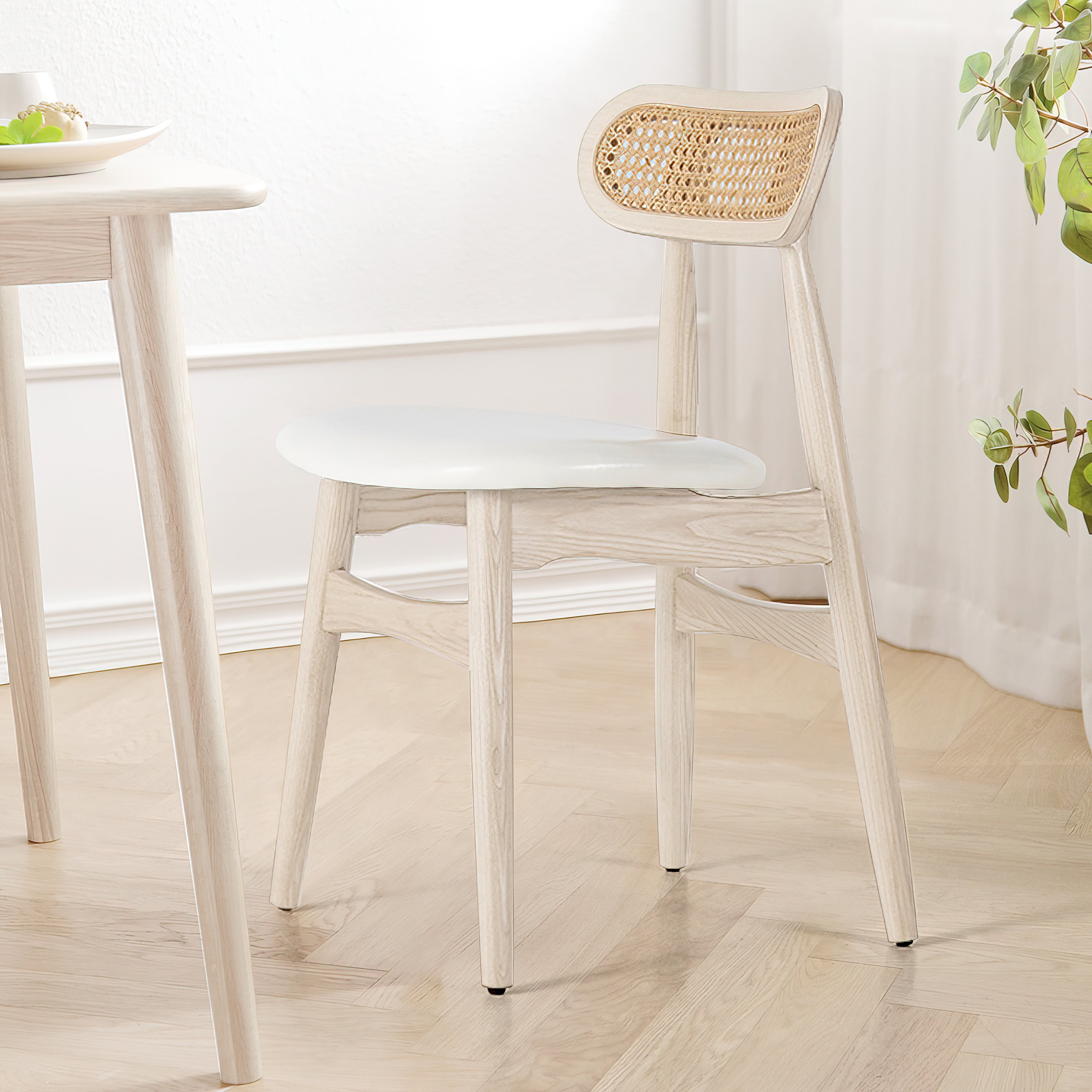
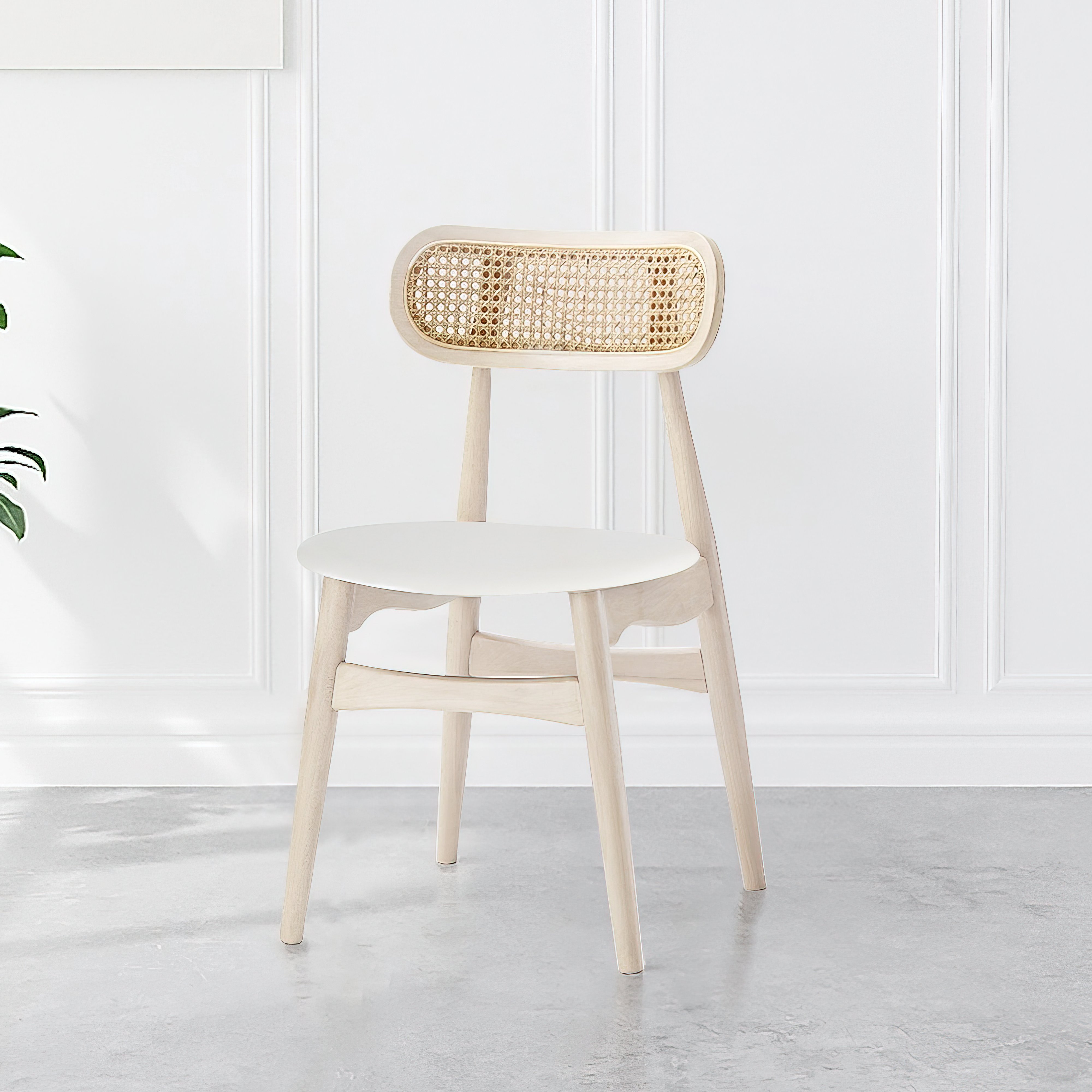
Pair that natural wood tone with the Archic Walnut Wood Dining Chair with Armrest ($249.99) at the two ends of the table. It shares the same warm wood family as the backless stools, but adds arms, a solid back, and a woven rattan seat, giving the ends of the table a bit more presence without breaking the wood-tone thread that ties the whole set together. That shared wood tone is the repeat. The backless shape versus the armed, rattan-seat shape is the contrast. That combination is exactly the “one repeat, rest varied” formula that makes mixing look planned.
Common Mistakes That Break the Look
A few things will undo a mixed set faster than anything else:
- Too many finishes. Three wood tones plus a painted chair plus a metal chair is a lot of information for one table. Cap it at two or three total finishes.
- Uneven seat heights. If one chair sits noticeably higher or lower than the rest, everyone notices at dinner, not just visually.
- No repeated shape. Round backs next to slat backs next to ladder backs next to upholstered wingbacks, with nothing shared between any of them, reads as random even if every individual chair is nice.
- Odd numbers everywhere. A run of one, one, one, one around the table looks unplanned. Pairs or small matched groups (two of one style, two of another) look considered.
Key Takeaways
- Mixing farmhouse dining chairs works when one thing repeats (wood tone, color, or shape) while everything else is allowed to vary.
- A bench on one side with chairs on the other is the easiest mix to start with, since it already has a practical reason to exist.
- Save upholstered or armed chairs for the ends of the table and simpler wood or stool-style seats for the sides.
- Keep finishes to two or three total, keep seat heights close, and group chairs in pairs rather than one-offs, and the “leftover furniture” look mostly takes care of itself.
If you’re staring at a table right now trying to decide whether your chairs clash or complement, start with the wood tone test. Line them up and check if at least one material or color shows up twice. That’s usually all it takes to tell the difference.
FAQ
Is it OK to have mismatched dining chairs? Yes, mismatched dining chairs are a common and accepted style choice, not a design mistake. The key is making sure something ties them together, like a shared wood tone, color, or seat height, so the mix looks planned rather than random.
How many different chair styles can you mix at one table? Two or three styles usually works best for a farmhouse table. Beyond that, the eye has trouble finding the pattern that ties everything together, and the table starts to look cluttered instead of curated.
Should dining chairs match the table? They don’t have to match exactly, but they should relate to it. A rustic wood table generally pairs well with chairs that share at least one wood tone or a similar level of formality, even if the shapes are different.
Can you use a bench with dining chairs? Yes, pairing a bench with chairs is one of the most common farmhouse seating combinations. Benches typically go against the wall side of the table for space efficiency, while chairs go on the open side for easy access.
What chairs go with a farmhouse table? Simple wood chairs, ladder-back chairs, woven or rattan seats, and a bench are all common farmhouse pairings. Upholstered captain’s chairs at the ends are a popular way to add a bit more comfort without losing the farmhouse feel.
How do you keep mismatched chairs from looking cheap? Keep the wood tones or finishes limited to two or three total, keep seat heights within about an inch of each other, and group similar chairs in pairs rather than scattering one-off styles around the table.
Do all dining chairs need to be the same height? Not exactly the same, but close. A difference of more than an inch or two in seat height can make the table look uneven and can genuinely make some seats less comfortable than others.
What’s the difference between eclectic and mismatched dining chairs? Eclectic mixing is intentional and usually built around a repeated element, like color or material. Mismatched, in the negative sense, describes chairs with nothing in common, which is what makes a set look unplanned.
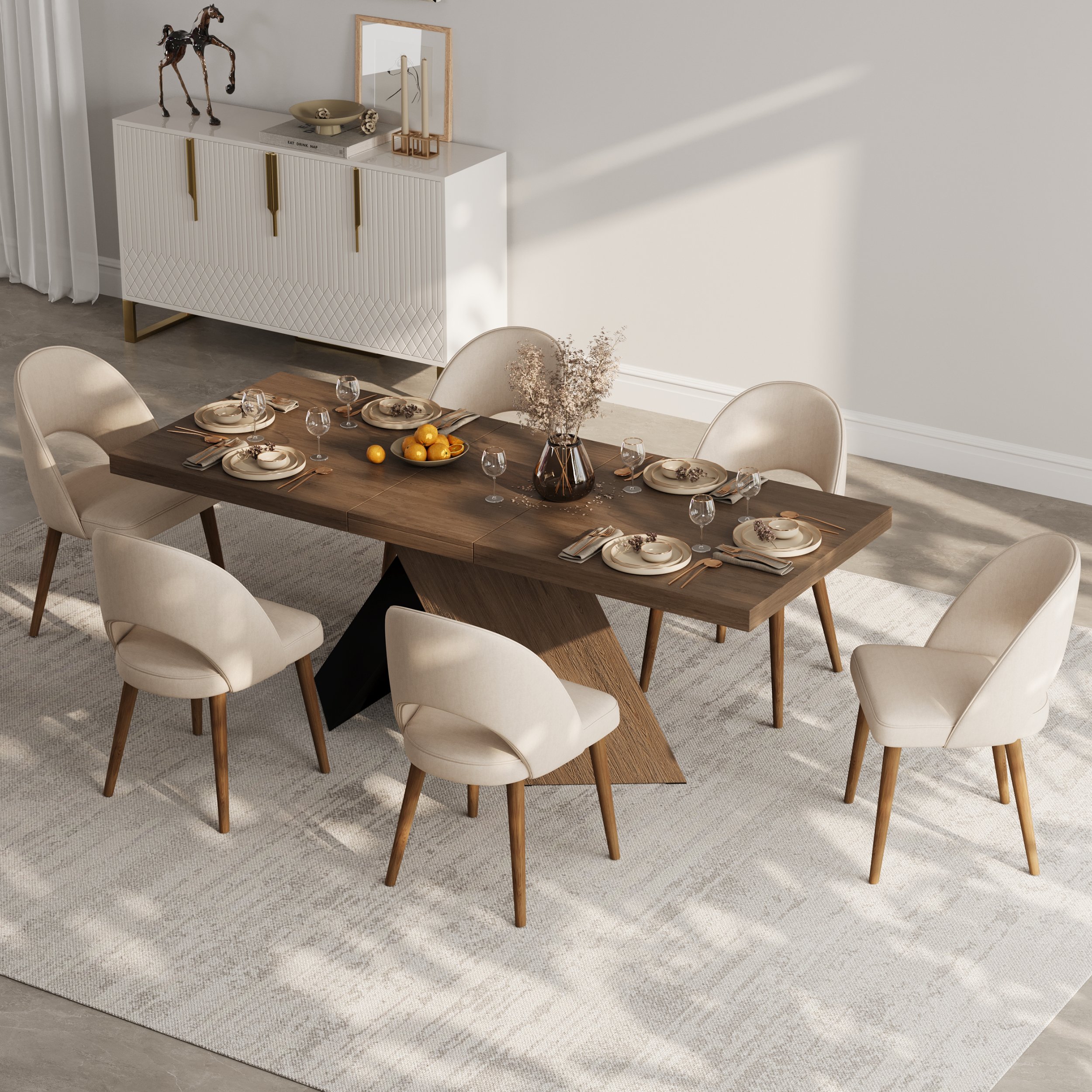
Can you mix wood and upholstered chairs at the same table? Yes, this is one of the most popular farmhouse combinations, often with wood chairs at the sides and upholstered chairs at the ends. Keeping the leg style or wood tone similar between the two helps them feel connected.
Is it cheaper to mix dining chairs instead of buying a full matching set? It can be, since you can often reuse existing chairs or buy fewer of a pricier upholstered style while filling out the rest of the table with simpler, less expensive chairs or a bench. Buying two accent chairs instead of six matching upholstered ones is usually the bigger cost saver.